Tag: NES

  • Ultra-Rare Punch-Out ROM with Missing Fighters & Major Differences from NES Version

    Ultra-Rare Punch-Out ROM with Missing Fighters & Major Differences from NES Version

    Key Takeaway

    1. An extremely rare early prototype of Nintendo’s Mike Tyson’s Punch-Out!! has emerged, featuring unique differences from the retail version, including game content and cartridge makeup.
    2. The prototype employs stamped mask ROMs, unlike typical prototypes that use rewritable EPROM chips, raising questions about its purpose and authenticity.
    3. There are notable gameplay differences, such as arcade fighters appearing in the intro and the presence of two mysterious, unreleased fighters, Rockyhead and Mongol Khan.

    Rare Find of Nintendo’s 1987 Prototype

    An incredibly rare early version of Nintendo’s famous Mike Tyson’s Punch-Out!! from 1987 just surfaced on the internet, and it is a totally functioning game but without sound. This pre-release version of the game has been dumped online for public to explore and enjoy, offering some notable differences from the final retail edition of the NES game.

    Insight from the Video Game History Foundation

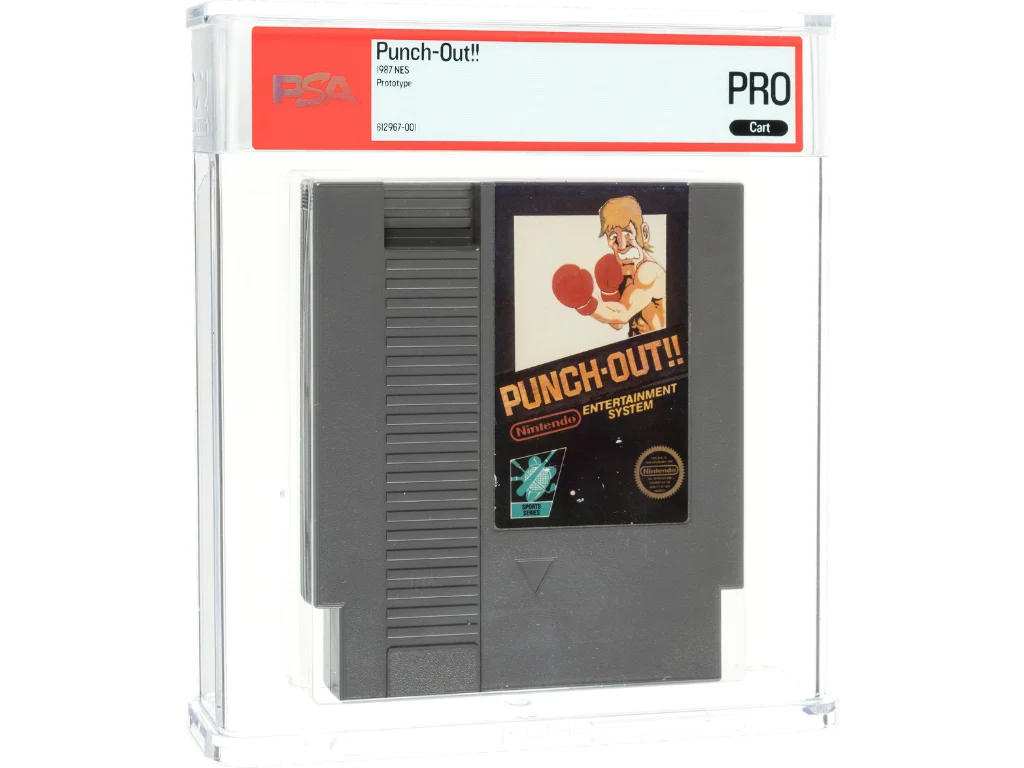
    The VGHF recently examined the prototype cartridge in a detailed video. Frank Cifaldi, the founder and head of VGHF, has dedicated nearly thirty years to studying NES prototypes and was quite astonished. He said, “I’ve never seen anything like this,” after inspecting the cartridge’s internals. The prototype sports a sticker with a fake label matching Nintendo of America’s early NES packaging aesthetics from the mid-’80s.

    Unique Storage and Design Aspects

    The game data resides on stamped mask ROMs, which are permanent chips typically found in retail cartridges and marked with manufacturing dates. Usually, early prototypes used rewritable EPROMs, making this example unusual. Though Cifaldi mentioned these ROMs might be mock-ups, he was puzzled as to why a development version of Punch-Out!! would be assembled with these components.

    Major Differences in Game Content

    Unlike most NES prototypes that closely resemble final versions, this build shows significant early differences. The intro credits show fighters from the 1984 arcade Punch-Out!!, like Piston Hurricane and Pizza Pasta—characters replaced or removed in the retail version. Piston Hurricane was renamed Piston Honda, and Pizza Pasta was cut out from the North American version. Soda Popinski appears under his arcade name Vodka Drunkenski, likely a change for marketing purposes.

    Unseen Characters and Hidden Content

    Two mysterious fighters called Rockyhead and Mongol Khan appear in the game, but they’ve never been seen in any official release of Punch-Out!!. The playable roster in the prototype is limited to four opponents: Glass Joe, Bald Bull, King Hippo, and Don Flamenco. Other fighters like Von Kaiser and Great Tiger are present only in the game’s code and can be revealed via debugging, but they are not accessible to fight.

    The Cartridge’s Journey and Public Release

    This rare prototype console cartridge has an interesting history; it was found at a garage sale by a former Nintendo of America employee. It later received PSA certification and was auctioned by Heritage Auctions for $45,000. Many believed the game was kept hidden in private collections, but the lucky purchaser chose to upload the ROM online, allowing the Video Game History Foundation to analyze it thoroughly.

    Sources
  • Mega Cat Studios Launches Retro NES/SNES Cartridges for 2026

    Mega Cat Studios Launches Retro NES/SNES Cartridges for 2026

    Key Takeaways

    1. Mega Cat Studios is launching three new games for NES and SNES: Super Fanger, Plyuk, and Old Towers, on January 29, 2026.
    2. The games will be available as physical cartridges and for digital download, catering to retro gamers and emulation.
    3. Super Fanger features a spooky tag gameplay for two players, including solo and competitive modes.
    4. Plyuk is a puzzle-platforming game where players solve puzzles using cloning techniques to navigate an underground lab.
    5. Old Towers is an action-puzzle game with 40 levels, where players switch characters to solve puzzles and collect coins in a cursed tower.


    Retro video game publisher Mega Cat Studios has started 2026 with an exciting “triple launch” of new games designed for the NES and SNES systems. The company is set to debut physical cartridges for Super Fanger for the SNES, Plyuk for the NES, and Old Towers for the NES on January 29, which will be available through its online store.

    Homebrew Community Innovation

    The homebrew scene is buzzing with activity, as developers create new games for those vintage home consoles. Mega Cat Studios has a strong reputation for making and releasing games for platforms like the NES, SNES, and Sega Genesis.

    Game Availability

    Super Fanger, Plyuk, and Old Towers will also be offered for digital download, with plans to release physical cartridges at a later date. This allows retro gamers to revive their old consoles or enjoy these new 8-bit and 16-bit games on an emulator.

    Gameplay Features

    Super Fanger for the SNES puts a spooky spin on traditional tag games. It’s made for two players who can explore four distinct maps, each with its own hidden treasures. The main gameplay consists of either chasing or escaping from “whoever’s it.”

    This pixelated tag game includes a solo Arcade Mode and a competitive Versus mode, perfect for both single-player sessions and fun with friends on the couch.

    Puzzle-Platforming Adventure

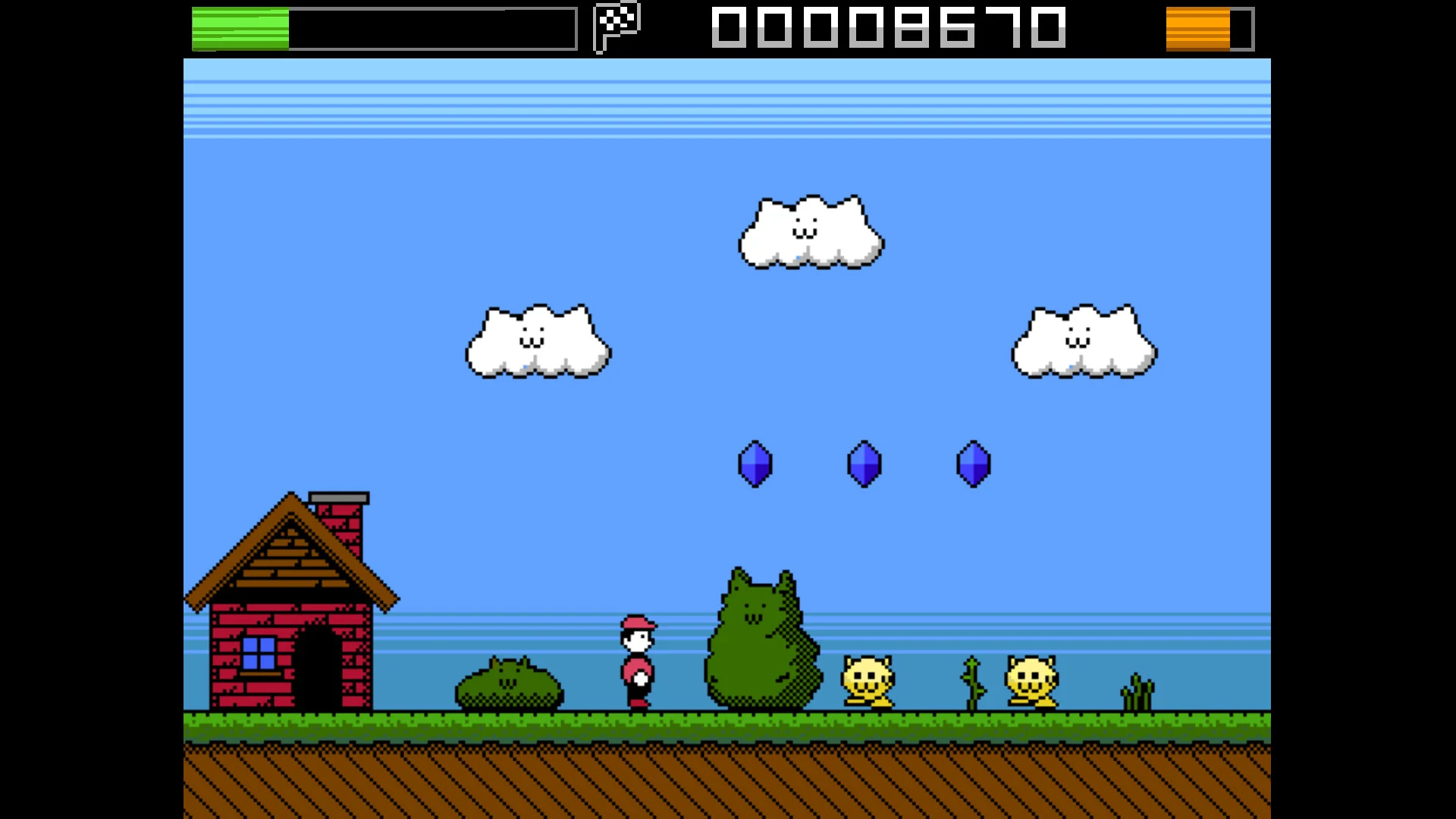
    Shifting to the NES, Plyuk is a thoughtful puzzle-platforming game. The plot follows Plyuk, who is trapped in a dangerous underground lab. Players need to master cloning techniques to create stacks or blocks that help them reach higher places and solve tricky puzzles.

    Originally released on Itch.io last year, this NES version enhances the experience for Nintendo’s classic 8-bit console.

    Action-Puzzle Challenge

    Lastly, the collection features Old Towers, an action-puzzle NES game where players race through a cursed tower filled with 40 challenging levels. Players will switch characters to tackle “brain-boggling” puzzles and collect coins while moving both vertically and horizontally through the stages.

    Old Towers first appeared as a ZX Spectrum game back in 2018, created by developer Retrosouls. This homebrew title has seen multiple ports to different platforms and had a digital launch on NES/Famicom via itch.io last year. Now, in 2026, Mega Cat is getting ready to launch Old Towers as a physical NES cartridge.

    Source:
    Link


  • Bit of War: Free 8-Bit Platformer Revives Kratos’ Greek Saga

    Bit of War: Free 8-Bit Platformer Revives Kratos’ Greek Saga

    Key Takeaways

    1. Fan Tribute: Bit of War is a fan-made 8-bit demake of God of War, created by Holmade Games as a tribute to the original 2005 PS2 title.

    2. Unique Storyline: The game features a new narrative inspired by interviews with series creator David Jaffe, offering an alternate ending for Kratos while maintaining his vengeful spirit.

    3. Nostalgic Design: The retro 8-bit style and simpler gameplay distinguish Bit of War from the main series, with clipart backgrounds and precise controls.

    4. Gameplay Enhancements: While featuring generic enemy designs, the game introduces unique elements like Euryale, who can turn enemies into stone and create wind blasts.

    5. Popularity: Over 39,000 players have downloaded Bit of War, which is available for free on IndieDB and Itch.io, making it a popular choice for fans of retro gaming and the God of War series.


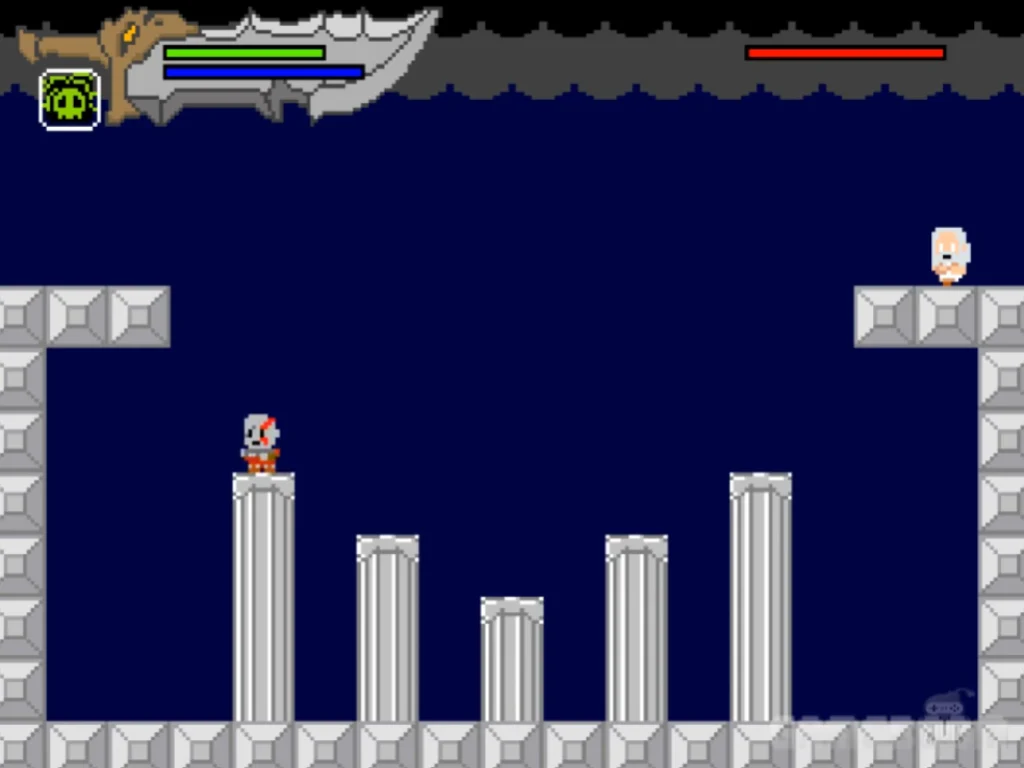
    God of War has received a nostalgic twist with a pixelated version of Kratos climbing Olympus in a retro 8-bit demake that has recently reemerged. This fan-made game, titled Bit of War, was released for free in 2012 and reimagines the iconic 2005 PS2 title, transforming the Greek mythology adventure into a side-scrolling platformer that feels perfectly suited for the NES.

    A Tribute to the Original

    Bit of War was created by Holmade Games as a tribute to the classic game. The developers managed to condense the grand cinematic battles and intense hack-and-slash action of God of War into smaller, more manageable levels.

    Players control a miniature version of Kratos, whose appearance is reminiscent of the playful caveman from Bonk’s Adventure. Bit of War seems to draw influence from beloved retro titles like The Cyber Shinobi and Alex Kidd, giving it a charmingly nostalgic feel.

    A Unique Storyline

    What’s interesting about Bit of War is its deviation from the original God of War plot. Instead, it crafts a new narrative based on past interviews with David Jaffe, the series creator, creating an alternate ending for Kratos.

    The game maintains Kratos’s vengeful spirit, though it skips the graphic violence due to the limitations of the 8-bit format. The makers of Bit of War have noted that this is a non-profit fan project, and they received permission from Sony to feature Kratos. They describe it on Itch.io as, “An 8-Bit demake of God of War, this game is a love letter to both the series itself as well as old school gaming in general.”

    Nostalgia Meets Simplicity

    With its retro 8-bit style, Bit of War distinguishes itself from the more extravagant gameplay and cinematic elements found in the main series. It features simpler clipart backgrounds and more precise controls for blocking and jumping.

    However, the enemy designs are quite generic, including mummies, soldiers, archers, and berserkers. Nevertheless, the game introduces a few enhancements, such as Euryale, who can turn foes into stone and unleash wind blasts.

    Over 39,000 players have already downloaded Bit of War from IndieDB, and it is also obtainable on Itch.io. Overall, Bit of War serves as a delightful retro demake to explore after finishing the main series and the latest installment, God of War Ragnarok.

    Source:
    Link


  • ZSNES Lead Programmer Surprised by Emulator’s Popularity

    ZSNES Lead Programmer Surprised by Emulator’s Popularity

    Key Takeaways

    1. Emulators like Nesticles and ZSNES allowed PC users in the 90s to play classic games, with ZSNES standing out for its speed and efficiency.
    2. ZSKnight, the creator of ZSNES, began programming in assembly language at 16, aiming to improve the performance of existing emulators.
    3. ZSNES became one of the most popular emulators despite ZSKnight initially having low expectations for its success.
    4. ZSKnight received positive feedback from users and gained recognition in the gaming industry, leading to an opportunity to work with EA.
    5. After leaving major studios, ZSKnight launched his own game, Retro Endurance 8-bit, featuring 48 8-bit titles for local multiplayer.


    PC enthusiasts who were around in the 90s might recall a time when emulators allowed them to enjoy classic games on their computers. At that point, there were two main ways to do this: one could either use Nesticles, a free NES (Nintendo Entertainment System) emulator that provided access to games from the 80s and early 90s, or opt for ZSNES, which was a faster and more efficient emulator capable of handling newer games without trouble.

    A Nostalgic Era

    Emulators like these were available on public websites, during a time when the internet felt more secure, especially regarding digital takedown requests. One notable site was Zophar’s Domain, where Zophar had the chance to chat with ZSKnight about his experiences with emulators and beyond.

    After sharing a laugh about the different ways to pronounce the letter Z (Zee or Zed), ZSKnight shared how his journey started. “At 16, I dived into assembly language, and I found optimization really captivating—making everything run as quickly as possible,” ZSKnight explained. He revealed that he began the project because the leading emulator at the time was only running at 10 fps and had no sound, and he thought he could improve on that.

    The Birth of ZSNES

    “I wrote everything in pure assembly—before the Windows version, there wasn’t even one line of C code,” he mentioned. “It’s incredibly optimized. Initially, I just wanted a Super Nintendo emulator that could run at full speed on my computer, but honestly, I didn’t expect to achieve that,” he added, showing some humility. Surprisingly, his emulator turned into one of the most used and popular ones, even though he had no idea it would gain such fame.

    ZSKnight often received emails from grateful users, getting around a couple dozen each day, and he reflected: “I started to get a sense that it was becoming quite popular, but I really had no clue how far it had reached.” Around that time, a representative from a publisher contacted him and “kind of asked me, ‘Hey, want to join EA?’” As he worked with EA, he began to realize the significance of his contributions to his colleagues. “I thought, ‘Of course.’ I showed up, and everyone interviewing me knew me as zsKnight. It was my first day in the office, and all these people were familiar with me and eager for me to join. One person even told me, ‘I’m here because of you.’ I thought, ‘Wow, that’s so cool.’”

    New Ventures

    After his tenure in major studios, ZSKnight created his own game called Retro Endurance 8-bit. This game features a collection of 48 8-bit titles that can be enjoyed in local multiplayer mode and various gaming styles, currently available in early access for $3.99.


    Source:
    Link


  • BBC Breakfast Faces Criticism for Retrogaming Segment Setup

    BBC Breakfast Faces Criticism for Retrogaming Segment Setup

    Key Takeaways

    1. The BBC Breakfast segment highlighted the resurgence of retrogaming but featured an NES cartridge mistakenly placed in an SNES console.
    2. Viewers reacted with surprise and humor on social media, with many sharing jokes and comments on platforms like Reddit.
    3. The segment attracted approximately 6.5 million viewers, but the focus shifted from celebrating retro gaming to the mix-up.
    4. UKIE distanced itself from responsibility for the display error, clarifying that the studio team handled the setup independently.
    5. Despite the mishap, the incident raised awareness about retro gaming, although it became the main talking point overshadowing the original celebration.


    This morning’s segment on BBC Breakfast highlighted the comeback of retrogaming. However, things took a surprising twist when viewers noticed an NES Super Mario Bros. cartridge stuck inside a Super Nintendo Entertainment System.

    Online Reactions

    The blunder led to a mix of astonishment and mockery across social media platforms and among gamers. During the broadcast, Professor Nickle Poole (OBE), the Chief Executive of UKIE, showcased a variety of retro gaming devices. The display included a range of equipment, from a Sinclair ZX81 to a Nintendo Wii and an SNES.

    Viewership and Focus

    The segment attracted around 6.5 million viewers and aimed to celebrate the renewed interest in retro gaming consoles. Instead, the attention was diverted by an NES game awkwardly inserted into an SNES. By day’s end, many users flocked to r/gaming to share humorous comments like “I want to report a crime.”

    Community Reactions

    Reddit users had a blast with this error from the BBC. One commenter remarked, “the setup was either done by someone clueless about games or by an expert trying to mess with this subreddit.” Other commentators expressed their disappointment over the missing UK’s top-selling 16-bit console, the SEGA Mega Drive.

    UKIE’s Response

    Following the on-air error, UKIE quickly clarified that it was not responsible for the display setup and distanced itself from the mishap in a statement to VGC. They explained that the studio team managed the setup independently and that Poole had no control over it during the broadcast. UKIE noted, “For transparency, the studio team set up the in-studio display independently and handled the placement of the consoles—unfortunately, we couldn’t adjust it whilst on air.”

    Despite Poole’s appearance on BBC Breakfast, the gaffe succeeded in drawing attention to retro-gaming. However, it’s probable that Poole won’t easily forget the NES-SNES mix-up that overshadowed the segment.

    Source:
    Link

  • NES Version of Classic Game Populous Found After 33 Years

    NES Version of Classic Game Populous Found After 33 Years

    Key Takeaways

    1. Populous is regarded as the original “God Game” and has nostalgic value for older gamers.
    2. A previously unknown NES port of Populous was discovered, developed by Imagineer in 1992.
    3. The NES version was completed but never released due to the console being seen as outdated.
    4. Games That Weren’t recovered the game files and created a functioning NES ROM compatible with certain emulators.
    5. The original Populous game was created by Bullfrog Productions in 1989 and has been adapted to numerous platforms, selling around four million copies.


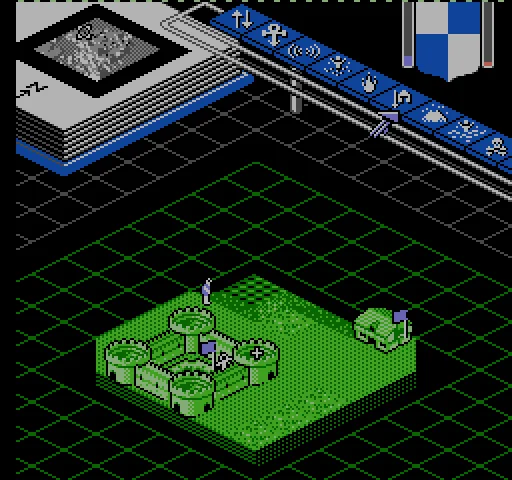
    Many gamers from older generations remember Populous with great nostalgia, as it is often seen as the original “God Game” or life simulation game. This recognition comes from the fact that the game was adapted for many platforms. Recently, a new addition can be made to this list; a version of Populous for one of the most beloved retro consoles has been found.

    NES Port Discovery

    It appears that Populous was adapted for the Nintendo Entertainment System (NES), Nintendo’s iconic 8-bit console. The development of this port started in 1992, led by Imagineer, the Japanese publisher known more for their work on the Super Famicom (or Super Nintendo, SNES) versions of SimEarth and Populous 2, which is the sequel to the now-lost NES port.

    The organization called Games That Weren’t uncovered this port. They revealed that the NES version of Populous was fully created, but Imagineer ultimately thought the console was “past its prime.” Given that the NES was already 7 years old and the 16-bit SNES had been available for two years when the port was being developed, there is some truth to this perspective.

    Game Recovery Efforts

    While performing “disk recovery work” for a client, Games That Weren’t stumbled upon the game files. They successfully recompiled these files into a functioning ROM that works on various NES emulators, like Nestopia and MESEN. However, it should be noted that the game cannot be played on FCEUX, which is a widely used NES emulator.

    You can grab the NES ROM of Populous from the Games That Weren’t website and enjoy it on devices like the Anbernic RG35XX, which is currently priced at $79.99 on Amazon.

    Game’s Origins and Impact

    Populous was initially created by Bullfrog Productions in 1989 for the Amiga. It saw further adaptations to various systems, including the Acorn Archimedes, Atari ST, FM Towns, MS-DOS, Game Boy, Macs, Sega Master System, PC-98, PC Engine, Sega Genesis, Sharp X68000, and SNES. The game has sold around four million copies in total.

    Source:
    Link