Key Takeaways
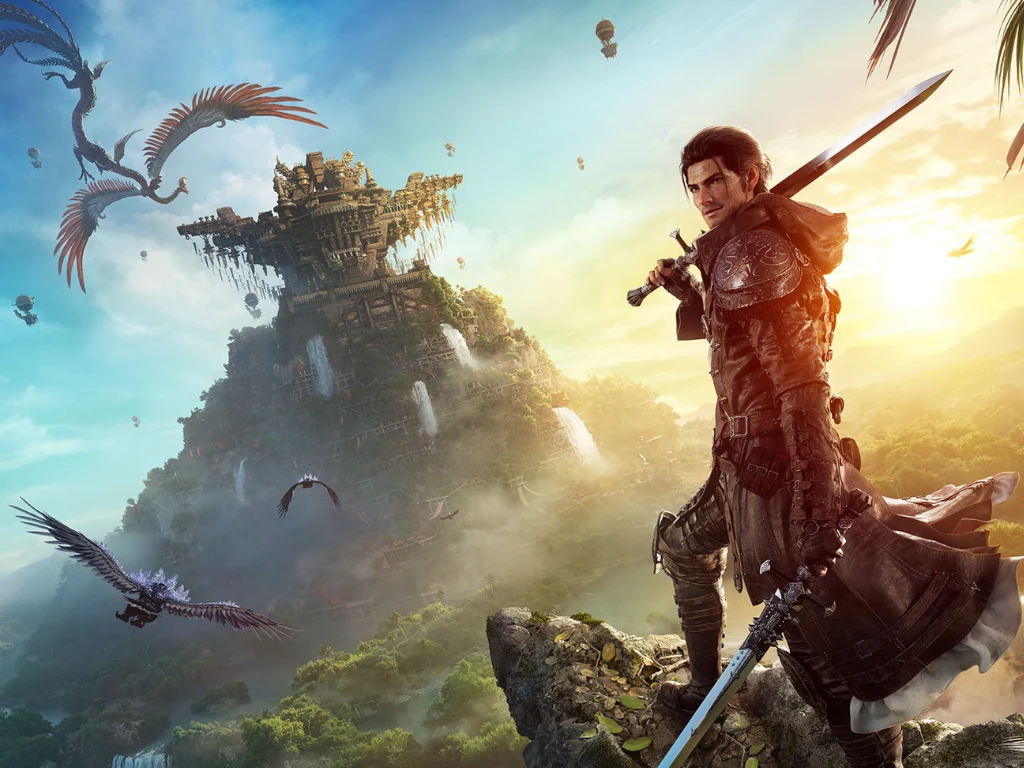
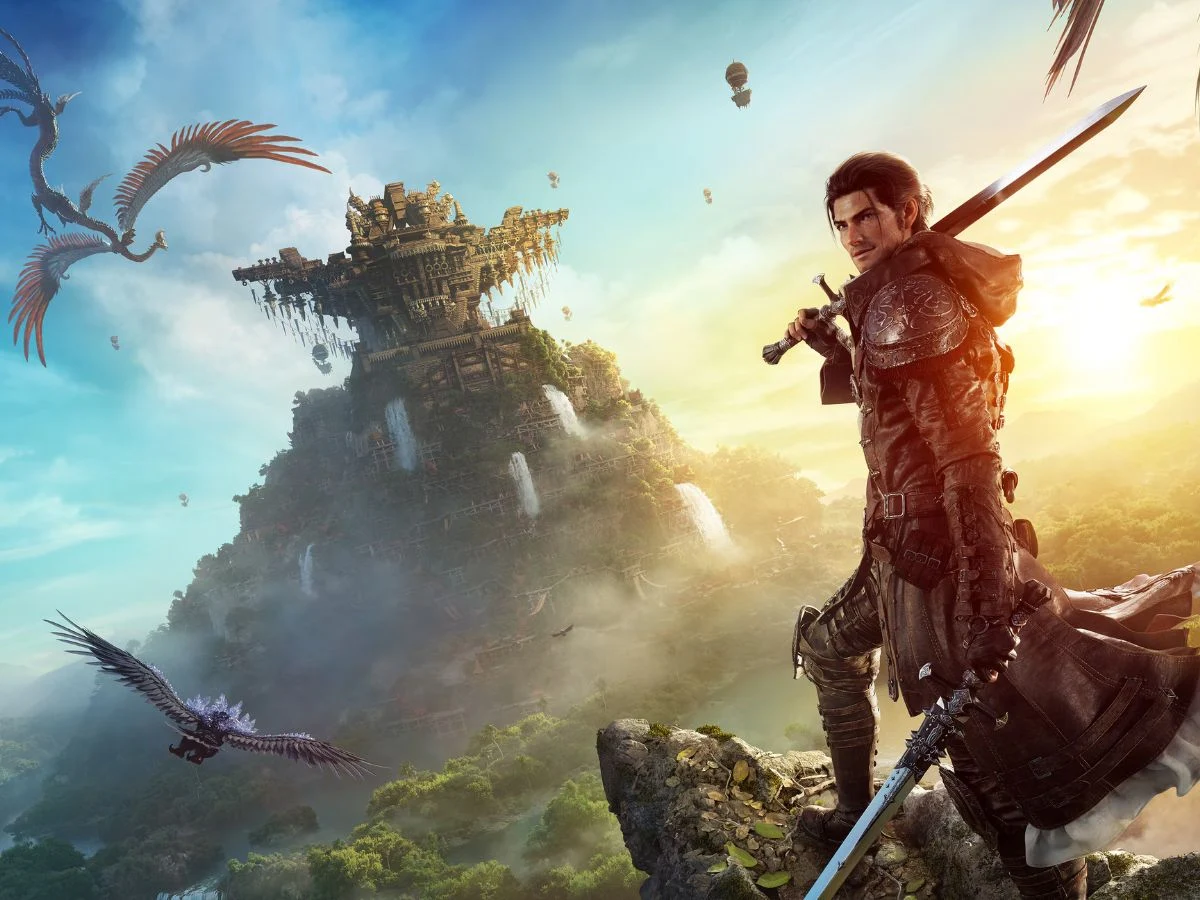
1. Final Fantasy 16 did not meet sales expectations and is considered a weaker addition to the series by some fans.
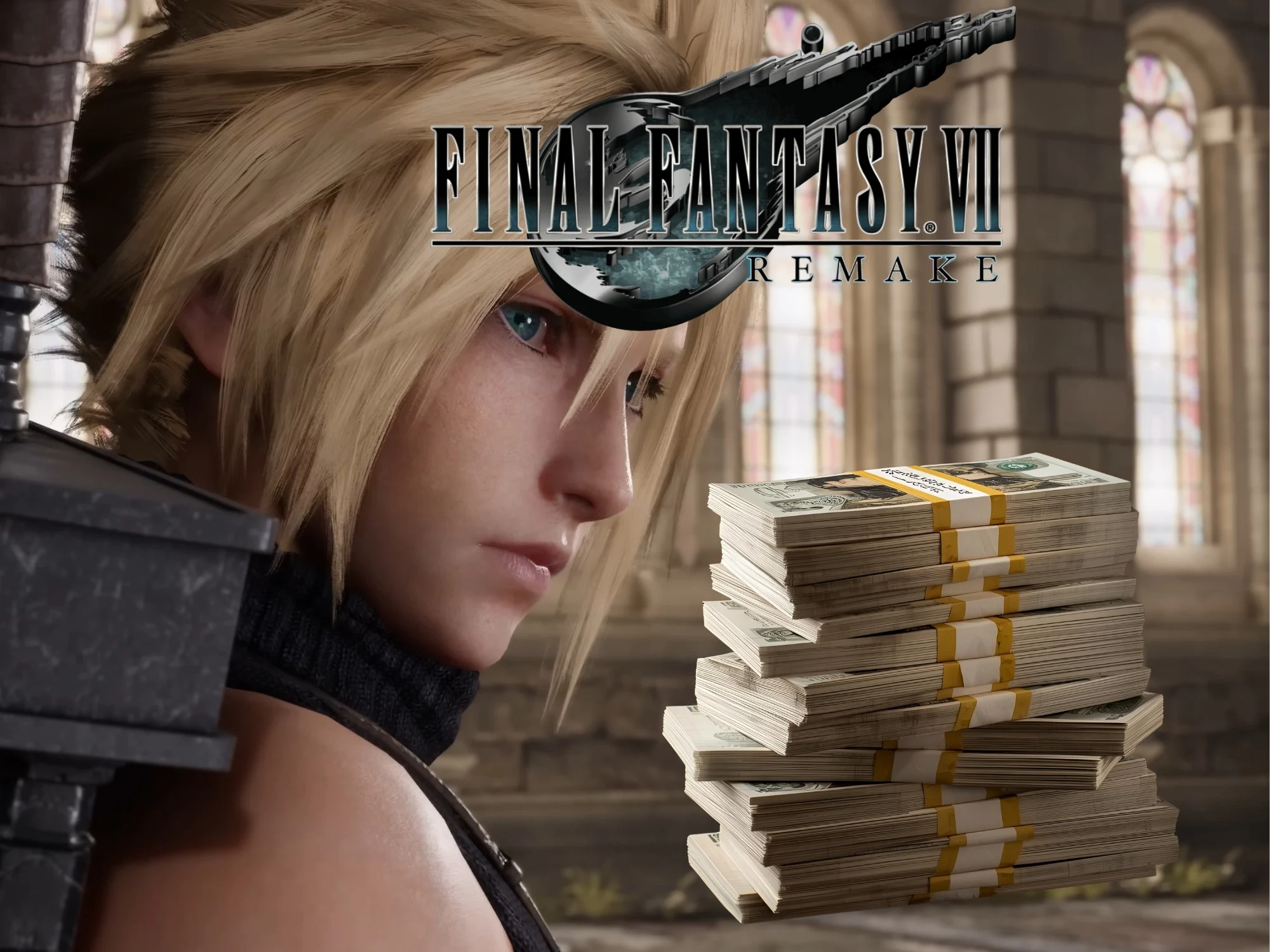
2. The development cost for Final Fantasy 16 was approximately $58 million, significantly lower than Final Fantasy 7 Remake ($134 million) and Rebirth ($119 million).
3. Concerns about Square Enix’s spending have been raised, with claims that some titles were produced at costs not justified by their revenue.
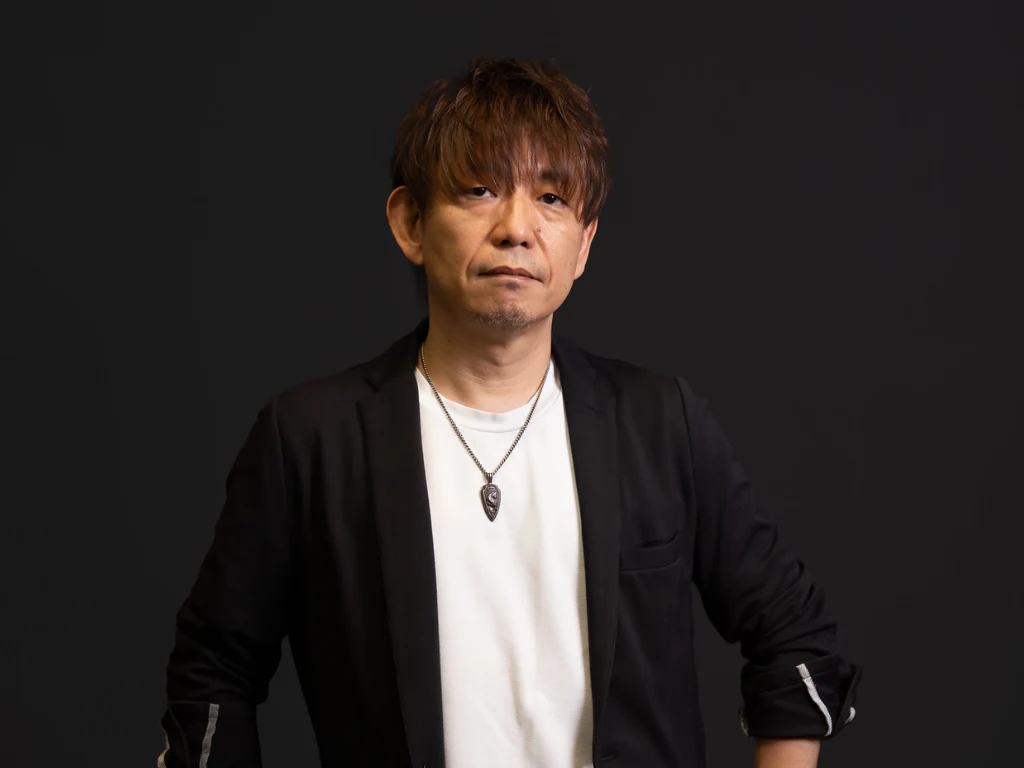
4. Producer Naoki Yoshida effectively managed the development of Final Fantasy 16, achieving reasonable costs despite delays and a small team.
5. Square Enix plans to reduce expenses in the future, including potential workforce cuts, as they work on Final Fantasy 7 Remake Part 3.
Many fans of Square Enix believe that Final Fantasy 16 was not a strong addition to the iconic RPG series. The company itself has acknowledged that the game fell short of its sales expectations. Insights from a significant investor reveal that the costs for developing this title were much lower compared to Final Fantasy 7 Remake Intergrade and Rebirth. Some players argue that these figures support claims that the 16th game lacks richness and refinement.
Concerns About Spending
3D Investment Partners released a set of slides highlighting what they consider to be the company’s unwise expenditures. Together with other investors, this firm aims to “engage in constructive dialogue with SQEX HD to boost its corporate value.” The report indicates that numerous Square Enix titles were produced at prices that did not align with the income they brought in.
Cost Comparisons
One chart indicates that Final Fantasy 16 required approximately $58 million for its production. In contrast, Final Fantasy 7 Remake cost about $134 million, and Final Fantasy 7 Rebirth came in at $119 million. According to Reddit user HexenVexen, even after adjusting for the economic situations at the time of their releases, the gaps in costs are still significant.
Production Insights
It seems that producer Naoki Yoshida played a key role in effectively bringing the last mainline Final Fantasy game to life. Interviews have shown that he began with a small team and established clear goals. While the game did face delays, its overall costs were quite reasonable when compared to other high-budget RPGs.
From a financial perspective, Final Fantasy 16 might now be viewed as a wiser investment. However, some gamers feel that it doesn’t provide the same expansive experience as other titles in the series. Notably, the open-world elements in Rebirth allowed players more freedom to explore. In contrast, Remake was primarily set in Midgar. The lengthy development period and meticulous attention to detail might explain why it surpassed the $130 million threshold.
Future Directions
Square Enix has already vowed to cut back on expenses, with AI technologies potentially leading to workforce reductions. The next installment, Final Fantasy 7 Remake Part 3, is currently under development, with Naoki Hamaguchi returning as the game director. It seems improbable that he will alter his strategy. Still, only time will reveal if Hamaguchi will look for ways to save when he wraps up the remake trilogy.
Source:
Link