
Tag: Meteor Showers

  • Two Comets Visible in October: How to Spot Them

    Two Comets Visible in October: How to Spot Them

    Key Takeaways

    1. Two comets, C/2025 A6 (Lemmon) and C/2025 R2 (SWAN), are expected to be visible in October 2025.
    2. C/2025 A6 (Lemmon) is becoming brighter and may reach a magnitude of 3.9, making it potentially visible without aids.
    3. The best time to view C/2025 A6 is right after sunset, near the stars Arcturus and Izar, in a dark area away from light pollution.
    4. C/2025 R2 (SWAN) has a long orbital period of 22,554 years and will be near the star Spica on October 21, shining at a magnitude of 4.
    5. Visibility of C/2025 R2 is uncertain, so using binoculars or a small telescope is recommended for the best chance of seeing it.


    In the past few months, sky watchers have been treated to a range of celestial happenings, including meteor showers. However, this autumn promises even more excitement, as two comets may be visible at the same time.

    Discovering C/2025 A6 (Lemmon)

    One of these comets is C/2025 A6 (Lemmon), which was first spotted on January 3, 2025, by the Mount Lemmon Survey. Initially, its brightness wasn’t sufficient for everyone to see it. But as it moves through our solar system, it’s getting brighter.

    Since last August, spotting it has become much easier, with its brightness now at a magnitude of 8.5. If it continues on its current path without any issues, it could reach a magnitude of 3.9 on October 21, 2025.

    Viewing Tips for C/2025 A6

    This increase in brightness could allow it to be seen without any aids, similar to the Neowise comet. However, be cautious; you’ll want to find a dark area free from light pollution to truly appreciate it. Astronomers suggest that the best time to catch a glimpse is right after sunset, focusing your gaze towards the stars Arcturus and Izar.

    The Arrival of C/2025 R2 (SWAN)

    The second comet expected to be visible this October is C/2025 R2 (SWAN). Vladimir Bezugly discovered this comet, which takes a staggering 22,554 years to complete its orbit around the Sun.

    To spot it near the star Spica, you’ll need to wait until October 21. On this date, it will be approximately 0.27 astronomical units away from Earth, shining at a magnitude of 4. However, take note that predicting whether it will be visible to the naked eye is tricky, as comets can behave in unexpected ways and may even break apart as they travel. For the best chance of seeing it, having binoculars or a small telescope is recommended.

    Source:
    Link


  • Don’t Miss These 3 Must-See Summer Celestial Events

    Don’t Miss These 3 Must-See Summer Celestial Events

    Key Takeaways

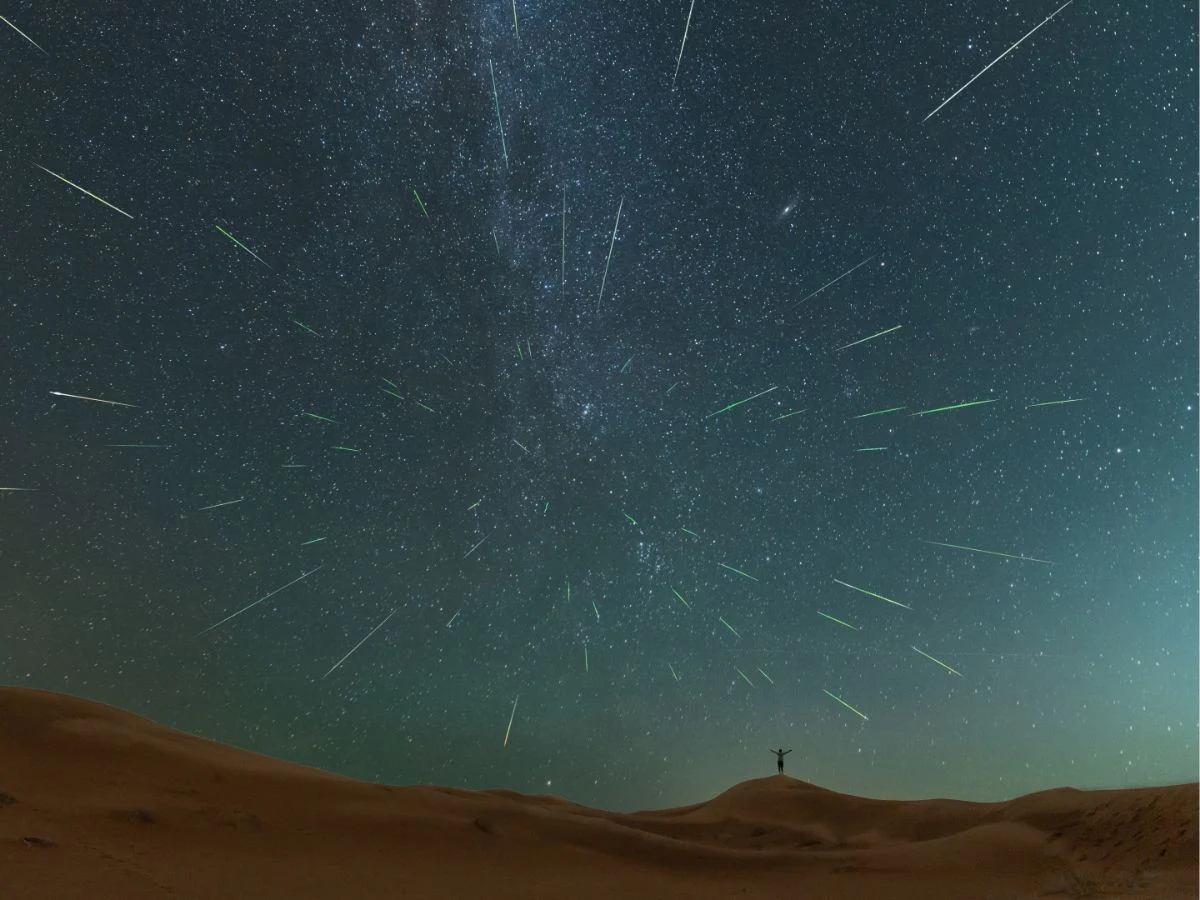
    1. Three meteor showers will occur this summer: Alpha Capricornids, Delta Aquariids, and Perseids.
    2. The Alpha Capricornids peak from July 29 to 30, with over five meteors per hour.
    3. The Delta Aquariids peak on July 28-29, with around 25 meteors per hour, best viewed in the early morning.
    4. The Perseids, peaking on August 12-13, can produce over 100 meteors per hour but may be affected by a bright full moon.
    5. Weather conditions, such as cloud cover, can impact visibility for all meteor showers.


    Every summer, the nighttime sky always presents a stunning array of sights. This year is no different, as three meteor showers are set to dazzle us.

    Celestial Wonders Await

    This means that plenty of celestial bodies are floating in space. Sometimes, they leave their impressions in our skies, reminiscent of a nova that appeared 600 years ago. So, this summer, if you gaze upward at specific moments, you’ll catch sight of numerous meteors blazing through our atmosphere. The first meteor shower will occur from July 29 to 30, peaking during this time.

    Alpha Capricornids Meteor Shower

    Known as the Alpha Capricornids and originating from comet 169P/NEAT, the American Meteor Society (AMS) states that over five meteors per hour can be seen at its peak. While this may not seem like a lot, the experience is truly mesmerizing, as fiery balls can occasionally light up the dark sky.

    The second meteor shower, the Delta Aquariids, is more likely to be spotted in the southern hemisphere. Though it might be harder to see, experts predict around 25 meteors per hour at its peak. NASA suggests that the best time for watching this shower is early morning when the sky is darkest and your viewing area is elevated above the horizon. This meteor shower is caused by comet 96P/Machholz, which orbits the Sun every 5.2 years, leaving behind a trail of debris that Earth moves through. The peak activity for this event is expected between July 28 and July 29.

    The Spectacular Perseids

    Finally, we have the most famous of the showers, the Perseids. Occurring with a peak between August 12 and 13, it’s possible to see more than 100 meteors per hour. However, there is a catch: a full moon may hinder visibility.

    The AMS notes it could be around 84% full, and its brightness might decrease visibility by as much as 75%. Even though you can still look up during this time, you’ll mainly spot the largest and brightest meteors. Additionally, you must keep an eye on the weather; if clouds cover the sky, your chances of seeing these wonders could be ruined.

    Source:
    Link