
Key Takeaways
1. Profit Growth in Semiconductor Division: Samsung’s semiconductor branch is expected to significantly contribute to a projected profit of $69 billion by 2026 due to high demand for premium memory chips.
2. Concerns Over Rising Prices: Industry leaders, including those from Epic Games, worry that increasing prices for memory chips could negatively impact the gaming experience for consumers.
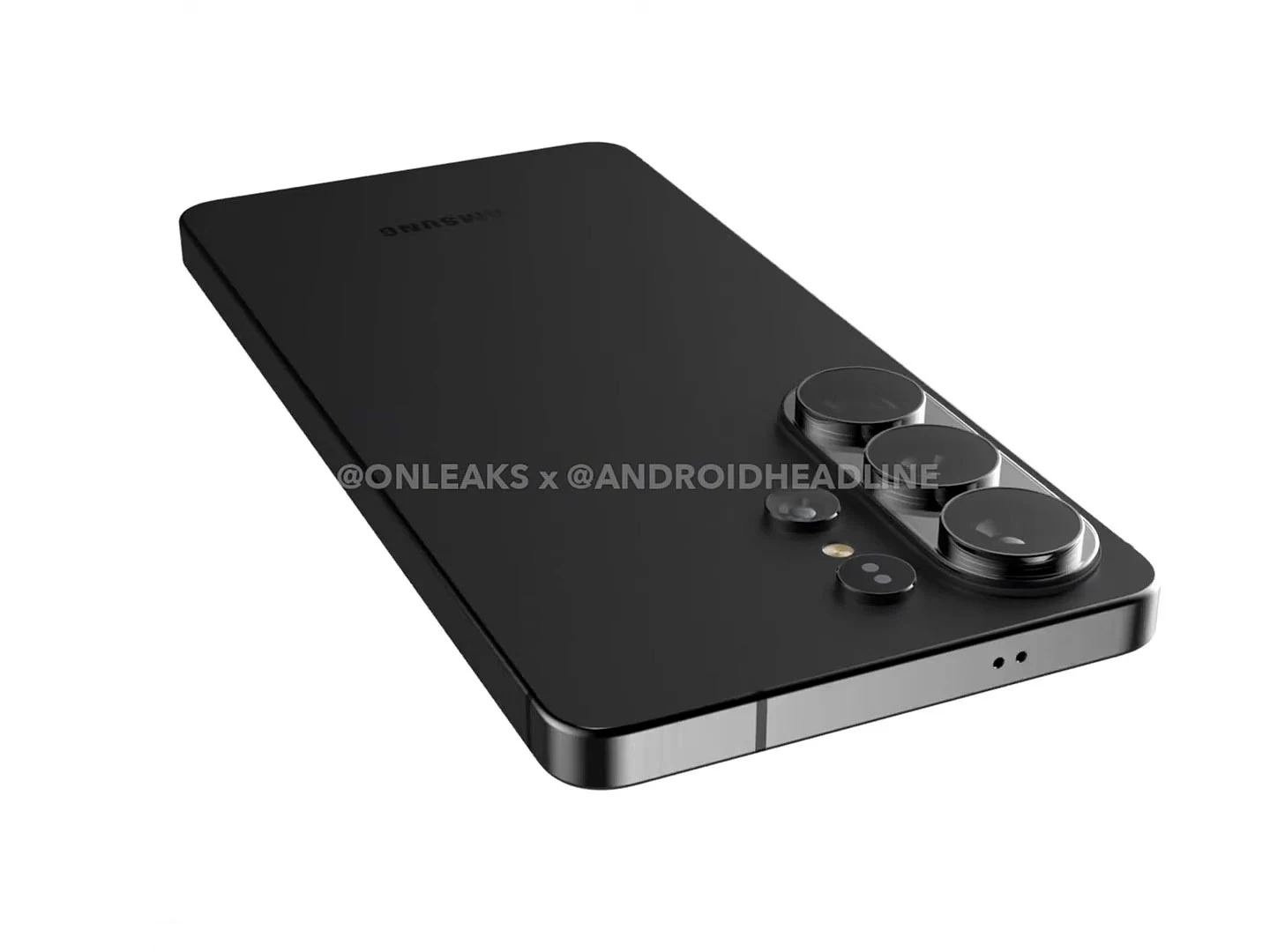
3. Challenges for Galaxy S26 Development: Samsung’s MX division faces difficulties in developing the Galaxy S26 due to high manufacturing costs and a lack of long-term agreements for mobile memory from the DS division.
4. Increased Costs for Galaxy S26: The cost of mobile memory for the Galaxy S26 is set to rise to 20% of its Bill of Materials, matching the expense of the mobile processor, due to soaring market prices.
5. Limited Upgrades for Galaxy S26 Models: With no long-term contract for cheaper memory, the Galaxy S26 series may see minimal enhancements, which could lead to a starting price of $1299, despite concerns about competitiveness in the market.
The ongoing conflict within Samsung between its profitable Memory Solutions (DS) sector and its consumer electronics arms could impact the pricing and features of the upcoming Galaxy S26.
Semiconductor Division’s Profits
The semiconductor branch is projected to be the main contributor to a staggering profit of $69 billion that analysts predict Samsung could reach by 2026. This division is thriving due to the unquenchable need for premium memory chips used in AI and graphics systems. Reports suggest that Nvidia may be charged twice as much for the next generation of HBM4 memory units due to this soaring demand.
Concerns from Industry Leaders
Meanwhile, executives from Epic Games and other companies are expressing concerns that extreme price increases could harm the gaming experience. Manufacturers of laptops, PCs, consoles, and phones struggle to compete with the high prices that AI companies are willing to pay for quick-access graphics memory chips.
Challenges for the Galaxy S26 Development
Samsung’s MX division, which is responsible for crafting the forthcoming Galaxy S26 series, appears to be grappling with these new market realities. Supposedly, the Device Solutions (DS) department, which produces memory chips and Exynos processors, has declined to enter a long-term agreement for mobile LPDDR memory. This decision could keep the manufacturing expenses for the Galaxy S26 elevated.
The AI boom is consuming not just HBM used in Nvidia’s AI cards but also GDDR and LPDDR types essential for graphics systems in laptops and phones. An industry insider noted, “With AI accelerators consuming both HBM and LPDDR volume, the DS division must reconfigure its portfolio centered around gainful outcomes.”
Changes in Samsung’s Structure
Recent changes at Samsung have granted each division greater freedom to manage its own profitability. The DS division has opted to focus on maximizing profits. With the overwhelming demand for memory chips, it has only provided Samsung MX with a contract that covers the current quarter, meaning that the Galaxy S26 will have to source memory at current market prices.
This pricing has now doubled, which means that the mobile memory costs within the Galaxy S26’s Bill of Materials (BOM) will rise to 20%. This is already on par with the mobile processor’s share, which is the priciest component in a phone. This increase follows the Snapdragon chipset overtaking the high-resolution OLED display as the most costly phone part not too long ago.
Future of the Galaxy S26 Pricing and Specs
With Samsung DX rejecting a long-term contract for more affordable memory, the MX division faces a choice: raise the prices for the Galaxy S26, S26+, and S26 Ultra or cut back on potential upgrades. It seems they are leaning towards the latter option. Reports indicate that the Galaxy S26 Ultra may not feature significant enhancements in display, camera, or memory, with its only advantage being a more refined design and the exclusive Snapdragon 8 Elite Gen 5 chipset.
This middling strategy may help Samsung maintain the starting price at $1299. However, considering the S25 Ultra is currently listed for less than $900 on Amazon, it remains uncertain whether the Galaxy S26 Ultra will be compelling enough for users to consider an upgrade.
Source:
Link