Key Takeaways
1. Tencent filed to support the dismissal of Sony’s lawsuit, claiming the allegations are based on unproven future conduct.
2. Tencent argues that Sony is trying to monopolize genre conventions and dismissed Sony’s claims as unfounded.
3. Tencent asserts that the lawsuit targets the wrong parties and that many alleged infringements have not occurred yet.
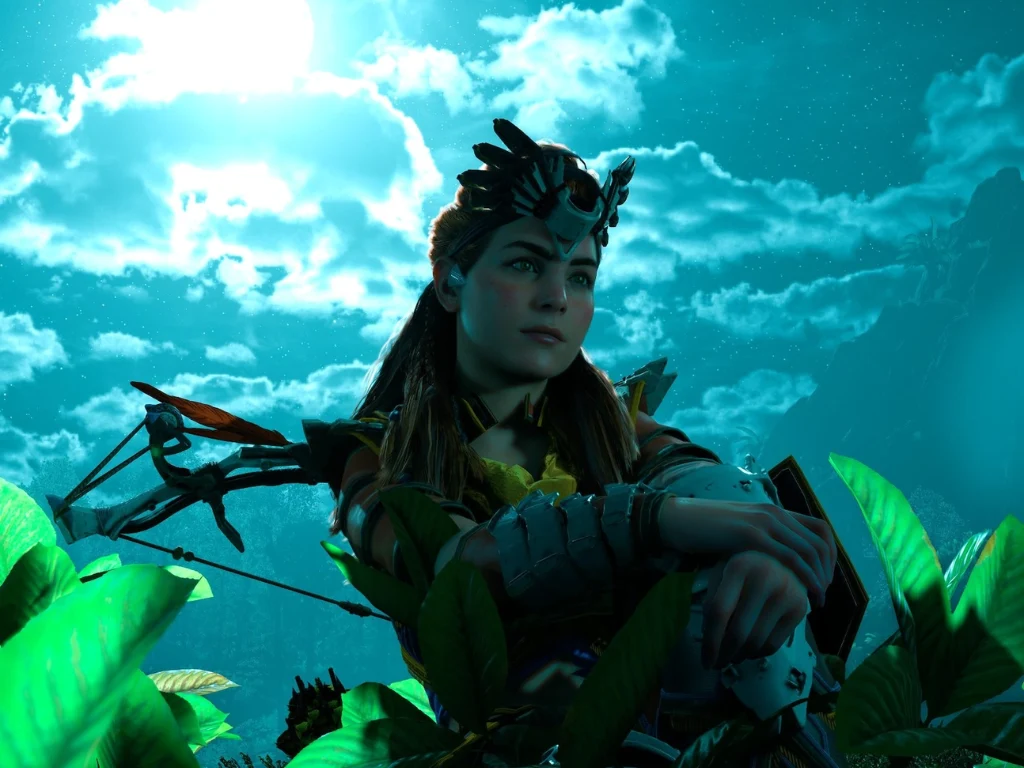
4. Tencent challenges Sony’s trademark claim regarding Aloy, stating that fame alone does not establish a trademark.
5. Tencent compares Aloy’s trademark claim to Mickey Mouse, arguing that inconsistent portrayals weaken Sony’s case for trademark protection.
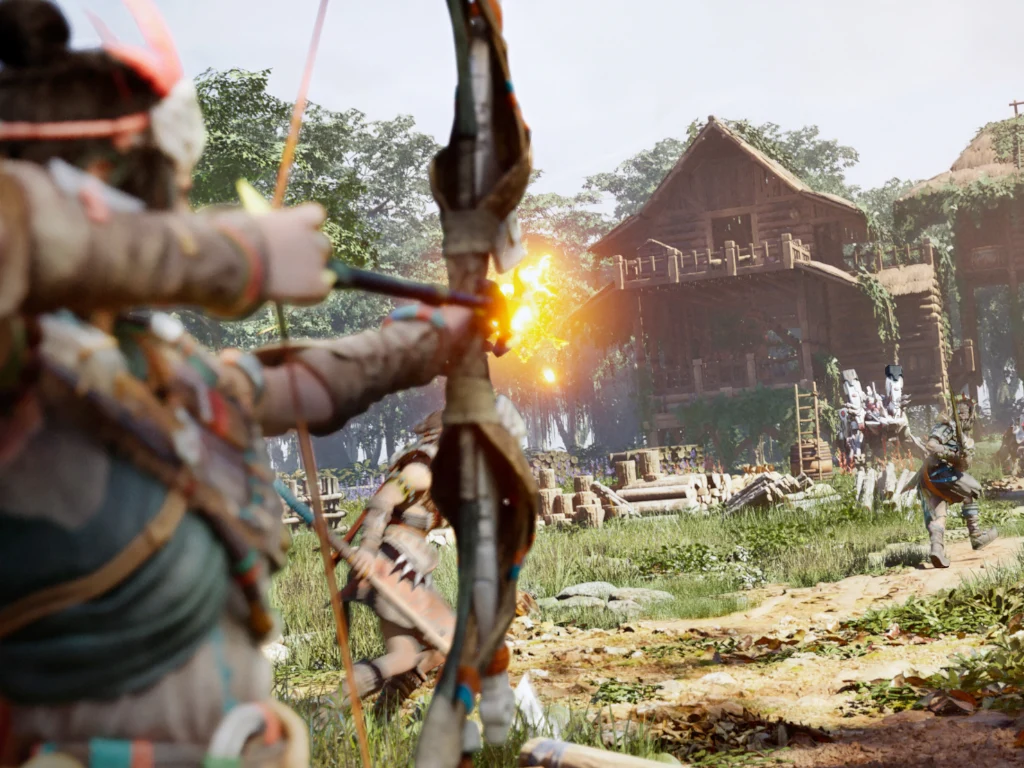
Tencent has recently made another move in its legal conflict with Sony, filing on October 29 to support a request to dismiss the lawsuit that claims Tencent infringed on the Horizon franchise with its new game, Light of Motiram.
Tencent’s Argument
In a statement to U.S. District Judge Jacqueline Scott Corley, Tencent argued that Sony’s allegations are based on “future conduct that has not and may never occur,” making the case “unripe for adjudication.” Tencent had previously maintained that Sony is attempting to gain an “impermissible monopoly on genre conventions,” using examples like Far Cry Primal and Enslaved: Odyssey to the West to bolster their claim. Sony, however, dismissed Tencent’s defense as “nonsense,” alleging that Tencent is engaging in a “shell game” through its subsidiaries.
Strengthening Its Defense
Tencent has reinforced its position by asserting that “no Tencent Holdings employees or executives attended the March 2024 San Francisco pitch meeting.” They further explained that “the lawsuit was brought against the wrong parties, long before many of the purported acts of infringement have even occurred…”
In addressing Sony’s trademark claim concerning Aloy’s appearance, Tencent highlighted that fame alone does not establish a trademark. They noted that to be recognized as a trademark, a mark must identify a specific product or service. Although it’s true that gamers know Aloy as a character from the Horizon game, Sony has not successfully proven that her appearance functions as a trademark outside of the game context.
Comparison with Mickey Mouse
To bolster its argument, Tencent used Disney’s Mickey Mouse as an example, stating that recognizing Mickey as a character in a movie does not mean he can change his look and still be considered a trademark. They pointed out that Disney has registered various trademarks for different appearances of Mickey Mouse over time. In contrast, Sony’s inconsistent descriptions and varying portrayals of Aloy’s appearance do not provide a solid foundation for their claims. Characters can only be trademarks when they are used consistently and identifiably as a source identifier beyond just being a game character.
The hearing for Sony’s injunction has been postponed from late 2025 to January 15, 2026, due to prior obligations of Sony’s legal team and duties of the District Judge. In the meantime, the Steam page for Light of Motiram showcases adjusted artwork, much of which was altered following the initiation of the lawsuit.
Source:
Link