Tag: Jeff Bezos

  • Jeff Bezos Joins $6.2B AI Startup as Co-CEO of Project Prometheus

    Jeff Bezos Joins $6.2B AI Startup as Co-CEO of Project Prometheus

    Key Takeaways

    1. Jeff Bezos is co-CEO of a new AI startup, Project Prometheus, which has secured $6.2 billion in funding.
    2. Vik Bajaj, an experienced AI leader, will join Bezos as co-CEO.
    3. Project Prometheus aims to develop AI solutions for complex engineering and manufacturing tasks, rather than typical chatbots.
    4. The startup is focusing on industries like computing, automotive engineering, and aerospace.
    5. The project has attracted nearly 100 employees, including talent from DeepMind, Meta, and OpenAI.


    Jeff Bezos is said to be working on a new venture. The Amazon founder will reportedly take on the role of co-chief executive (co-CEO) for a newly established AI startup, according to the New York Times, which references three unnamed sources. The startup is called Project Prometheus and has already secured $6.2 billion in funding, with some of the money coming straight from Bezos himself.

    An Impressive Fundraising Effort

    If this information is accurate, Project Prometheus would rank among the most well-capitalized early-stage startups globally. Vik Bajaj, a physicist and chemist, will join Bezos as co-CEO of the project. Bajaj is quite experienced in the field, having previously led AI initiatives at Google’s “Moonshot” division, known as X, and co-founding Verily, an Alphabet research lab, back in 2015. Most recently, he held the position of CEO at Foresite Labs, which focuses on nurturing new startups in AI and data science.

    A Unique Approach to AI

    Project Prometheus enters a highly competitive AI landscape but aims to carve out a niche. The startup does not plan to develop typical text-based chatbots like ChatGPT or Anthropic. Instead, its AI will learn from the real world, aiming to create AI solutions for complex engineering and manufacturing tasks. The New York Times highlights the focus on sectors like computing, automotive engineering, and aerospace, which aligns with Bezos’ other interest in his space company, Blue Origin.

    A Logical Next Step

    For Bezos, this seems like a sensible move. Last year, he put money into a startup called Physical Intelligence, which also utilizes AI for robotics. While LLMs focus on textual patterns, the Prometheus systems (similar to Periodic Labs) are built to learn through physical experimentation, including robot trials. To reach this ambitious target, Project Prometheus has already brought on nearly 100 employees, attracting top talent from DeepMind, Meta, and OpenAI.

    Source:
    Link


  • Jeff Bezos’ Revolutionary Satellite Goes Missing in Space

    Jeff Bezos’ Revolutionary Satellite Goes Missing in Space

    Key Takeaways

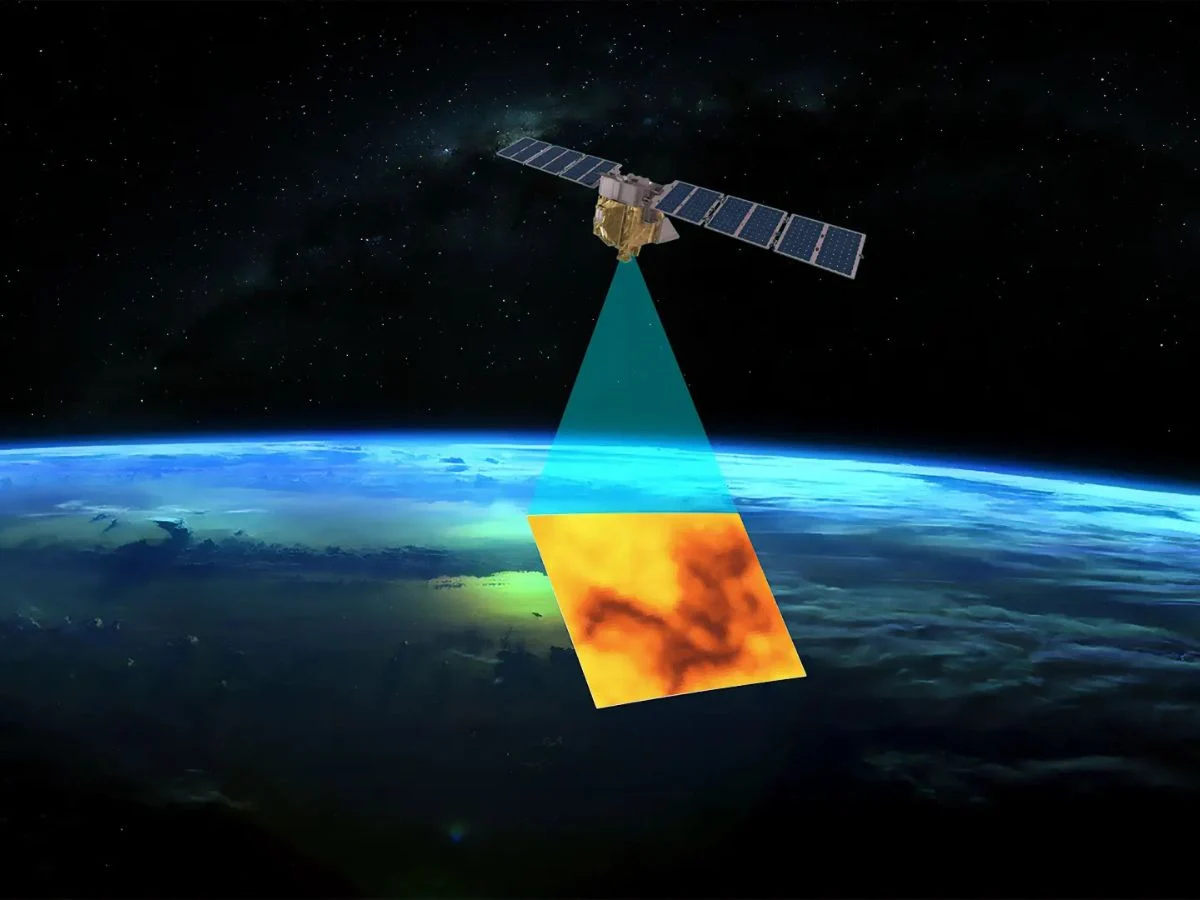
    1. Jeff Bezos’s MethaneSAT satellite, valued at $88 million, is now missing in space and cannot be located.
    2. The satellite was designed to measure and identify global methane emissions, playing a crucial role in addressing climate change.
    3. MethaneSAT had successfully operated for over a year, significantly contributing to understanding methane emissions from the oil and gas industry.
    4. The satellite stopped transmitting signals on June 20, and extensive efforts to regain contact have failed, leading to its presumed loss.
    5. The Environmental Defense Fund and its team express disappointment over the loss but aim to continue efforts in addressing climate issues through new partnerships.


    This is not good news for Jeff Bezos, the founder of Amazon. His MethaneSAT satellite, which is valued at $88 million, is now missing in space, and no one can locate it.

    Revolutionary Technology at Stake

    This situation is a significant setback, as the satellite was groundbreaking, meant to measure and identify sources of methane emissions globally, contributing to global warming. The goal was to help authorities address these emissions and lessen their environmental impact. This mission had been successfully executed for more than a year.

    Moreover, the satellite had effectively pinpointed industrial sources, including those from the oil and gas sector, that contribute to large emissions. The Environmental Defense Fund (EDF) noted its usefulness: “With MethaneSAT, we gained critical insight into the distribution and volume of methane released from oil and gas production areas. We’ve also achieved an unparalleled ability to interpret space measurements and convert them into methane volume estimates. This skill will be useful for other missions.”

    A Deep Loss

    However, we speak of it in the past tense because it is no longer operational. The satellite ceased to transmit signals on June 20. Despite extensive efforts from the mission controllers, it remains unresponsive. Consequently, the EDF believes it is entirely lost, possibly drifting aimlessly through the void of space or endlessly orbiting Earth.

    On this matter, Steven Hamburg, the chief scientist at EDF and leader of the MethaneSAT mission, expressed his feelings: “We’re going to take a pause. Clearly, we’ve encountered a loss. I have a large team who dedicated their hearts and souls to what many thought was impossible.” Therefore, this loss is a significant disappointment for those involved, although MethaneSAT seeks to find new partners: “Addressing the climate crisis needs bold actions and risks, and this satellite was at the forefront of science, technology, and advocacy.”

    Source:
    Link

  • Slate Electric Pickup Truck Hits 100,000 Reservations Milestone

    Slate Electric Pickup Truck Hits 100,000 Reservations Milestone

    Key Takeaways

    1. Slate announced an electric pickup truck that can transform into an SUV for under $20,000, generating 100,000 reservations.
    2. Jeff Bezos, founder of Amazon, supports Slate, having invested in Rivian, a competitor in the electric vehicle market.
    3. The truck will be produced in Indiana, with plans to increase production to 150,000 units annually by 2028.
    4. The modular design allows for customization, including a DIY transformation into a two-door SUV, expected to be available by late 2026.
    5. A $50 refundable deposit is needed to reserve the truck, but final prices may exceed initial advertisements, depending on federal EV tax credit availability.


    Slate recently announced that it can sell an electric pickup truck that can change into an SUV for under $20,000. This idea has caught the attention of many, leading to 100,000 reservations being made for the vehicle.

    Backing by Bezos

    Slate has the support of Jeff Bezos, the founder of Amazon. He was one of the first investors in Rivian, another company that produces electric trucks, SUVs, and vans.

    Production Plans

    The electric vehicle will be produced in Indiana, with Slate aiming to increase production to 150,000 units annually by 2028. They are inviting early adopters to customize their trucks through their website.

    The Slate EV has a modular design, allowing customers to add an optional roof and extra seats to convert it into a two-door SUV. This transformation can be completed either as a DIY task or by professionals at a partnering service center. The truck is expected to be released in late 2026, featuring a standard battery pack that offers a 150-mile driving range.

    Reservation Details

    To reserve the pickup truck, a $50 deposit is required, which is refundable. However, not all reservations are guaranteed to lead to a purchase. For example, Tesla gathered two million pre-orders for the Cybertruck, yet it is currently offering promotions to encourage sales.

    Prospective buyers should keep in mind that the final price may be higher than initially advertised. The low cost relies on the ongoing availability of the federal EV tax credit, which is currently uncertain.

    Source:
    Link