Tag: Huawei Watch D

  • Oura Ring 3 and 4 Introduce New Blood Pressure Monitoring Feature

    Oura Ring 3 and 4 Introduce New Blood Pressure Monitoring Feature

    Key Takeaways

    1. The Huawei Watch D and Watch D2 are the only consumer wearables with medically approved blood pressure monitoring.
    2. Competitors like Apple and Samsung promote blood pressure tracking, but their methods may not meet medical standards.
    3. Oura plans to add blood pressure monitoring to its Oura Ring 3 and Oura Ring 4, pending regulatory approval.
    4. Early access to blood pressure features will be available through Oura Labs, without the need for calibration with medical monitors.
    5. Participation is limited to U.S. users aged 22 and older, excluding those with pacemakers.


    The Huawei Watch D and Watch D2 continue to be the sole consumer wearables that provide blood pressure monitoring at a medically approved level. However, competitors such as Apple and Samsung have still been promoting their smartwatches as capable of tracking blood pressure levels as required. It is also said that the Circular Ring 2 can do this too, but the blood pressure feature comes at a cost.

    Oura’s New Features

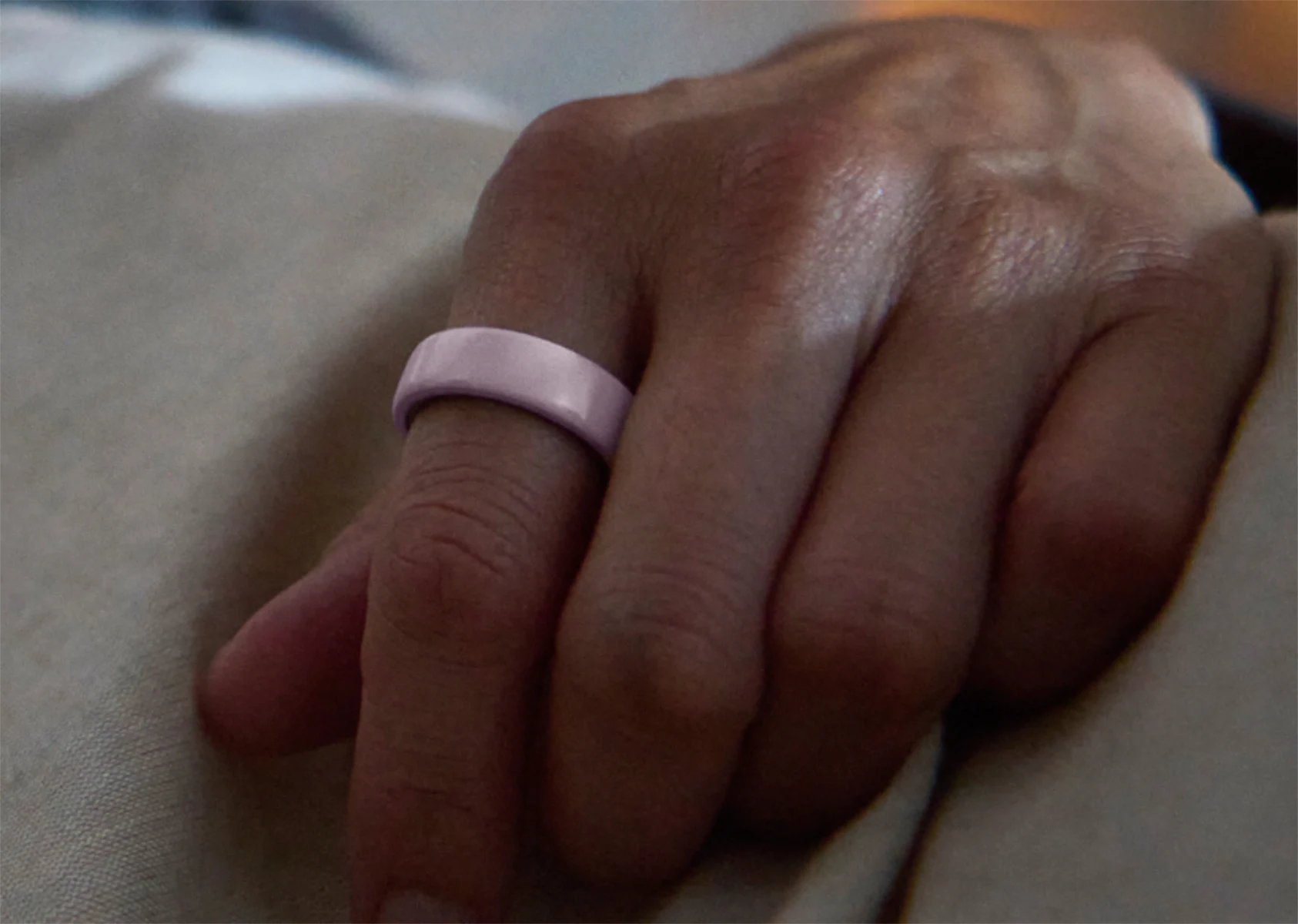
    Oura has recently announced plans to introduce similar functionality in its latest smart rings. The company aims to provide blood pressure monitoring on its Oura Ring 3 and Oura Ring 4, which currently retail for $499 on Amazon. However, Oura needs to get regulatory approval before it can roll out this feature to its users.

    Early Access for Users

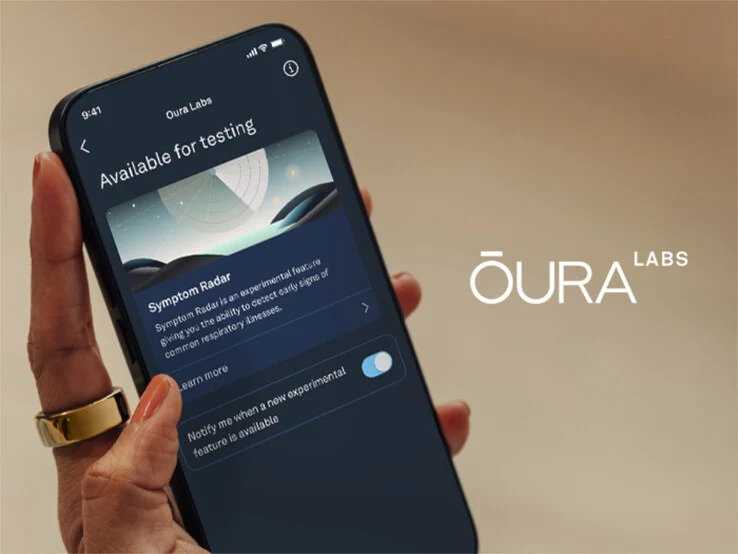
    In the meantime, Oura has revealed that it will be granting early access to users who sign up for its Oura Labs service. To clarify, Oura’s smart rings determine blood pressure levels using their PPG sensors. Importantly, neither the Oura Ring 3 nor the Oura Ring 4 needs calibration with a medical-grade blood pressure monitor before they can be used. This means that both rings will not be able to display diastolic and systolic readings.

    Restrictions on Participation

    Sadly, this offer is limited to users in the United States who are at least 22 years old. There are additional restrictions as well, such as excluding Oura Ring 3 and Oura Ring 4 users with pacemakers from the program. For more information, please refer to Oura’s official website.

    Oura via Mark Gurman.

    Source:
    Link


  • Fitbit Smartwatch with Blood Pressure Monitor and Dual Sensor

    Fitbit Smartwatch with Blood Pressure Monitor and Dual Sensor

    Key Takeaways

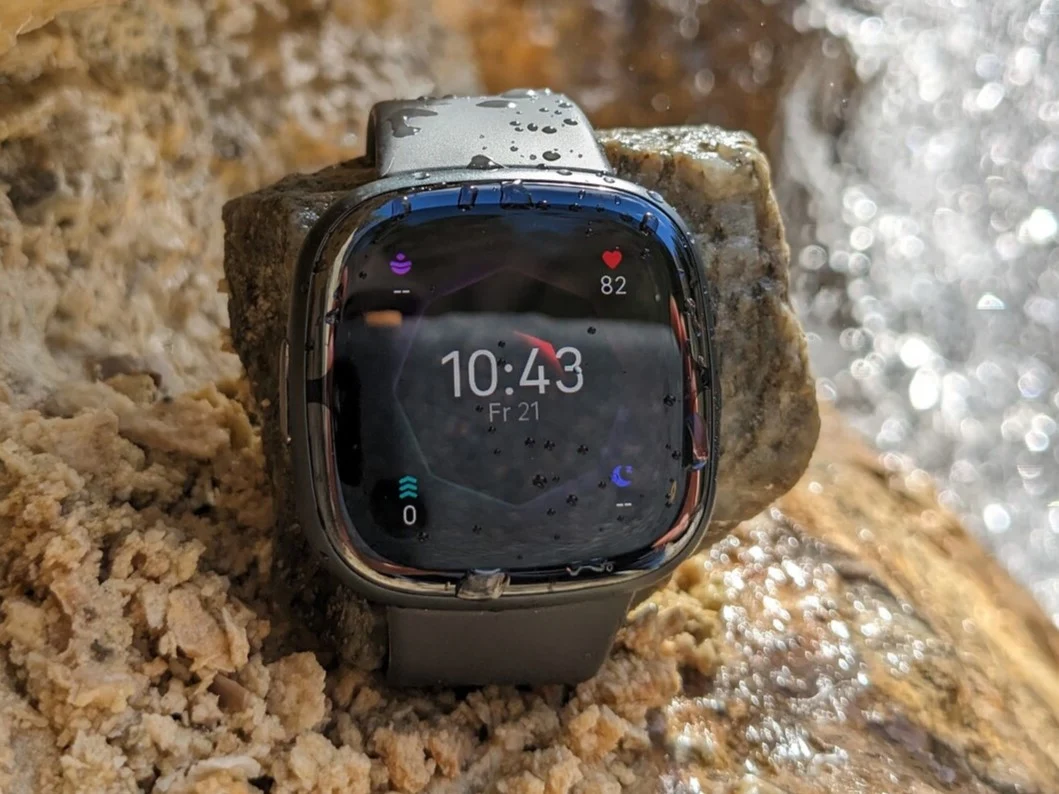
    1. Fitbit is now owned by Google (Alphabet) but continues to develop new sensor technology for its wearables.
    2. The recent patent outlines a combination of optical measurement and traditional pressure measurement for enhanced blood pressure readings.
    3. The new wearable may apply pressure to the skin to improve measurement accuracy.
    4. Competing smartwatches, like the Samsung Galaxy Watch and Huawei Watch D, already use different methods for blood pressure monitoring.
    5. Fitbit is focusing on enhancing its products with new features and technologies despite the competitive market.


    Fitbit is now a part of Google, or more precisely, Alphabet. Despite this change in ownership, the company is still developing a fresh sensor for its wearable devices, as shown in a recent patent filing. However, just because a new technology has been officially patented doesn’t guarantee that it will end up in a smartwatch or any product that you can buy. It’s also expected that Fitbit is looking into new features to enhance its main products.

    New Sensor Technology

    The patent in question doesn’t just cover a single sensor; it outlines a mix of different measurement techniques. This combination is intended to enhance the accuracy and dependability of the readings. Fitbit intends to merge two existing methods for measuring blood pressure in wearables and smartwatches: optical measurement and traditional pressure measurement that listens to the heartbeat sounds. The patent even details how the wearable might exert pressure on the skin itself.

    Current Market Comparisons

    Both techniques for measuring blood pressure are already present in the smartwatch industry. For instance, certain Samsung Galaxy Watches (starting at $229 on Amazon) can optically gauge blood pressure, but this requires it to be calibrated with a specific blood pressure monitor. In contrast, the Huawei Watch D uses an inflatable cuff that is quite similar to a typical wrist blood pressure monitor. This device listens for the Korotkoff sounds in relation to the external pressure applied to blood vessels, which allows it to determine the familiar systolic and diastolic values.

    In conclusion, Fitbit is actively pursuing advancements in its wearable technology, as evidenced by its latest patent, while the competition continues to offer various methods for blood pressure monitoring.

    Source:
    Link

  • Huawei Smartwatch Features Patented In-Display 3D Fingerprint Sensor

    Huawei Smartwatch Features Patented In-Display 3D Fingerprint Sensor

    Huawei has established itself in the smartwatch industry with innovative devices like the Huawei Watch D, known for its ability to measure blood pressure without needing a conventional cuff for calibration. Recently, Huawei has secured a patent for a smartwatch featuring an in-display fingerprint sensor, resembling technology already found in many Android smartphones.

    Details of the New Sensor

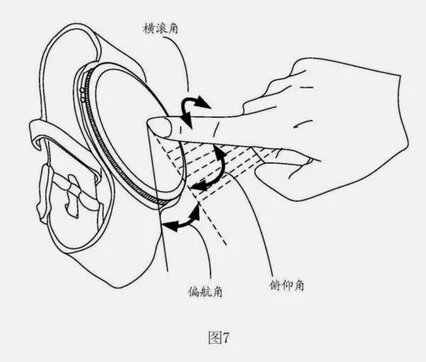
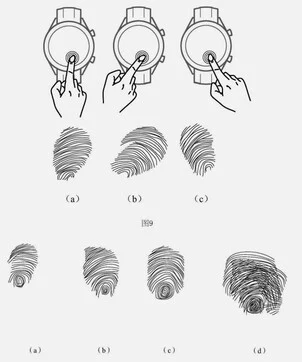
    The patent outlines an optical fingerprint sensor designed to recognize multiple fingerprints. This sensor goes beyond merely unlocking the smartwatch; it also enables various gestures. For instance, the patent explains that placing a thumb on the sensor could launch a specific app, while tapping the middle finger could initiate a call to a designated number. Additionally, swiping a finger across the sensor might allow users to adjust settings like screen brightness or volume.

    Benefits of Gesture Control

    Implementing these gestures could greatly enhance the efficiency of operating a smartwatch. Moreover, the inclusion of a fingerprint sensor would significantly improve security. When compared to the usual four-digit PIN used for unlocking, a fingerprint sensor offers a far more secure option. This added security is crucial for contactless payments and helps safeguard personal information in case the smartwatch is lost or stolen.

    Source:
    Link