Key Takeaways
1. NuPhy has launched the Kick75 hybrid profile keyboard and the updated Air75 V3, both featuring Gateron Low-Profile V3 switches.
2. The new NuPhyIO versions of the Halo65 V2 and larger models improve battery life significantly by switching from QMK/VIA to proprietary NuPhyIO firmware.
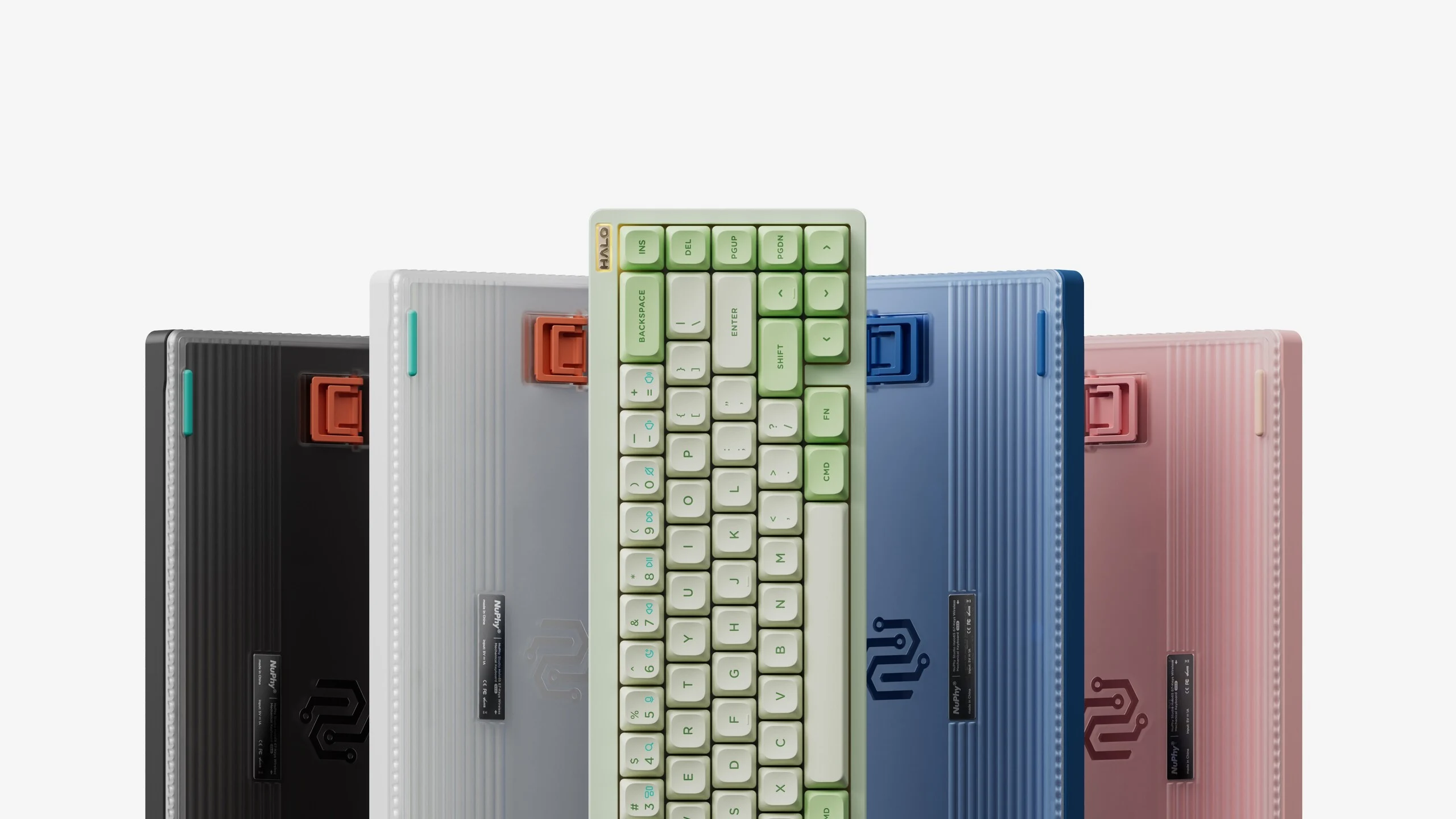
3. The Halo V2 series includes three models (Halo65 V2, Halo75 V2, Halo96 V2) with a battery life increase, despite retaining the same 4,000 mAh capacity.
4. The Halo96 V2 NuPhyIO version offers a wireless battery life of approximately 1200 hours compared to 307 hours on the QMK/VIA version, though backlighting reduces this gain.
5. NuPhyIO firmware offers features like automatic updates and built-in key binds, but lacks the open-source advantages of QMK, such as deep customization and community support.
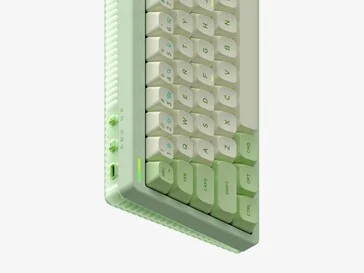
NuPhy has been quite busy recently, launching the innovative Kick75 hybrid profile mechanical keyboard and the refreshed Air75 V3. Both of these new models come equipped with the latest Gateron Low-Profile V3 switches. Now, the mechanical keyboard manufacturer has revealed the new NuPhyIO versions of the Halo65 V2 and its larger variants. Although the hardware updates seem minimal, the primary change is in the firmware. NuPhy asserts that switching from QMK/VIA to their proprietary NuPhyIO firmware has significantly improved the battery life of these keyboards.
Pricing and Availability
The NuPhy Halo V2 NuPhyIO series can be purchased directly from the NuPhy store, with prices between $119.95 and $139.95, depending on the layout you choose. Meanwhile, the original Halo75 V2 with QMK firmware is listed on Amazon for $149.95.
Different Models, Same Battery
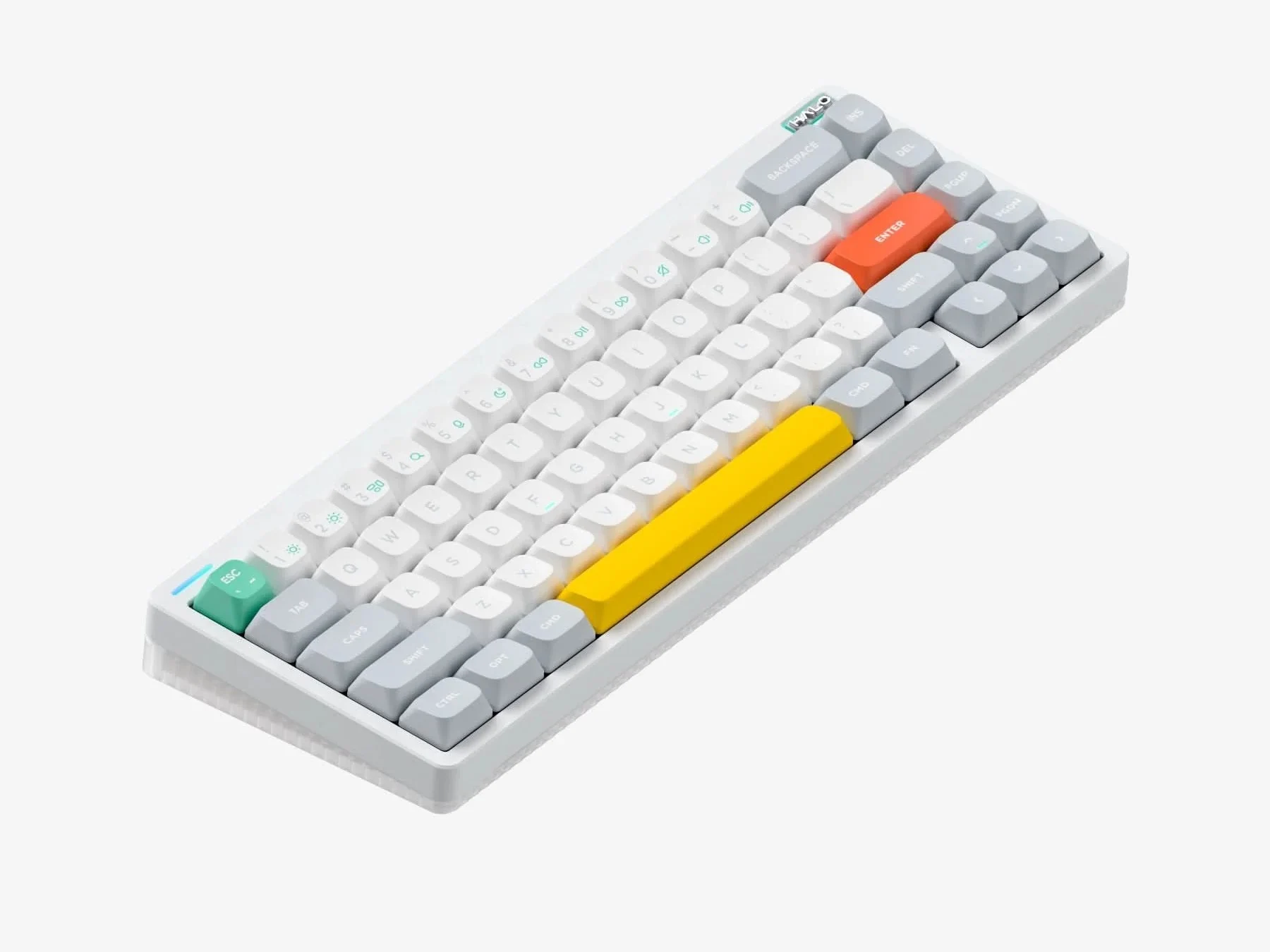
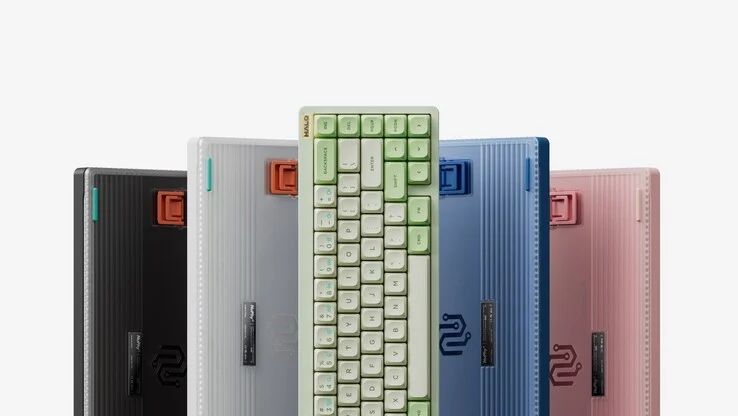
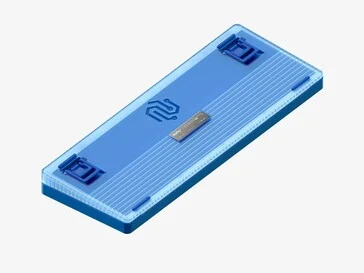
The Halo V2 series offers three options: the compact Halo65 V2, the somewhat larger Halo75 V2, and the numpad-equipped Halo96 V2. All of these models boast extended battery life, thanks to the NuPhyIO firmware. They maintain the same 4,000 mAh battery capacity as their QMK/VIA versions, but the QMK firmware is known for being less efficient. The PCB in the NuPhyIO versions is claimed to be simpler and more integrated compared to the QMK PCB.
Impressive Battery Life Gains
The switch in PCB and firmware is said to have led to a striking improvement in battery life. For instance, the wireless battery life on the Halo96 V2 NuPhyIO version has been extended to around 1200 hours from roughly 307 hours on the QMK/VIA version—nearly a 300% increase. However, it’s worth mentioning that the situation isn’t as bright when the backlighting is activated, with the new firmware only adding about a 10% boost to battery life.
In our testing of wireless keyboards, such as the Keychron K4 HE, we found that turning up the RGB backlighting also leads to high power consumption, but NuPhy’s specific testing methods remain unclear. Factors like backlighting brightness and connectivity mode do influence power use—though the difference in power consumption between 2.4 GHz and Bluetooth polling rates from 125 Hz to 1,000 Hz isn’t as dramatic as one might expect.
Firmware Features and Customization
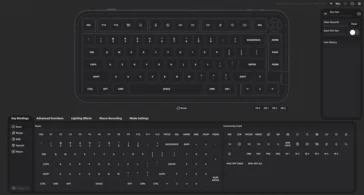
When contrasting the NuPhyIO and QMK/VIA firmware versions, another vital aspect is the features available in each customization suite. Both offer browser-based customization, but they come with their own pros and cons. QMK is an open-source firmware project, which means that even if NuPhy were to cease operations, you could still customize your keyboard as long as you had the right JSON file. Some users even recommend cloning the QMK and VIA repositories, and in emergencies, direct firmware file edits are possible. QMK provides deep customization options, backed by excellent documentation and a robust community for support.
On the other hand, NuPhyIO includes some handy features that QMK lacks, such as automatic firmware updates and certain built-in key binds for select creative applications. However, it doesn’t have the same open-source advantages as QMK firmware. There have also been reports of NuPhyIO keyboards losing custom key binds and macros if the battery is disconnected or runs out—this could be a deal-breaker for many serious users.
Source:
Link