Tag: Glen Schofield

  • Glen Schofield Calls EA & Activision’s Post-Acquisition Era Bittersweet

    Glen Schofield Calls EA & Activision’s Post-Acquisition Era Bittersweet

    Key Takeaways

    1. Glen Schofield reflects on his decade-long experience at EA and Activision, highlighting their roles as major talent development hubs in the gaming industry.

    2. Recent shifts in ownership, such as EA’s deal involving Saudi Arabia’s PIF, signify a new era for both EA and Activision, impacting their status in the industry.

    3. Schofield contrasts the structured environment of EA with the chaotic yet passionate atmosphere of Activision during game review meetings.

    4. He expresses concern over the decline of these companies as leading publishers, noting the loss of their nurturing culture for developers.

    5. Schofield’s insights come amidst industry-wide challenges, including layoffs and the growing influence of AI in gaming, raising questions about the future of major publishers.


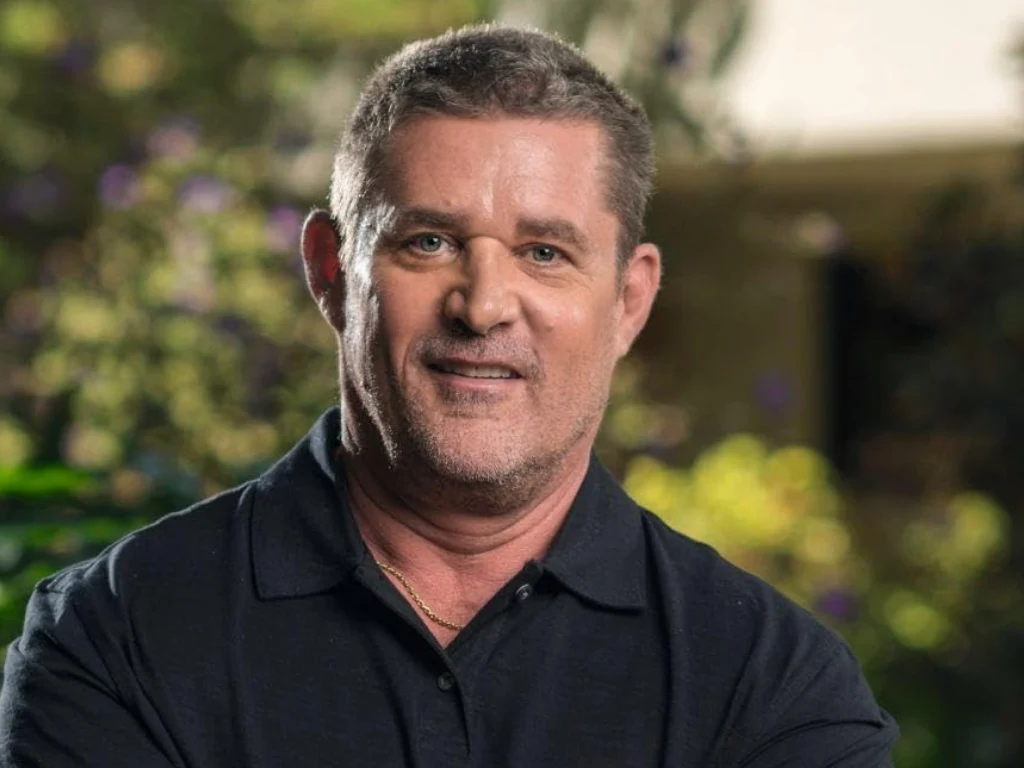
    Glen Schofield has been making headlines lately with his thoughts that are stirring up discussions in the gaming world. As the brain behind Sledgehammer Games and Striking Distance Studios, Schofield opened up a whole new topic when he shared his feelings about the “bittersweet” changes happening at major video game publishers, Electronic Arts and Activision.

    Reflecting on His Journey

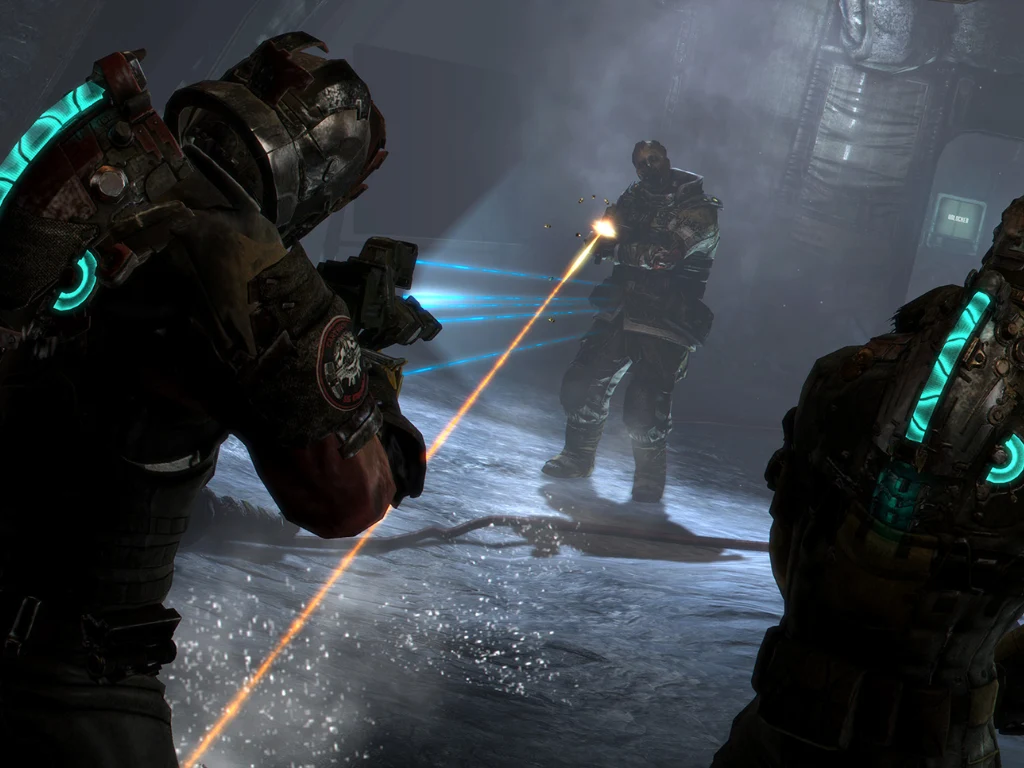
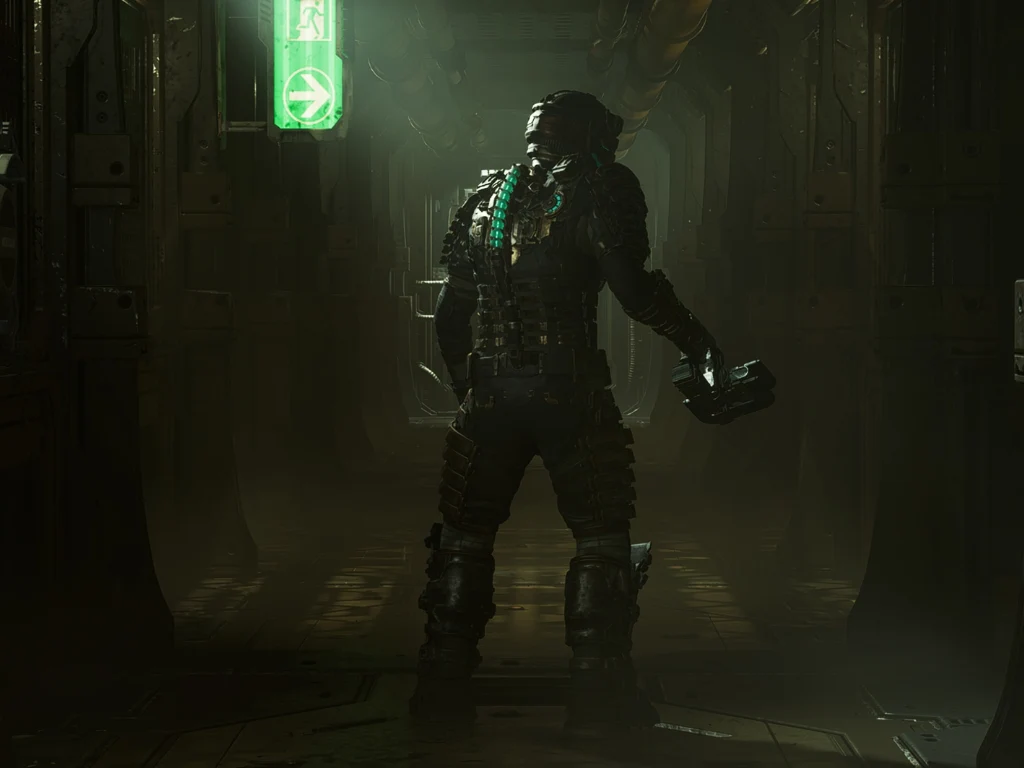
    Schofield led the creation of Dead Space at EA back in 2008 and was involved in its spiritual successor, The Callisto Protocol, before leaving Striking Distance earlier in 2023. In a post on LinkedIn, he reflected on his ten years at both firms during their peak times.

    With news breaking about EA’s shift towards private ownership through a $55 billion deal involving Saudi Arabia’s PIF, Silver Lake, and Affinity Partners—similar to Microsoft’s acquisition of Activision Blizzard—Schofield decided to share his thoughts on LinkedIn.

    Changes in the Industry

    He compared the two companies, saying, “In the span of just a few years, the two publishing giants who shaped the last 20+ years of our industry have both entered new eras.”

    Schofield shared his feelings about his experiences at both studios, explaining that:

    I spent about a decade at each place, right in their primes. Seeing them lose their status as leading publishers and great training grounds hits harder than I thought.

    It’s understandable why Schofield sees EA and Activision as key places for talent. He further explained:

    EA was strict, organized, and structured in a way that made you rise to the occasion. Franchise reviews were tough, with no shortcuts or guessing.

    You needed to understand every detail of your game. They would push and challenge you, but once you left that meeting, you understood exactly where you stood.

    Different Environments

    He found Activision to be a different experience, describing it as:

    Where review meetings were loud, full of passion, and somewhat chaotic, with people asking questions over each other. Yet, these questions were sharp, focused, and always aimed at improving the game.

    A one-hour meeting often stretched to two and a half, but it felt worthwhile somehow.

    Schofield wandered down memory lane, noting that both companies shaped and nurtured a new wave of developers, but that era seems fleeting considering the recent acquisitions.

    He wrapped up his thoughts with:

    It’s hard to see these companies step back from what they used to be: major publishers, major developers, and amazing places to grow, learn, and refine your skills. They trained generations of us. Mine included.

    His remarks come at a time when the entire industry is facing challenges with numerous layoffs as AI becomes more integrated into games, and publishers and developers are striving for profitability amidst rising costs and stiff competition. His insights give a glimpse into how developers perceive two of the most significant game publishers in the industry, even while facing ongoing uncertainty.

    Source:
    Link


  • Ex-Modern Warfare Director Warns Call of Duty May Lose Identity

    Ex-Modern Warfare Director Warns Call of Duty May Lose Identity

    Key Takeaways

    1. Concerns About Corporate Culture: Schofield worries that Microsoft’s corporate culture may clash with the creative teams behind Call of Duty, similar to issues seen in other franchises like Halo and Gears of War.

    2. Questions About Future Titles: He raised concerns about the fate of established franchises, noting that many valuable games have been neglected after being acquired by large corporations.

    3. Creative Talent Exodus: The departure of experienced staff from Call of Duty teams raises concerns about the franchise’s creative direction and quality, with Schofield highlighting his own exit and that of other key figures.

    4. Mixed Reception for Modern Warfare 3: Modern Warfare 3 (2023) received poor reviews despite being a top seller, indicating a disconnect between sales success and player satisfaction.

    5. Fear of Creative Stagnation: Schofield believes that the integration into Microsoft could lead to a loss of motivation and unique vision among developers, potentially harming the franchise’s future creativity.


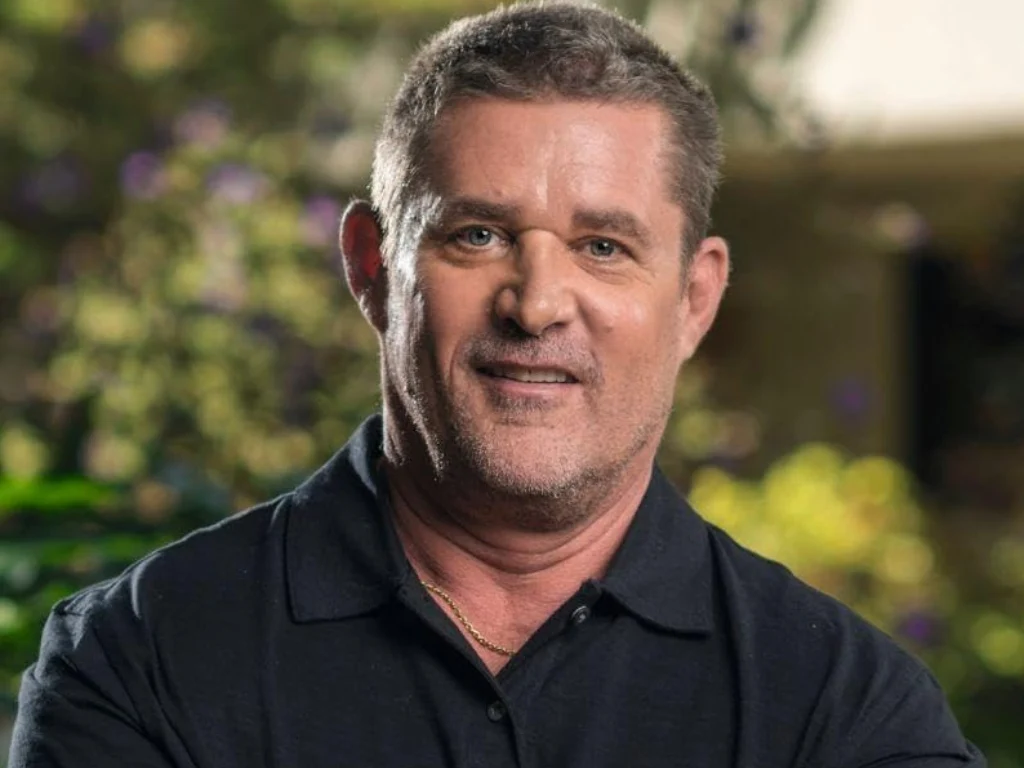
    Sledgehammer Games co-founder Glen Schofield, who has previously directed several titles in the Call of Duty series, has shared his worries about the future of the franchise after Microsoft’s acquisition of Activision Blizzard.

    Concerns Over Corporate Culture

    In an interview with VGC at Gamescom Asia in Bangkok, Schofield highlighted potential mismatches between Xbox’s corporate culture and the creative teams involved in Call of Duty. He compared this situation to issues seen in other Microsoft-owned franchises like Halo and Gears of War, suggesting that these games have experienced downturns.

    Expressing his anxiety, Schofield said, “I worry about it immensely, I really do,” while referencing Microsoft’s past with established franchises as a cause for concern.

    Questions About the Future

    He raised questions like, “What’s happening to Gears of War, where’s Halo… you know what I mean? And look at EA, you look at these big companies, and I’m like, where are the Strike games? Where’s this game? And there are so many that just fall by the wayside.”

    Schofield elaborated on his worries about cultural assimilation, suggesting that once studios become part of a large corporation like Microsoft, they may lose their unique motivations and ambitions.

    He speculated that the attractive bonus system that has historically rewarded developers for Call of Duty’s success might be replaced by Microsoft’s more standardized pay structure. This, he believes, could lead to a decrease in motivation among the staff.

    Creative Talent Exodus

    He mentioned, “Unfortunately, once you’re assimilated by one of these companies, I think you take on some of their traits. The other thing is, I don’t know, but I would imagine that the Call of Duty bonus system is out, and now you have theirs, and people are going to go ‘that isn’t that’.”

    Schofield supported his fears regarding the franchise’s creative decline by pointing out the departure of experienced talent from the Call of Duty teams, including his own exit alongside co-founder Michael Condrey and longtime Treyarch designer David Vonderhaar, who left in 2023 after almost two decades.

    He criticized the quality of recent releases, stating, “I hate doing this, but since I left Sledgehammer, none of the games have been very good. I mean, the last one (Modern Warfare 3, 2023) was a 50. They still sell well. You know, that happens.”

    Mixed Reception for Modern Warfare 3

    Modern Warfare 3 (2023) received a Metacritic score of 56 and a generally unfavorable user score of 2.3 out of 10, with players expressing disappointment that they felt they were playing an expanded DLC rather than a standalone game. Yet, it was the best-selling game in the U.S. for November and December, finishing the year as the second best-seller behind Hogwarts Legacy.

    While Microsoft believes that the acquisition has improved Call of Duty’s reach via Game Pass and Cloud Gaming, Schofield worries about creative stagnation among key studios under Microsoft’s management.

    Reflecting on his own career, he mentioned:

    “I feel like I got lucky. I feel like I was at the heyday of EA during my time there. I mean, it was a who’s who working there. And then I got to Activision, where I made Modern Warfare 3 (2011).”

    Indeed, Modern Warfare 3 was the last Call of Duty to win Action Game of the Year, and the other two games he worked on were also nominated. However, he noted, “But now, you know, you don’t see them.”

    Conclusion

    Whether Schofield’s concerns will come to fruition is still uncertain, but his views about the future of Call of Duty reflect a growing unease among veteran developers, many of whom continue to work on the franchise today.

    Source:
    Link


  • AI is Here: Glen Schofield on Embracing Technology in Gaming

    AI is Here: Glen Schofield on Embracing Technology in Gaming

    Key Takeaways

    1. Glen Schofield fully supports generative AI in game creation, believing it enhances creativity and efficiency.
    2. He actively uses AI tools like Midjourney to produce over 1,500 pieces of concept art for his upcoming project.
    3. Schofield anticipates AI will take 5-10 years to evolve into a fully functional engine, currently serving as a tool to make game production faster and cheaper.
    4. He compares AI’s impact on jobs in gaming to past technological shifts, noting that while some jobs may disappear, new roles, such as prompt engineers, may emerge.
    5. Schofield encourages embracing AI in gaming, likening its current skepticism to the early days of the internet, where widespread adoption eventually became the norm.


    Glen Schofield, who is famous for his work on games like Dead Space, The Callisto Protocol, and many Call of Duty titles, has expressed his strong support for generative AI in game creation. He stated he is “100%” in favor of this technology, even as discussions continue about its influence on the gaming world.

    Active Use of AI Tools

    In a recent chat with The Game Business, Schofield shared that he actively incorporates AI tools, particularly Midjourney, to create and gather over 1,500 pieces of concept art. He is convinced that AI enhances his creativity and efficiency for his forthcoming project.

    Insights on AI in Gaming

    Schofield elaborated on his engagement with AI, saying, “Everyone’s buzzing about AI. I’m right in the mix. The one thing people are excited about is that you can generate stunning concept art and cinematics. Do you know what the fans were saying? Don’t focus on cinematics.”

    He also pointed out that AI might take an additional five to ten years before it becomes a fully functional engine. For the moment, AI is just a set of tools that can assist in game development, making production “cheaper, more efficient, faster, and better.”

    Industry Changes and Historical Context

    AI has led to job cuts in the gaming sector, which Schofield compared to earlier technological shifts, mentioning how Photoshop replaced airbrush artists by offering quicker digital options, which eventually complicated and diversified the industry. He noted,

    “I remember when motion capture was supposed to eliminate jobs. Now, I see animation teams with 30 people. It always elevates the standards. It’s raising the bar for me as I brainstorm ideas and worlds. I wish I could foresee what jobs might emerge from this. I hear whispers about needing prompt engineers. And we likely will.”

    The Future of AI in Gaming

    Schofield also likened the current AI situation to the early internet days when many people were skeptical about its future widespread usage, but now “everyone has” a website. He concluded with, “AI is already here, so just embrace it.”

    The gaming landscape is shifting, as a recent survey conducted at the 2025 Game Developers Conference showed that one in three developers are using generative AI to optimize their workflows. Meanwhile, 30% of those surveyed viewed AI’s impact negatively, marking a 12% rise in such concerns compared to the previous year.

    Source:
    Link


  • Glen Schofield on Stressful Fundraising in Today’s Game Industry

    Glen Schofield on Stressful Fundraising in Today’s Game Industry

    Key Takeaways

    1. Glen Schofield, a veteran in game development, may be leaving the industry after 34 years due to challenges in securing funding and competition in AAA gaming.

    2. He and his daughter worked on a new horror game idea that faced significant budget cuts, reducing the initial $17 million budget to as low as $2–5 million, leading to their decision to walk away from the project.

    3. Schofield’s recent game, The Callisto Protocol, received mixed reviews and fell short of sales expectations, prompting his departure from Striking Distance Studios.

    4. Following his exit, he expressed that the AAA gaming industry feels “on pause” and he is shifting focus to art and writing.

    5. Despite stepping back, Schofield remains open to future opportunities and appreciates the support from fans of his games.


    Glen Schofield, who is well-known for helping create the Dead Space series and starting Sledgehammer Games, has suggested that he might be done with the video game industry after a long and successful 34-year journey in game development.

    Challenges in Game Development

    In a revealing LinkedIn post on July 28, 2025, Schofield discussed the difficulties he faced while looking for funding for a new horror game and the fierce competition in today’s AAA gaming scene. He shared:

    “Game industry, it’s tough out there. Over the past eight months, I’ve been quietly working with my daughter, Nicole, on a new game idea. She came to me with it, and I immediately loved the idea. Something I hadn’t seen before. We’ve been calling it a new sub-genre of horror–not just horror, but something more.”

    Budget Cuts and Team Changes

    The game was set to have a budget of $17 million, developed by a small U.S. team of six and a larger crew in the U.K. However, as discussions moved forward, publishers insisted on reducing the budget to a smaller $10 million limit, which eventually fell to a low of $2–5 million.

    Schofield explained why he decided to step back from the project:

    “So, last month, we decided to walk away. Some new ideas are better left untouched than done cheaply. We had a team of six in the States and a full crew in the UK. Now, everyone’s looking for work. They’re all talented folks – if you’re hiring, let me know.”

    After The Callisto Protocol

    Schofield’s exit comes after he directed The Callisto Protocol in 2022 at Striking Distance Studios, which he established in 2019. The game underwent several narrative changes, starting with concepts linked to the PUBG universe before transforming into a standalone sci-fi horror experience.

    Sadly, the game got a mixed response, scoring 69/100 on Metacritic due to various bugs and performance troubles. According to SteamDB, The Callisto Protocol sold 2 million copies and reached a peak of 17,580 concurrent players.

    This performance was significantly below Krafton’s target of 5 million sales. Following this lack of commercial success, Schofield chose to leave Striking Distance in September 2023, with Steve Papoutsis taking over the role of CEO.

    Future Plans

    With Schofield mentioning that the AAA industry is currently “on pause,” he has returned to focusing on art and writing. Yet, he remains open to potential opportunities, stating: “Who knows? If so, thank you for playing my games.”

    Source:
    Link