
Tag: GitHub Copilot

  • GitHub Copilot Credit Caps Cause Workspace Lockouts

    GitHub Copilot Credit Caps Cause Workspace Lockouts

    Key Takeaway

    – Annual subscribers face up to 4x faster quota depletion due to new hidden request multipliers.
    – Advanced reasoning models now consume 6x to 27x more requests per interaction than last month.
    – No warnings or transition buffers were provided before workspace lockouts occurred.
    – Emergency credit purchases are blocked for accounts with lower verification or age limits.
    – Teams must throttle usage, wait for resets, or accept forced enterprise upgrades.


    So, annual subscribers who thought they were shielded from Microsoft’s usage-based billing transition are now waking up to completely exhausted accounts—no joke. While monthly users face immediate out-of-pocket adjustments from the recent GitHub Copilot pricing change, developers on legacy annual contracts are hitting a hidden rate multiplier trap that drains their request quotas up to four times faster than last week. No warnings. No transitional buffers. Just sudden workspace lockouts.

    The Silent Policy Shift Behind the Quota Drain

    The friction actually stems from a quiet policy modification implemented alongside the June 1 system launch. Annual subscribers do not receive direct token bills, but the underlying weight of their remaining premium request limits has shifted drastically. Under the updated terms, selecting advanced reasoning models now consumes multiple requests from a user’s fixed monthly allotment simultaneously—essentially, a single interaction can eat up what used to be four or five.

    How the Multiplier Penalty Accelerates Burn Rates

    The mathematical shift is actually catching high-volume engineering teams completely off guard. In May, running a complex query through a frontier reasoning model like Claude Opus 4.7 consumed 7.5 premium requests per interaction. As of this week, that exact same single prompt carries a 27x multiplier penalty. OpenAI’s GPT-5.4 similarly jumped from a base value of 1x to a 6x penalty per request. These numbers are not typos—they are the new reality for anyone relying on Copilot’s advanced reasoning.

    • Claude Opus 4.7: 7.5 requests → 27x multiplier now
    • GPT-5.4: 1x base → 6x penalty now

    The real-world impact is immediate. Annual developers who typically spaced their quotas across a full billing cycle are burning through entire monthly limits within 72 hours of light usage. No massive codebase transfers took place. No platform abuse occurred. Just standard, daily development habits are wiping out allowances—leaving teams scrambling for answers.

    Secondary Safeguards Blocking Emergency Credit Purchases

    The crisis is compounded by a secondary safeguard buried deep within GitHub’s billing infrastructure. Independent developers attempting to buy emergency AI credits to unlock their environments are running into rigid spending limits tied to account age and verification history. Accounts bound by lower compliance thresholds cannot add manual funds without resetting entire organizational agreements—a process that can take days or weeks to complete.

    For these users, hitting the credit cap kills premium reasoning engine access instantly. Development teams now face a brutal operational choice: throttle daily workflows, wait for a monthly reset, or swallow a forced enterprise contract upgrade. None of these options are particularly palatable for small teams or solo developers.

    Microsoft’s Justification vs. Developer Reality

    Microsoft claims the structural change aligns costs with actual backend hardware computing power. However, the immediate execution is forcing engineers to treat tool interaction as a fluctuateing financial liability rather than a predictable utility. Teams that treat developer tools as static quarterly expenses are highly exposed right now—and many are only realizing this after their accounts have already been locked.

     

    Sources
  • GitHub Copilot ends flat-rate pricing, angering developers

    GitHub Copilot ends flat-rate pricing, angering developers

    Key Takeaway

    – Token-based billing replaces flat subscriptions: Copilot now charges $0.01 per credit consumed from a monthly allowance, not a fixed price ceiling.
    – Hidden temporary spending caps block pay-as-you-go top-ups: If you hit your credit limit, you cannot buy more—only upgrade to a higher tier restores access mid-cycle.
    – Annual subscribers hit by sudden multiplier increases: Claude Opus went from 7.5x to 27x per request, GPT-5.4 from 1x to 6x, draining legacy quotas up to four times faster.
    – Usage costs can spike dramatically: A documented $500/month team usage recalculated to $5,290.92; a 20–30 minute Pro session burned 16% of the monthly credit allowance.
    – Business/Enterprise plans get pooled credits and promo buffers: Unused credits offset heavy users, with $30–$70 extra per user through August easing the transition.


    Microsoft switched GitHub Copilot from a flat subscription model to token-based billing on June 1, and 4.7 million paid subscribers woke up to a product that now charges for every token used in each interaction. The backlash was immediate… and the details emerging today make it worse than the headline suggested.

    How the new token system works

    GitHub AI Credits have replaced flat-rate subscriptions, with one credit costing $0.01 and each consumed according to token usage across inputs, outputs, and cached context. Base subscription prices are unchanged – Copilot Pro stays at $10 per month, Pro+ at $39, Business at $19 per user, and Enterprise at $39 per user – but those figures now describe a monthly credit allowance, not a spending ceiling. Code completions and Next Edit Suggestions remain unlimited and free. Everything else draws from the credit pool.

    Hidden restrictions causing outrage

    Two details buried in GitHub’s official FAQ are fuelling the loudest anger today. First, hitting your monthly credit limit does not unlock pay-as-you-go top-ups for everyone. GitHub has implemented temporary spending caps tied to account age and verification status. Developers who hit that hidden ceiling cannot purchase additional credits… the only path to restoring premium features mid-cycle is upgrading to a higher subscription tier.

    Second, annual subscribers who stayed on the legacy premium request system believing they were protected until renewal have been caught by a quiet multiplier change implemented on June 1. Claude Opus 4.7 now carries a 27x multiplier per request, up from 7.5x. GPT-5.4 jumped from 1x to 6x. Annual users are not receiving direct token bills, but their legacy request quotas are now draining at up to four times the previous rate.

    Real costs impact developers hard

    Concrete data shared across developer forums today puts scale to the backlash. A viral enterprise dashboard screenshot showed a team whose historical monthly usage previously billed at $500.35 recalculating to an estimated $5,290.92 under token metering. On the $10 Pro tier, one developer documented a 20-to-30-minute session refining an existing code change burning 16% of their entire monthly credit allowance in a single sitting.

    Some positive aspects for organiziations

    Business and Enterprise plans do include one genuine saving grace: credits are fully pooled at the organisation level. Unused allowances from low-usage team members automatically offset heavy token consumption from developers running intensive agentic sessions. GitHub is also applying promotional credit buffers through August, $30 extra per user for Business plans and $70 for Enterprise, to ease the immediate transition.

    GitHub’s Chief Product Officer Mario Rodriguez acknowledged in the April blog post that it had become common for a handful of requests to exceed the full plan price. Internal Microsoft documents obtained by journalist Ed Zitron indicated Copilot’s running costs had nearly doubled week-on-week since January 2026. The economics forced the change. The execution is what developers are fighting.

  • Microsoft Build 2026: June 2 Keynote Expectations

    Microsoft Build 2026: June 2 Keynote Expectations

    Key Takeaway

    – No Windows 12 announcement is confirmed.
    – AI-first event centered on agents, Copilot, and Azure AI Foundry.
    – Azure AI Foundry is a major focus for multi-model routing and cost governance.
    – Windows local AI and Copilot Runtime APIs are a dedicated track.
    – GitHub Copilot sessions cover agentic workflows and multi-agent integration.


    Microsoft’s big developer shindig kicks off in San Francisco on June 2

    The company has confirmed its main focus well ahead of time, with Build 2026 running June 2-3 at Fort Mason Center. Satya Nadella’s keynote will stream from 9:30 a.m. PT, and Microsoft has explicitly said there will be no Windows 12 announcement on the agenda.

    Session catalog and confirmed theme’s

    According to the official website, which already lists the session catalog, this is an AI-first developer event built around agents, Copilot, Azure AI Foundry, and Windows local AI capabilities. The event spans agentic AI workflows, advances in GitHub Copilot, Azure AI Foundry platform updates, Windows-native AI development, and responsible AI tooling. Microsoft Agent 365, which is its enterprise control plane for AI agents, reached general availability on May 1, 2026, and Build is expected to expand on that foundation.

    Azure AI Foundry: a central thread across sessions

    Microsoft Foundry already supports models from OpenAI, Anthropic, Mistral, DeepSeek, and others, and Build sessions are expected to cover how developers route across those models, manage costs, and deploy agents into production. Cost governance has been a recurring theme from Microsoft’s recent enterprise communications, and Build will address how organizations monitor token consumption and enforce responsible AI policy at the platform level.

    Windows local AI and GitHub Copilot get dedicated tracks

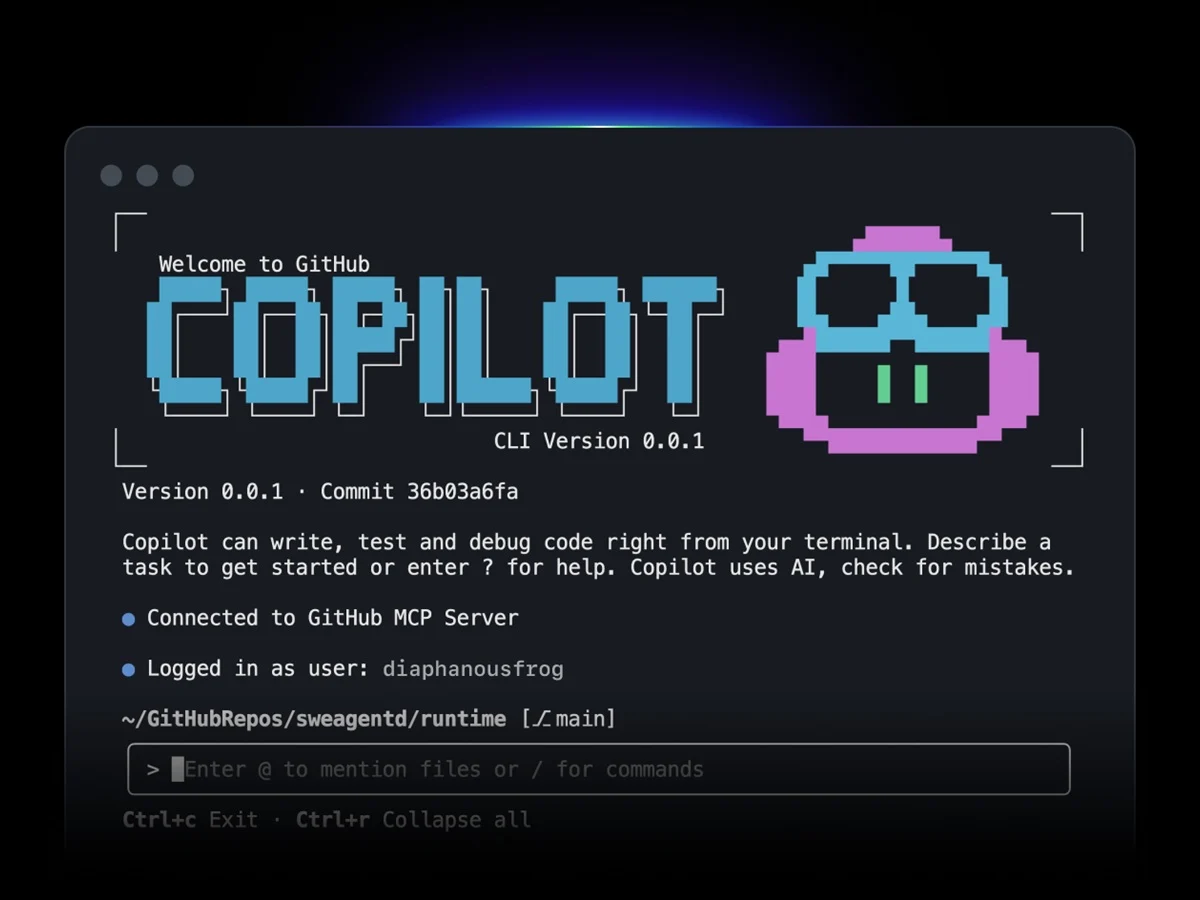
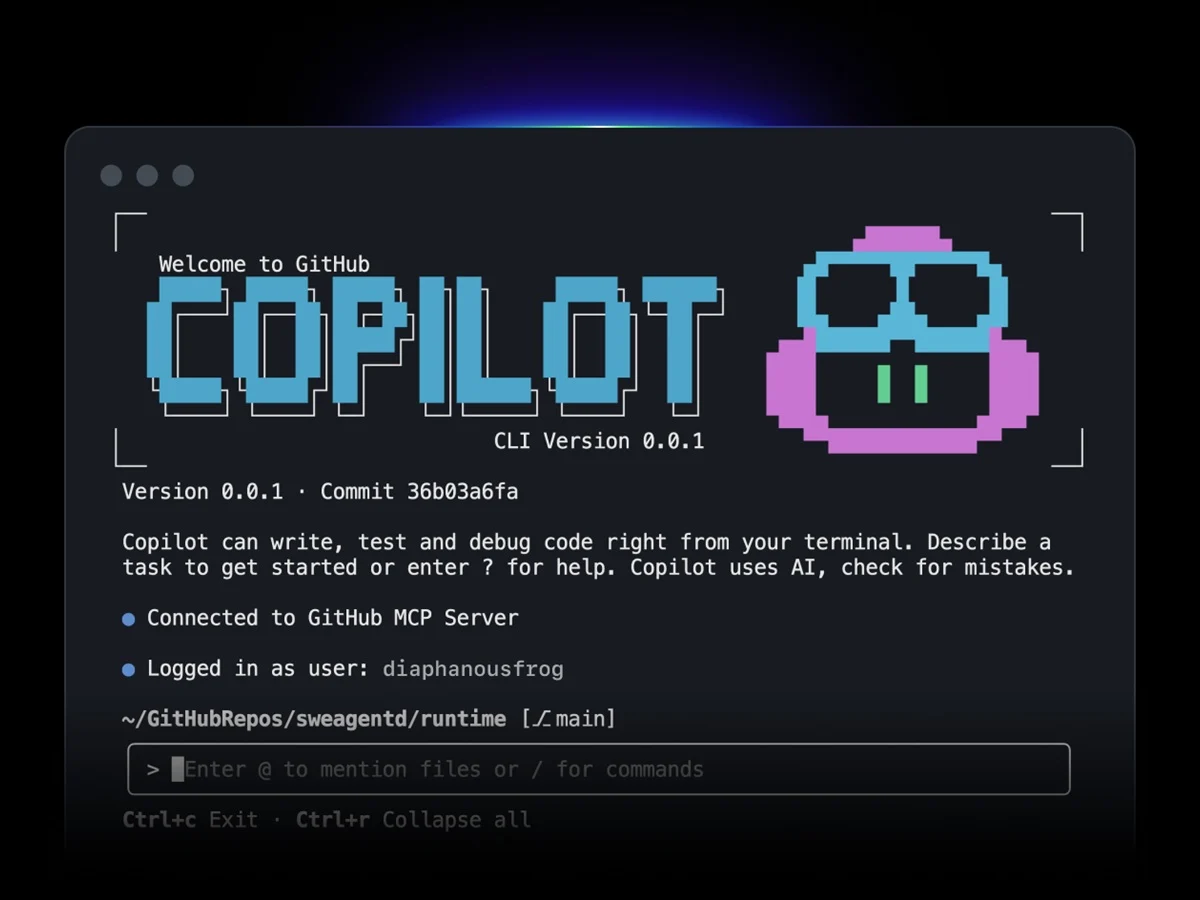
    Windows local AI is confirmed as a dedicated track at Build 2026. Microsoft has been building out on-device AI capabilities through Windows 11’s Copilot Runtime, and Build will provide developers with the APIs and tooling to build on that stack. The May 30 Windows 11 Insider build already introduced a fully customisable Start menu and expanded local AI capabilities, pointing to where the platform is heading ahead of the keynote. GitHub Copilot is also a confirmed focus area, with sessions covering agentic coding workflows, multi-agent support inside VS Code, and deeper GitHub-Azure integration. Copilot CLI reached general availability in March 2026, and Build is expected to extend that into multi-agent terminal workflows.

    Streaming details and availability

    The keynote streams free at build.microsoft.com and on Microsoft’s YouTube channel from 9:30 a.m. PT on June 2. All sessions will be available on demand after the event.

    Sources