
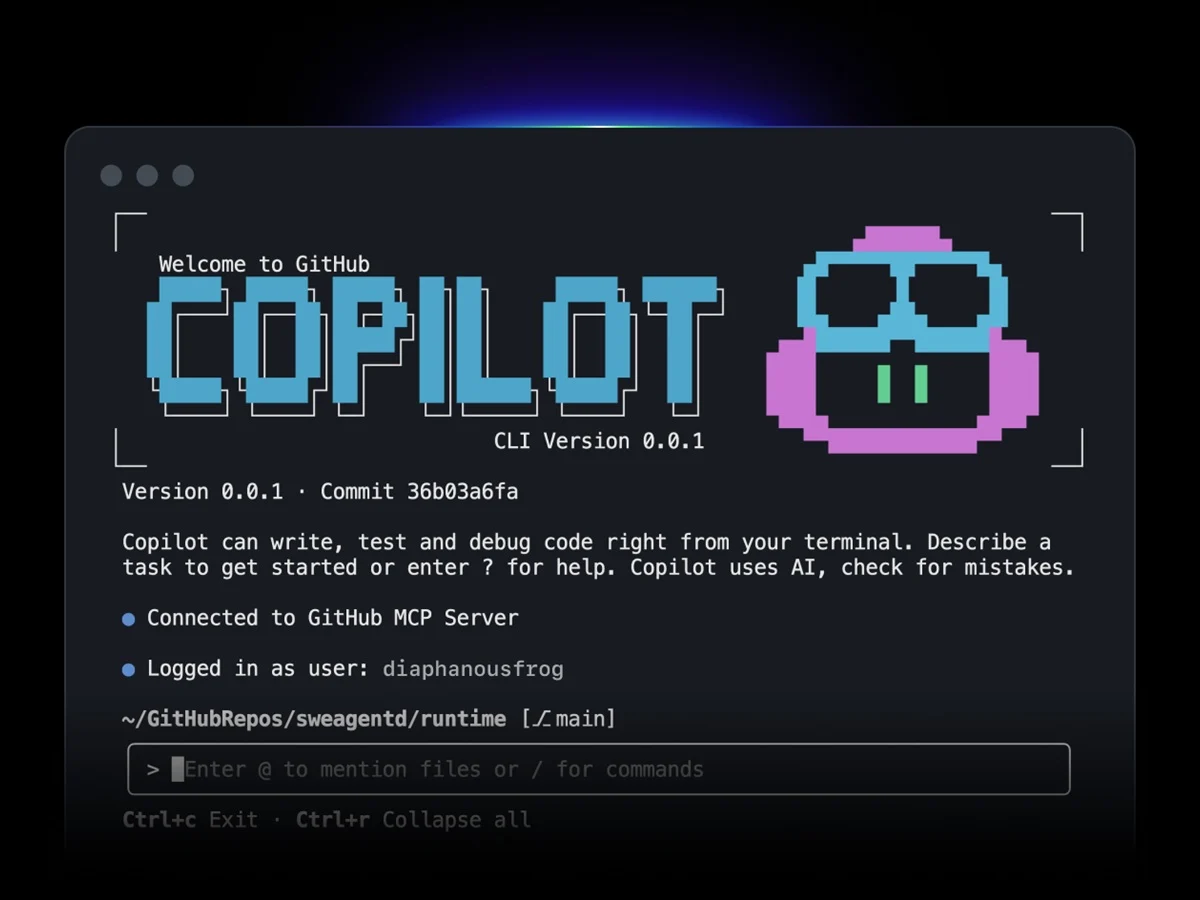
– Annual subscribers face up to 4x faster quota depletion due to new hidden request multipliers.
– Advanced reasoning models now consume 6x to 27x more requests per interaction than last month.
– No warnings or transition buffers were provided before workspace lockouts occurred.
– Emergency credit purchases are blocked for accounts with lower verification or age limits.
– Teams must throttle usage, wait for resets, or accept forced enterprise upgrades.
So, annual subscribers who thought they were shielded from Microsoft’s usage-based billing transition are now waking up to completely exhausted accounts—no joke. While monthly users face immediate out-of-pocket adjustments from the recent GitHub Copilot pricing change, developers on legacy annual contracts are hitting a hidden rate multiplier trap that drains their request quotas up to four times faster than last week. No warnings. No transitional buffers. Just sudden workspace lockouts.
The Silent Policy Shift Behind the Quota Drain
The friction actually stems from a quiet policy modification implemented alongside the June 1 system launch. Annual subscribers do not receive direct token bills, but the underlying weight of their remaining premium request limits has shifted drastically. Under the updated terms, selecting advanced reasoning models now consumes multiple requests from a user’s fixed monthly allotment simultaneously—essentially, a single interaction can eat up what used to be four or five.
How the Multiplier Penalty Accelerates Burn Rates
The mathematical shift is actually catching high-volume engineering teams completely off guard. In May, running a complex query through a frontier reasoning model like Claude Opus 4.7 consumed 7.5 premium requests per interaction. As of this week, that exact same single prompt carries a 27x multiplier penalty. OpenAI’s GPT-5.4 similarly jumped from a base value of 1x to a 6x penalty per request. These numbers are not typos—they are the new reality for anyone relying on Copilot’s advanced reasoning.
- Claude Opus 4.7: 7.5 requests → 27x multiplier now
- GPT-5.4: 1x base → 6x penalty now
The real-world impact is immediate. Annual developers who typically spaced their quotas across a full billing cycle are burning through entire monthly limits within 72 hours of light usage. No massive codebase transfers took place. No platform abuse occurred. Just standard, daily development habits are wiping out allowances—leaving teams scrambling for answers.
Secondary Safeguards Blocking Emergency Credit Purchases
The crisis is compounded by a secondary safeguard buried deep within GitHub’s billing infrastructure. Independent developers attempting to buy emergency AI credits to unlock their environments are running into rigid spending limits tied to account age and verification history. Accounts bound by lower compliance thresholds cannot add manual funds without resetting entire organizational agreements—a process that can take days or weeks to complete.
For these users, hitting the credit cap kills premium reasoning engine access instantly. Development teams now face a brutal operational choice: throttle daily workflows, wait for a monthly reset, or swallow a forced enterprise contract upgrade. None of these options are particularly palatable for small teams or solo developers.
Microsoft’s Justification vs. Developer Reality
Microsoft claims the structural change aligns costs with actual backend hardware computing power. However, the immediate execution is forcing engineers to treat tool interaction as a fluctuateing financial liability rather than a predictable utility. Teams that treat developer tools as static quarterly expenses are highly exposed right now—and many are only realizing this after their accounts have already been locked.