Key Takeaways
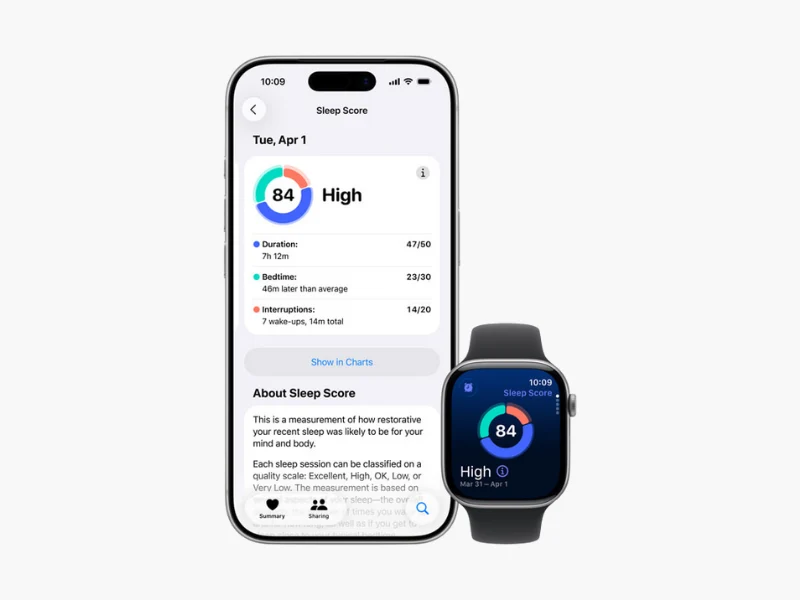
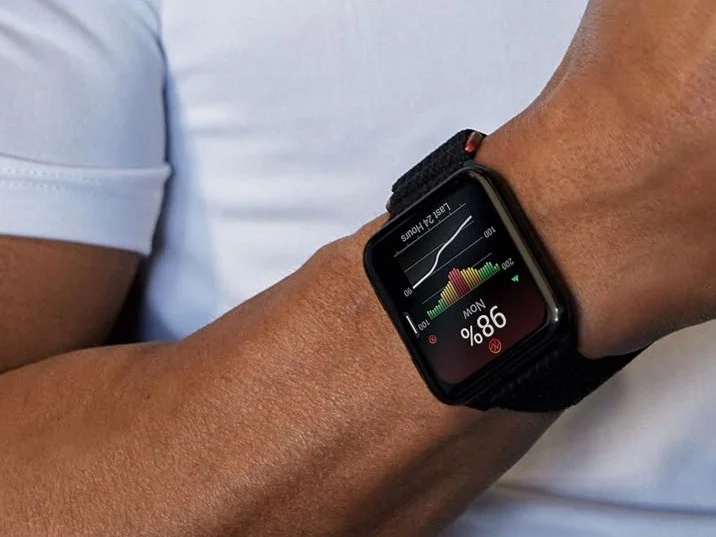
1. Affordable wearables now monitor various health indicators, including heart rate and blood oxygen levels.
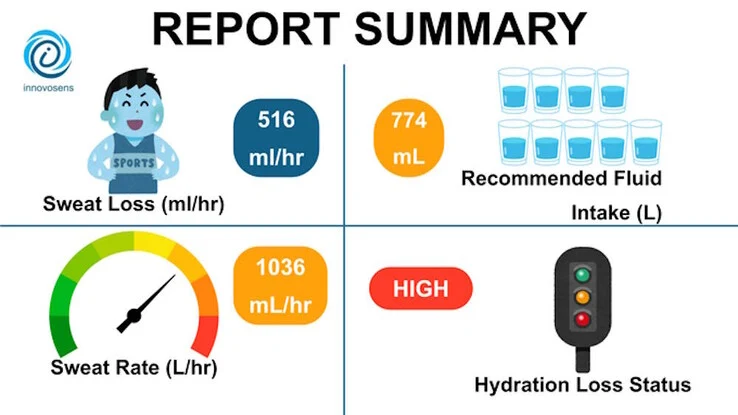
2. The Hydrosense AI Sweat Sensor provides real-time hydration data using colorimetric technology but is costly and single-use.
3. Users may consider measuring fluid loss once and using that data for future workouts instead of buying expensive sensors.
4. The Hydrosense app offers hydration level tracking and personalized fluid intake suggestions.
5. Crowdfunding platforms like Kickstarter carry risks, and potential backers should research campaigns thoroughly before investing.
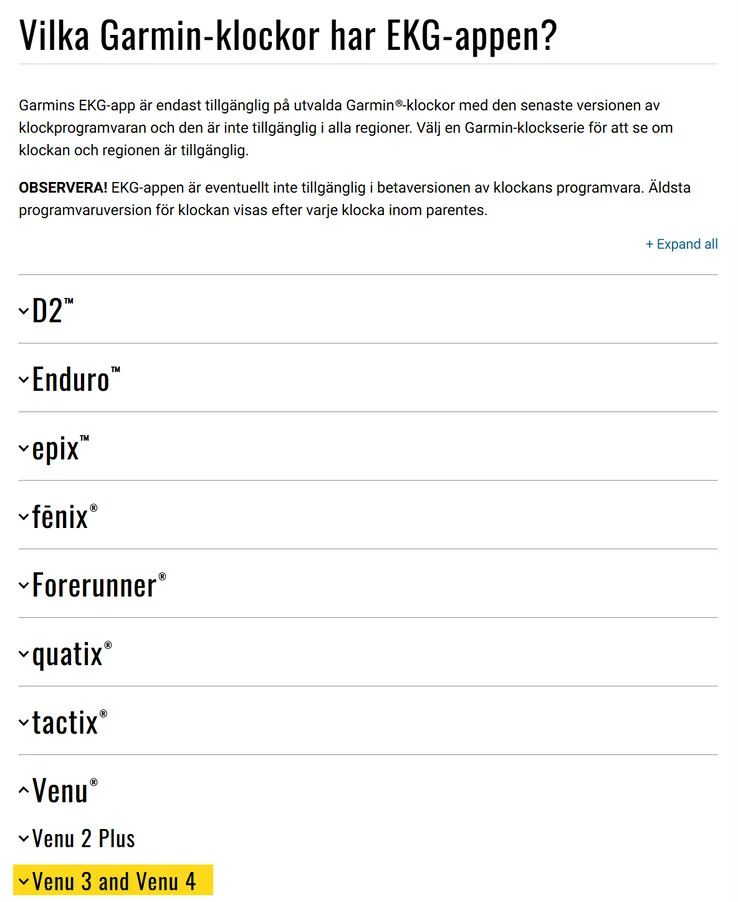
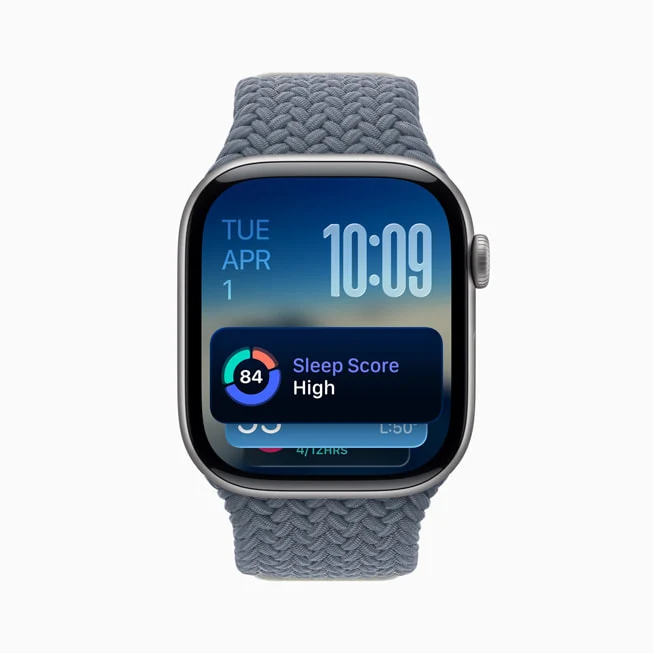
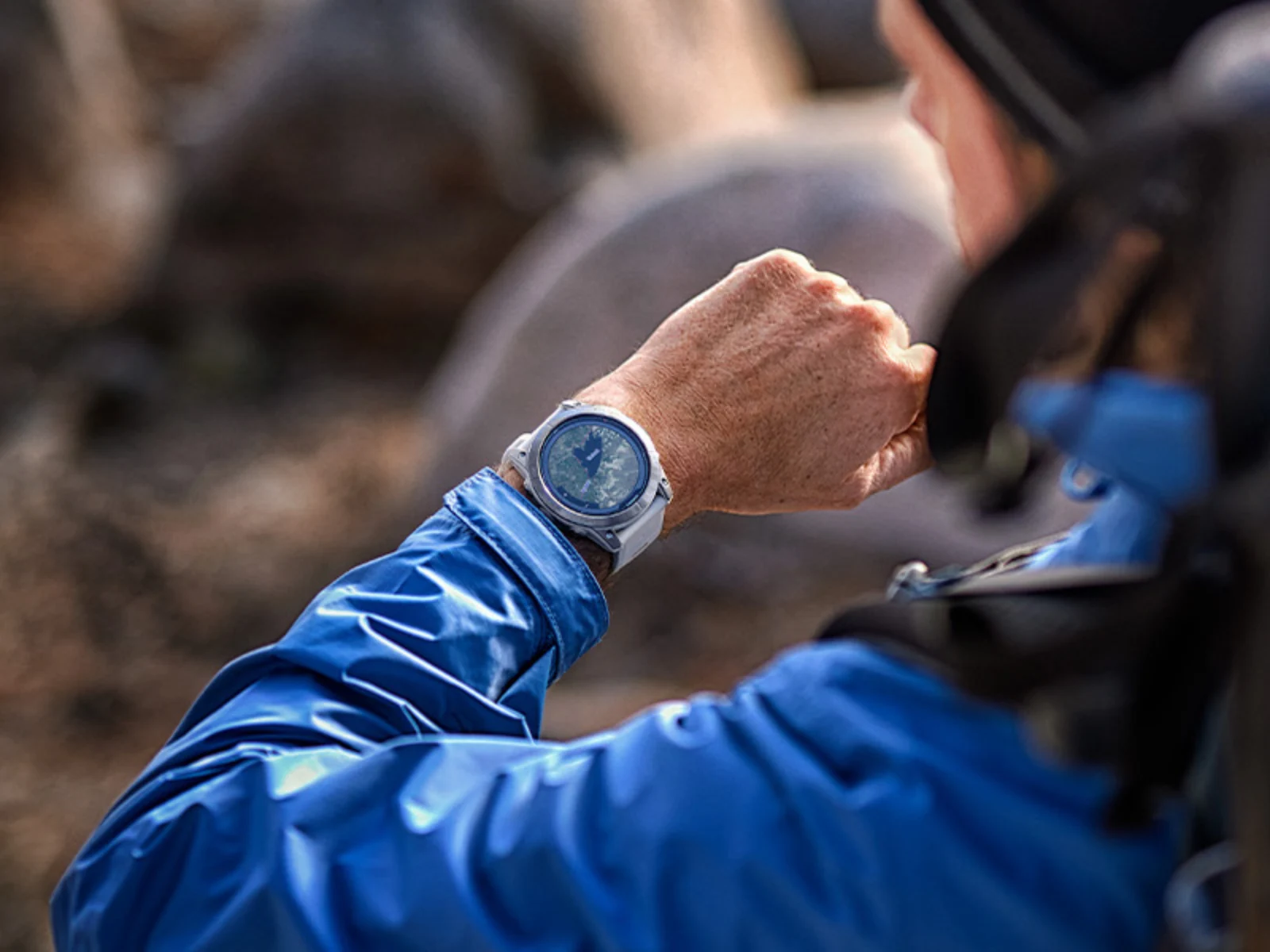
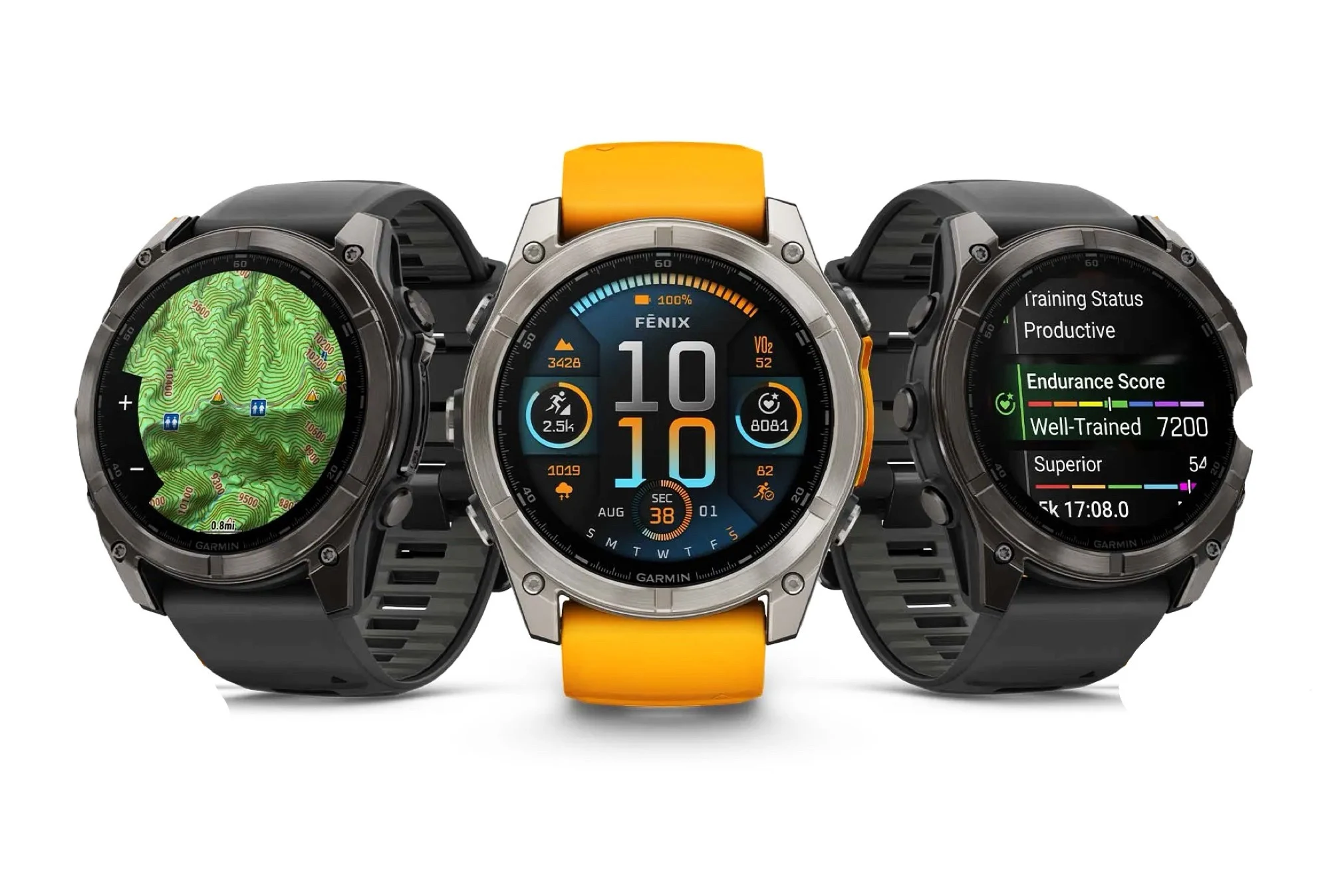
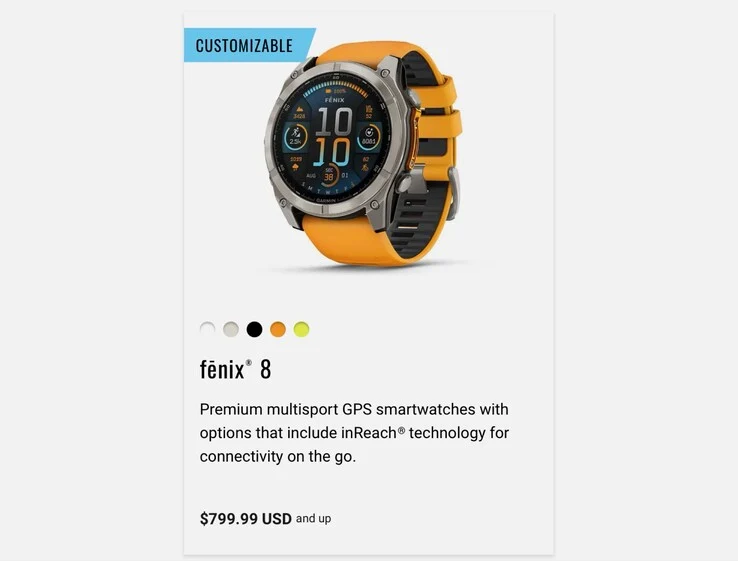
Nowadays, even affordable wearables can monitor a variety of health indicators like heart rate and blood oxygen saturation. Certain models from Garmin can even estimate how much sweat a person loses during workouts by taking into account the level of effort and the surrounding temperature.
New Wearable Technology
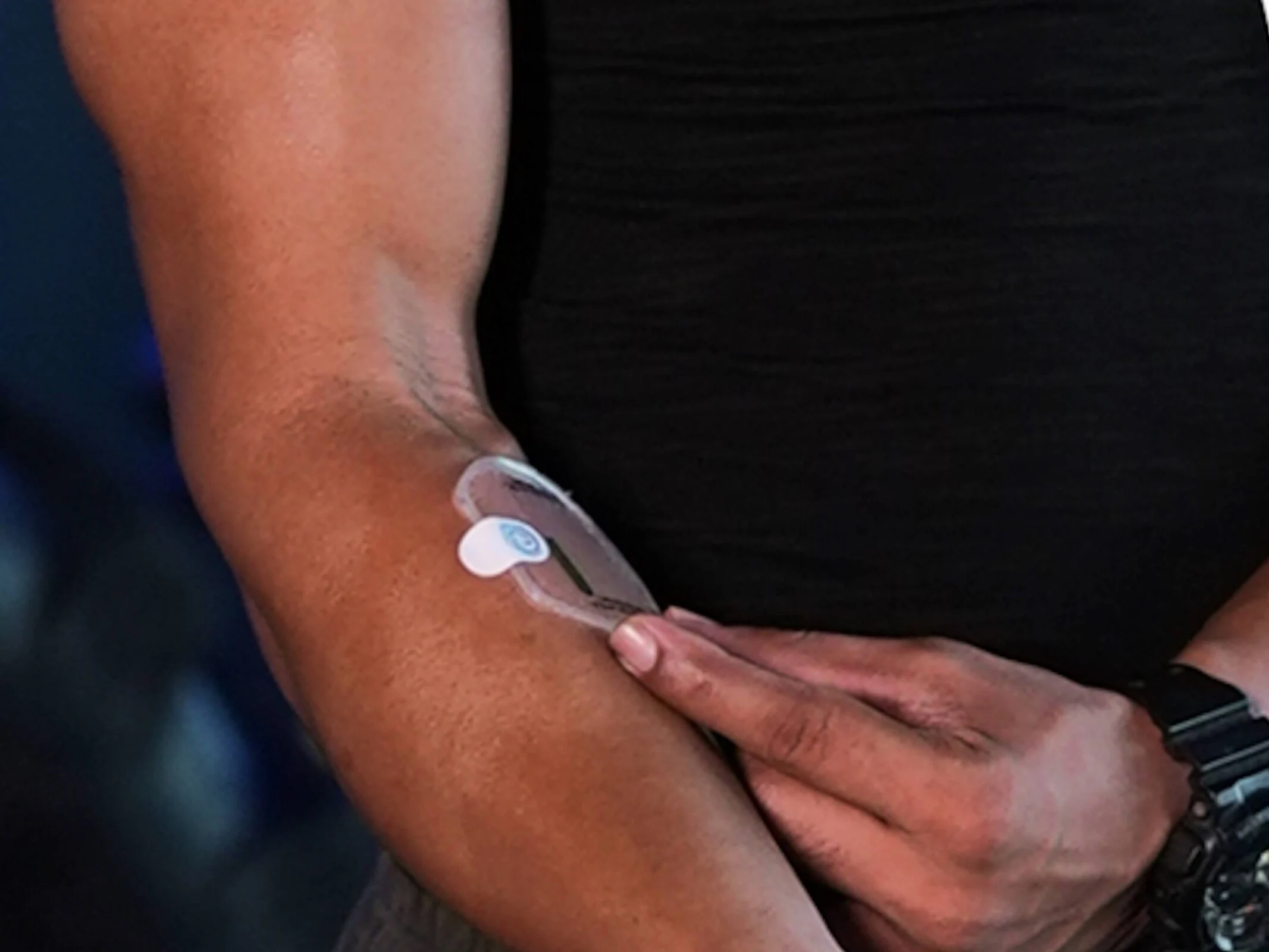
The Hydrosense AI Sweat Sensor is a cutting-edge device made to give hydration information based on actual data. According to the company that makes it, the gadget employs colorimetric tech to assess sweat directly, enabling users to observe their fluid and electrolyte depletion in real-time. These sensors are single-use and have a life span of just four hours. Even with its early bird price of $149 for ten sensors, Hydrosense appears to be quite pricey. Prospective buyers should also be aware of the financial uncertainties that come with supporting a crowdfunding initiative.
Considering Cost-Effective Options
In light of the system’s relatively steep price, users might find it better to measure their fluid loss once for certain types of exercises and intensities, then use the gathered data as a benchmark for future sessions. The Hydrosense also has an accompanying app that shows hydration levels and gives tailored suggestions for fluid consumption. As a nearly costless alternative, weighing oneself before and after a workout is still a straightforward and widely used method to estimate fluid loss.
Crowdfunding and Risks
Kickstarter and similar platforms can be great for new gadgets, but they come with their own sets of risks. It’s important for potential backers to do their homework and understand that not all campaigns succeed.
Source:
Link