Tag: Gaming Handhelds

  • OnePlus Launches Premium Android Smartphone for Handheld Gaming

    OnePlus Launches Premium Android Smartphone for Handheld Gaming

    Key Takeaway

    1. The distinction between gaming handhelds and tablets is narrowing, with more devices adopting Android OS.
    2. Accessories and controllers, like Lenovo’s transformable tablets and OnePlus’s Strix G15 for the Ace 6 Ultra, are bridging the gap between smartphones and gaming consoles.
    3. The OnePlus Strix G15 controller connects directly via USB-C, features ergonomic triggers and secondary buttons, but lacks face buttons and a joystick.

    The world of gaming gadgets keeps getting more interesting, as the line between handheld gaming devices shrinks and blurs with tablets. For years, handhelds mainly ran Linux or Windows, but now companies like Ayaneo, GPD, and others are switching over to Android for some of their models, like the recent Konkr Pocket Fit which costs around $399. The trend shows how the portable gaming scene is evolving to become more versatile and accessible.

    Innovations in Portable Gaming Devices

    Lenovo has been around with accessories for their gaming tablets, turning them into handheld styled consoles. Now, OnePlus has joined the party, recently launching the Strix G15 controller designed specifically for the Ace 6 Ultra smartphone. Right now, this phone and controller combo is only available in China, but it brings in some fresh ideas for mobile gaming.

    Design and Functionality Details

    The controller is notable because it attaches directly to the Ace 6 Ultra via its USB port. Covering the phone completely, it also features a USB Type-C port for pass-through charging, allowing the phone to stay powered during intense gaming sessions. Ergonomically placed triggers sit just beneath the player’s index fingers, providing easy access during gameplay. The design includes secondary buttons aligned near the triggers, targeted at enhancing the gaming experience.

    Features and Limitations

    Interestingly, the G15 doesn’t come with traditional face buttons, joysticks, or a D-pad, which are common in other controllers. Instead, it focuses on ergonomic grips with triggers and additional secondary buttons positioned for comfort. Plus, there’s a cutout for connecting a magnetic cooler, which OnePlus teased separately. Currently, the G15 is priced at CNY 449, about $65, but there’s no info yet on whether or when it will be available outside China.
    Sources

  • MagicX Explains Delays of Its Two Dream Handheld Consoles

    MagicX Explains Delays of Its Two Dream Handheld Consoles

    Key Takeaway

    1. The launch of MagicX’s Two Dream Light and Two Dream Pro is delayed due to high RAM costs, with the company waiting for prices to decrease before release.
    2. A prototype video of the Two Dream Pro emulating classic games like Super Mario Sunshine has been released.
    3. The Two Dream Pro features a 4.5-inch 1440 × 1080 display, MediaTek Dimensity 7300 processor, 4GB RAM, and 64GB storage; the Two Dream Light has similar display but lower specs.

    Update On The Two Dream Handhelds

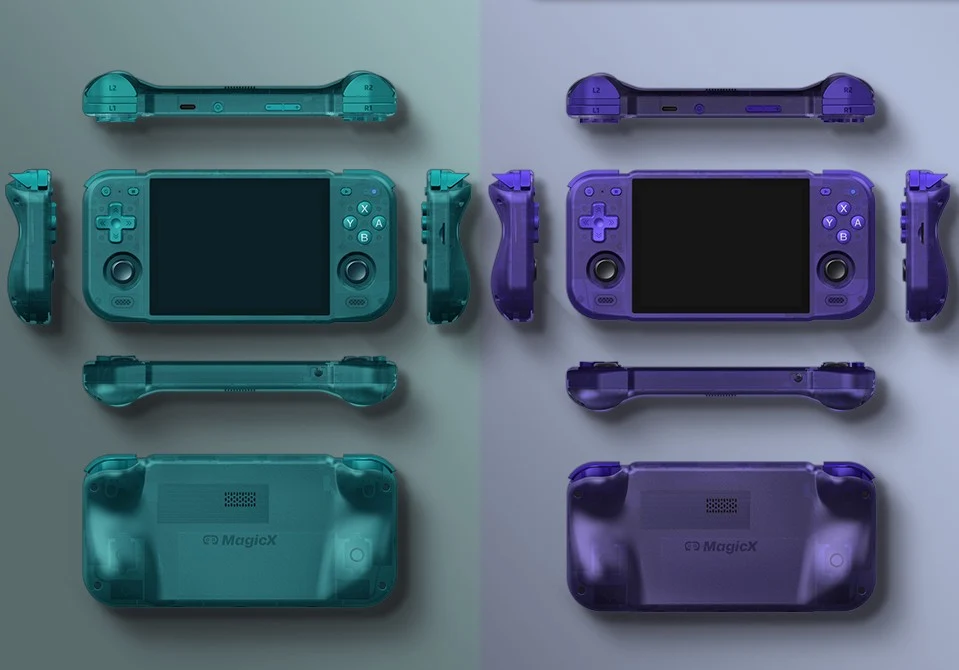
    It’s been more than two months since MagicX blast out the Two Dream Light and Two Dream Pro handhelds, but unfortunatly, no launch date was announced yet. The company recently shared some reasons behind this delay, which has caused fans to wait a little longer. They also posted a video showing the Two Dream Pro in action, giving us a glimpse at what’s to come.

    Reason for the Delay

    Talking to its Discord followers, MagicX mention that the main cause of the delay is because of the super high prices of RAM modules. To avoid releasing the devices at prices that are too high, they chose to slow down and wait until the cost of RAM drops to a more affordable range. Only then they plan to bring the handhelds out to the market, but when that will be, nobody knows exactly.

    Market Trends and Concerns

    With the current market, predicting when RAM prices will fall seems real tricky. Some companies raising their device prices, like Ayaneo, which announced a price hikes, while others just increased their costs. So, it’s uncertain how long the delay might be, and consumers could be waiting quite some time before they get their hands on these handhelds.

    Video Showcase of the Prototype

    The company also posted a demo video on Discord showing a prototype of the Two Dream Pro. In the clip, it’s seen emulating a few old school games, including Super Mario Sunshine, which was made for the Nintendo GameCube back in the early 2000s. The full video can be seen in the link below, giving all of us a tease of its capabilities and design.

    Specifications of the Handhelds

    The specs for the Two Dream Pro include a 4.5-inch display with resolution of 1440 x 1080 pixels, powered by a MediaTek Dimensity 7300 processor, with 4GB RAM and 64GB storage. On the other hand, the Two Dream Light features the same display size but with a weaker Helio G99 chip, only 3GB RAM, and 32GB storage. Both models feature Hall Effect joysticks, Hall Effect triggers, along with a gyroscope, microphone, and rumble features for immersive gameplay.

    Sources
  • TrimUI Brick Pro: A Strong Rival to Anbernic RG477V with Upgrades

    TrimUI Brick Pro: A Strong Rival to Anbernic RG477V with Upgrades

    Key Takeaways

    1. TrimUI is set to release a new gaming handheld called the TrimUI Brick Pro, featuring enhanced features compared to previous models.
    2. The Brick Pro will have an extra pair of joysticks located beneath the d-pad and ABXY buttons for improved gameplay.
    3. The display size of the Brick Pro has been increased from 3.2 inches to 4 inches.
    4. There is uncertainty about whether the Brick Pro will use the same Allwinner A133P chipset and 1 GB of LPDDR3 RAM as current Brick devices.
    5. The TrimUI Brick Pro is expected to be an affordable option in the gaming handheld market, potentially competing with the Anbernic RG477V.


    TrimUI has revealed some details about its upcoming gaming handheld. Last year, the company launched the Smart Pro S, which is currently priced at $109.99 on Amazon. This new version, a refined take on the Smart Pro, has improved features such as a better chipset, enhanced joysticks, and an active cooling system to avoid overheating.

    New Features for the Brick

    Now, it appears that TrimUI is preparing to do something similar with its Brick handheld. A recent pre-launch leak suggests that the new Brick device will stand out from previous models by having an extra pair of joysticks positioned beneath the d-pad and ABXY buttons. Furthermore, the display size has been increased from 3.2 inches to 4 inches for this latest model.

    Upcoming Release

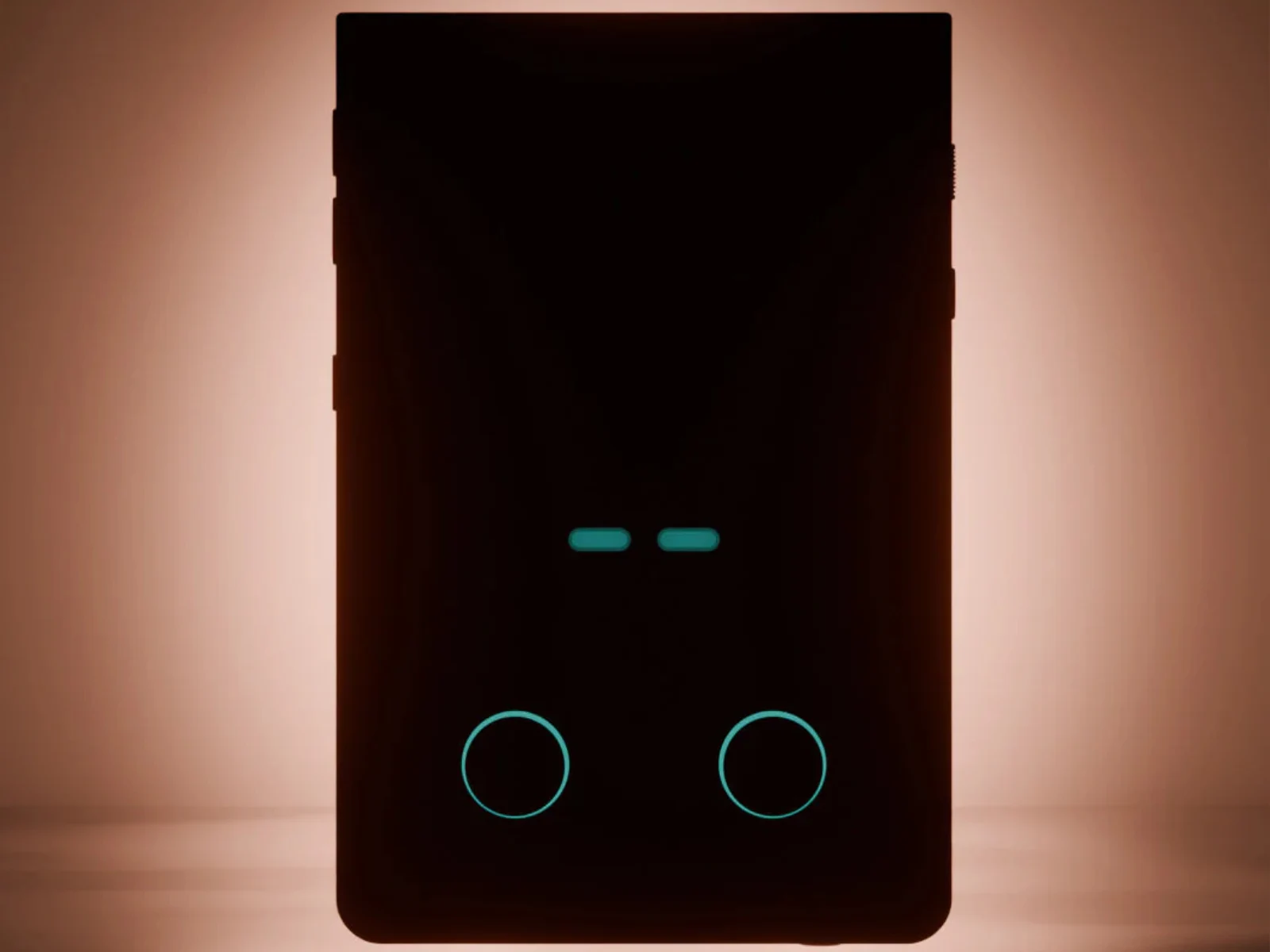
    Currently, TrimUI has only mentioned that it plans to launch this new vertical handheld under the name TrimUI Brick Pro. In the meantime, RetroDeadFred has provided a sneak peek image of the Brick Pro ahead of the official launch. However, it is still unclear whether TrimUI will stick with the Allwinner A133P chipset and 1 GB of LPDDR3 RAM that are found in the current Brick devices. Regardless, we believe the TrimUI Brick Pro may turn out to be an affordable option compared to the Anbernic RG477V.

    Source:
    Link


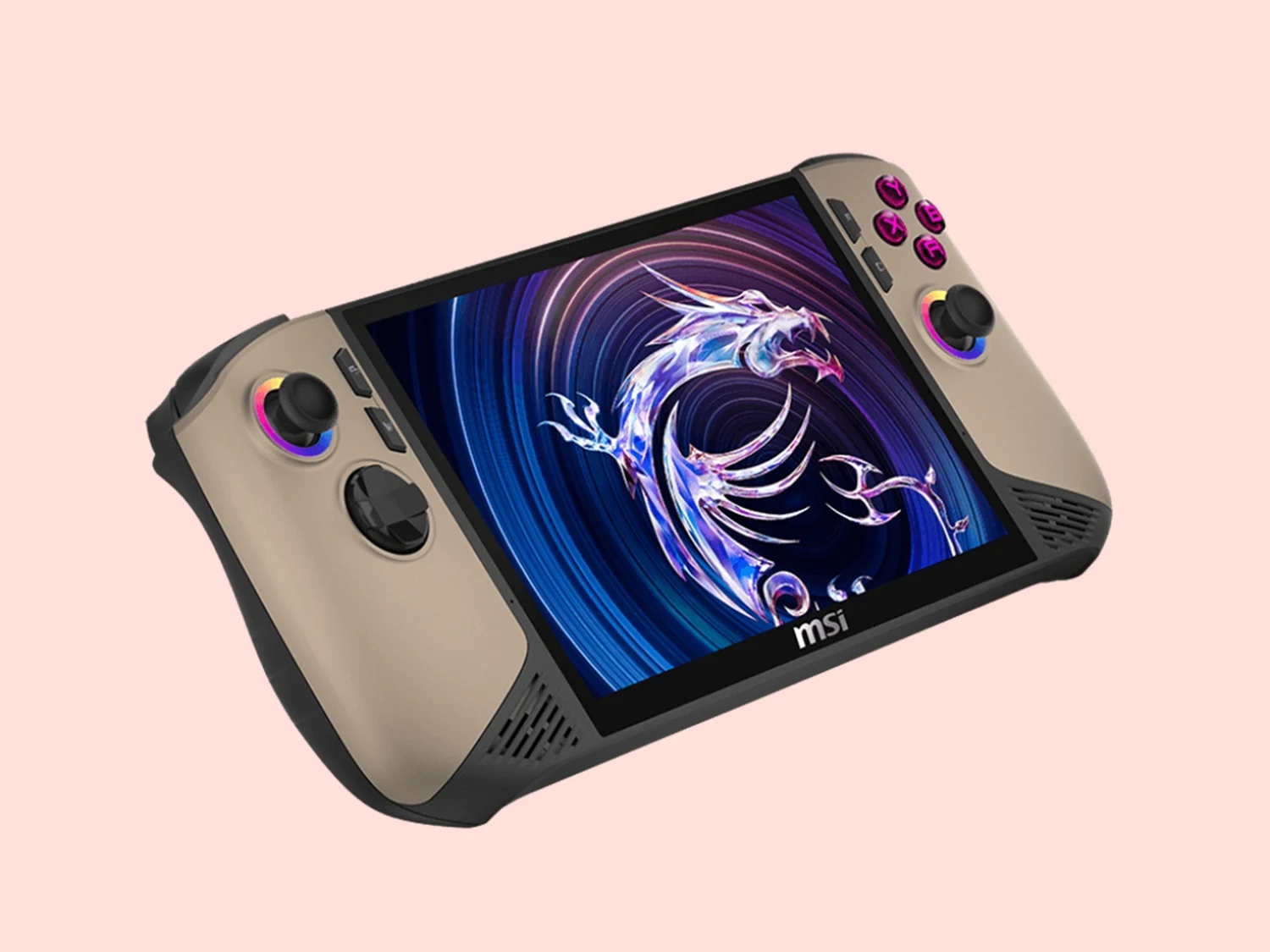
  • MSI Claw Lineup Adds Xbox Full Screen Support with Less RAM Use

    MSI Claw Lineup Adds Xbox Full Screen Support with Less RAM Use

    Key Takeaways

    1. Xbox FSE offers a user-friendly interface for MSI Claw device owners, optimizing controller use for Windows-based gaming.
    2. The update reduces system RAM consumption by over 5%, allowing for smoother gameplay and potentially higher FPS.
    3. Quick Settings can be easily accessed through the Xbox Game Bar, enabling one-click adjustments to power modes and system features.
    4. The MSI Claw can boot directly into the Xbox FSE interface for a focused gaming experience from startup.
    5. The update is available for download, with activation instructions provided for all MSI handhelds.


    With the introduction of Xbox FSE, owners of MSI Claw devices can enjoy their games through a more user-friendly and controller-optimized interface designed specifically for Windows-based gaming handhelds. This new gaming library brings together titles from various sources, such as Xbox Game Pass, Epic Games Store, and Steam.

    Enhanced Gameplay Experience

    The Xbox FSE also elevates the gaming experience. MSI states that this update lowers system RAM consumption by over 5 percent when compared to regular Windows desktops. This reduced resource use allows MSI Claw devices to allocate more memory for smoother gameplay and may even enable higher frames per second (FPS).

    Easy Access to Quick Settings

    Gamers can now easily access MSI Claw’s Quick Settings through the Xbox Game Bar, which means they can adjust power modes and utilize key system features with just one click. Since this feature is integrated into the gaming interface, there’s no need to return to the Windows desktop or open MSI utilities separately.

    Streamlined Boot Experience

    The MSI Claw can now start directly into the Xbox FSE interface, creating a gaming-focused experience right from the beginning.

    Source:
    Link


  • Valve Updates on Steam Deck 2 Plans After Steam Machine Launch

    Valve Updates on Steam Deck 2 Plans After Steam Machine Launch

    Key Takeaways

    1. Valve has launched new hardware, including the Steam Machine, but there is no news on the Steam Deck 2.
    2. Valve plans to release an enhanced version of the Steam Deck, but it will take time due to the need for significant technological advancements.
    3. The company is not interested in minor yearly upgrades, focusing instead on substantial improvements in performance and efficiency.
    4. Valve aims for a more significant performance increase rather than just incremental gains at the same battery life.
    5. The current handheld market has seen devices with high performance, but these often rely on external batteries, which Valve is not keen on.


    Valve has recently unveiled a fresh batch of hardware, and among them is the Steam Machine. This product represents Valve’s attempt to penetrate the home console market, yet there’s still no news about the anticipated Steam Deck 2. Despite this, the company did give some updates regarding their next-gen gaming handheld.

    Future Plans for Steam Deck

    In a chat with IGN, Pierre-Loup Griffais, a software engineer at Valve, mentioned that the firm intends to introduce an enhanced version of the Steam Deck in the future. Nevertheless, the timeline for this release appears to be more in the distant future, primarily due to the current technological landscape.

    Griffais echoed sentiments shared by Lawrence Yang from Valve, who pointed out that the company is waiting for a significant leap in both performance and efficiency. Reflecting on past comments, Yang had also mentioned to Reviews.org in 2024 that Valve is not keen on making minor upgrades every year, a principle that the company continues to uphold.

    Performance Expectations

    During the IGN discussion, Griffais emphasized that the team isn’t aiming for just a “20 or 30 or even 50% more performance at the same battery life.” Instead, Valve is looking for a change that is “a little bit more demarcated than that.” He indicated they have a “pretty good idea” about what the next Steam Deck could entail, but he also highlighted that there’s currently no System on Chip (SoC) option that meets Valve’s high standards.

    The Current Handheld Market

    Examining the current market, it’s clear that gaming handhelds have made significant strides in performance. Devices such as the OneXFly Apex and GPD Win 5 provide RTX 4070 Laptop-level GPU performance in a compact form. However, both of these options depend on external batteries (like the 100 W Anker 25K power bank, currently priced at $91.99 on Amazon), which is likely not something Valve is enthusiastic about.

    Source:
    Link


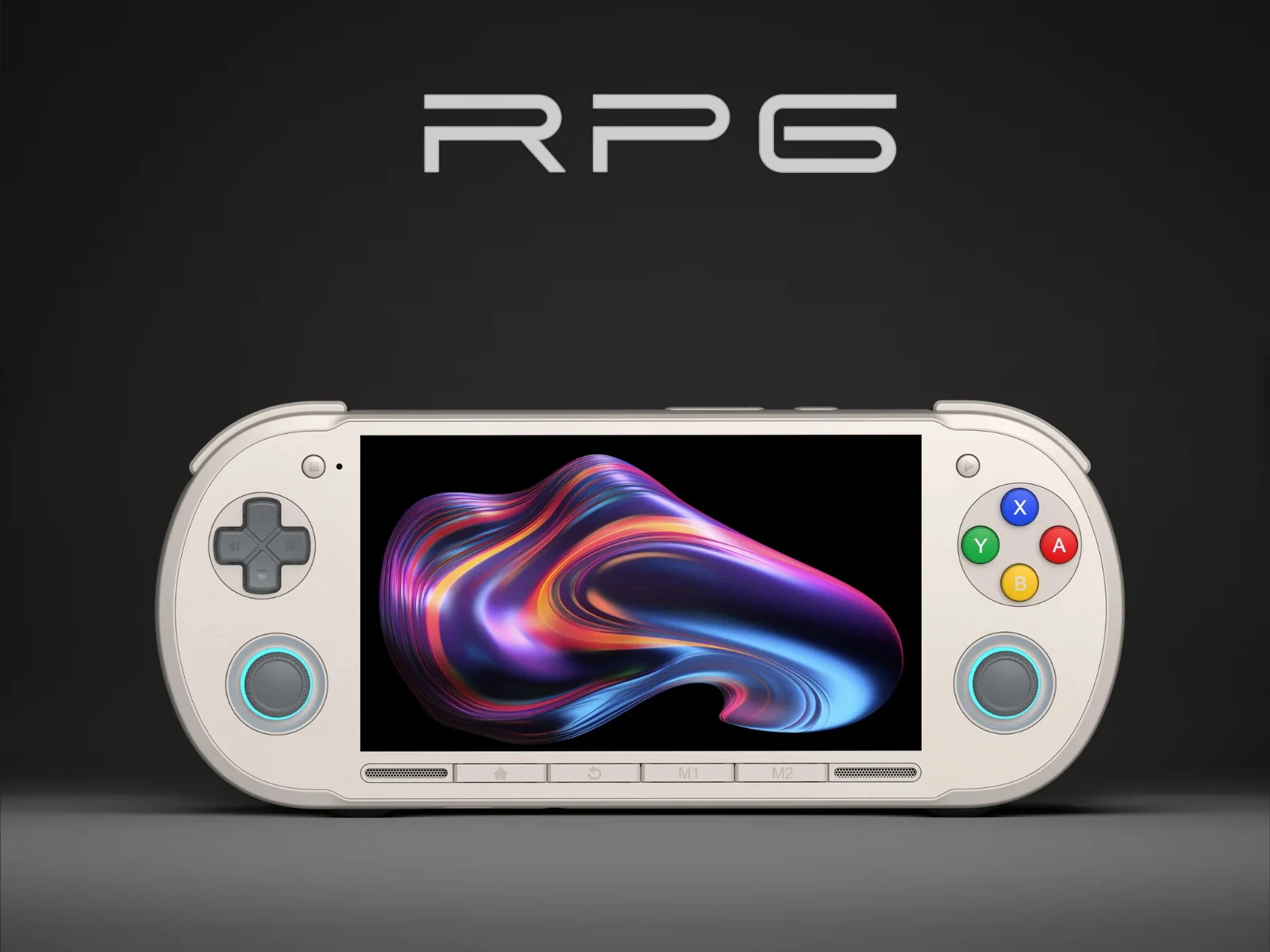
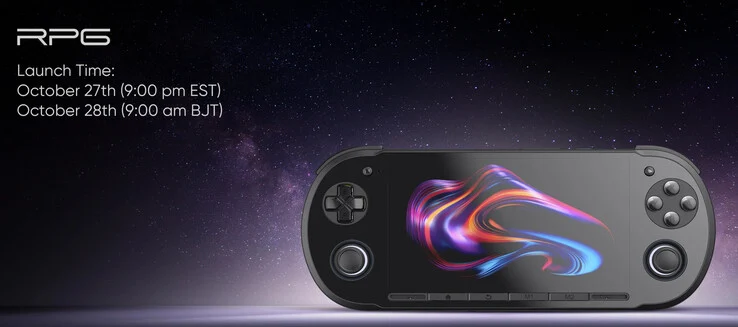
  • Retroid Pocket 6 and G2 Gaming Handheld Release Details Coming Soon

    Retroid Pocket 6 and G2 Gaming Handheld Release Details Coming Soon

    Key Takeaways

    1. Retroid has announced two new gaming handhelds: the Pocket 6 and Pocket G2.
    2. The Pocket 6 will begin shipping in January 2026, while the Pocket G2 will ship in two batches starting October 29.
    3. Pre-orders for both devices will open on October 28 at 01:00 UTC.
    4. The Pocket 6 is priced at $209 and the Pocket G2 at $199.
    5. The Pocket G2 will have different shipping dates for its color variants: Black, GameCube, and 16-bit on October 29, and Turquoise and Yellow on November 5.


    Retroid just showed off its new gaming handhelds today. This time, the company didn’t do a big reveal like last time. Instead of a long build-up like they did with the Pocket Classic and Pocket Flip 2 (curr. $269 on Amazon), they decided to announce everything at once.

    New Handhelds Announced

    Retroid introduced the Pocket 6 and Pocket G2 after sharing a mysterious teaser just last Monday. Now, they have quietly confirmed when both devices will be available. However, it’s important to note that the Pocket 6 won’t be shipping for a while.

    Shipping Dates and Pre-orders

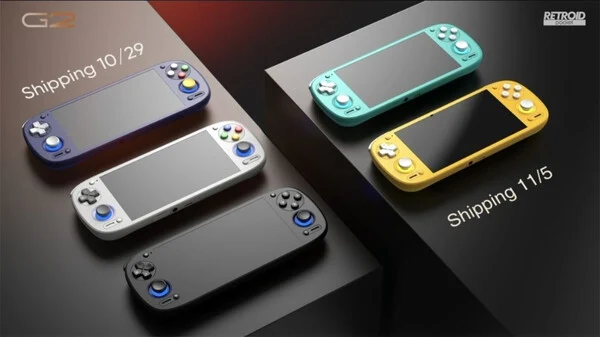
    To be specific, Retroid won’t start sending out Pocket 6 pre-orders until at least January 2026. On the other hand, the Pocket G2 will be shipped out in two different batches. According to the image below, the Black, GameCube, and 16-bit models will start shipping on October 29.

    Conversely, the Turquoise and Yellow versions will be delayed and won’t go out until November 5. The Retroid Pocket 6 and Pocket G2 will be up for pre-order starting October 28 at 01:00 UTC, priced at $209 and $199, respectively.


    Source:
    Link


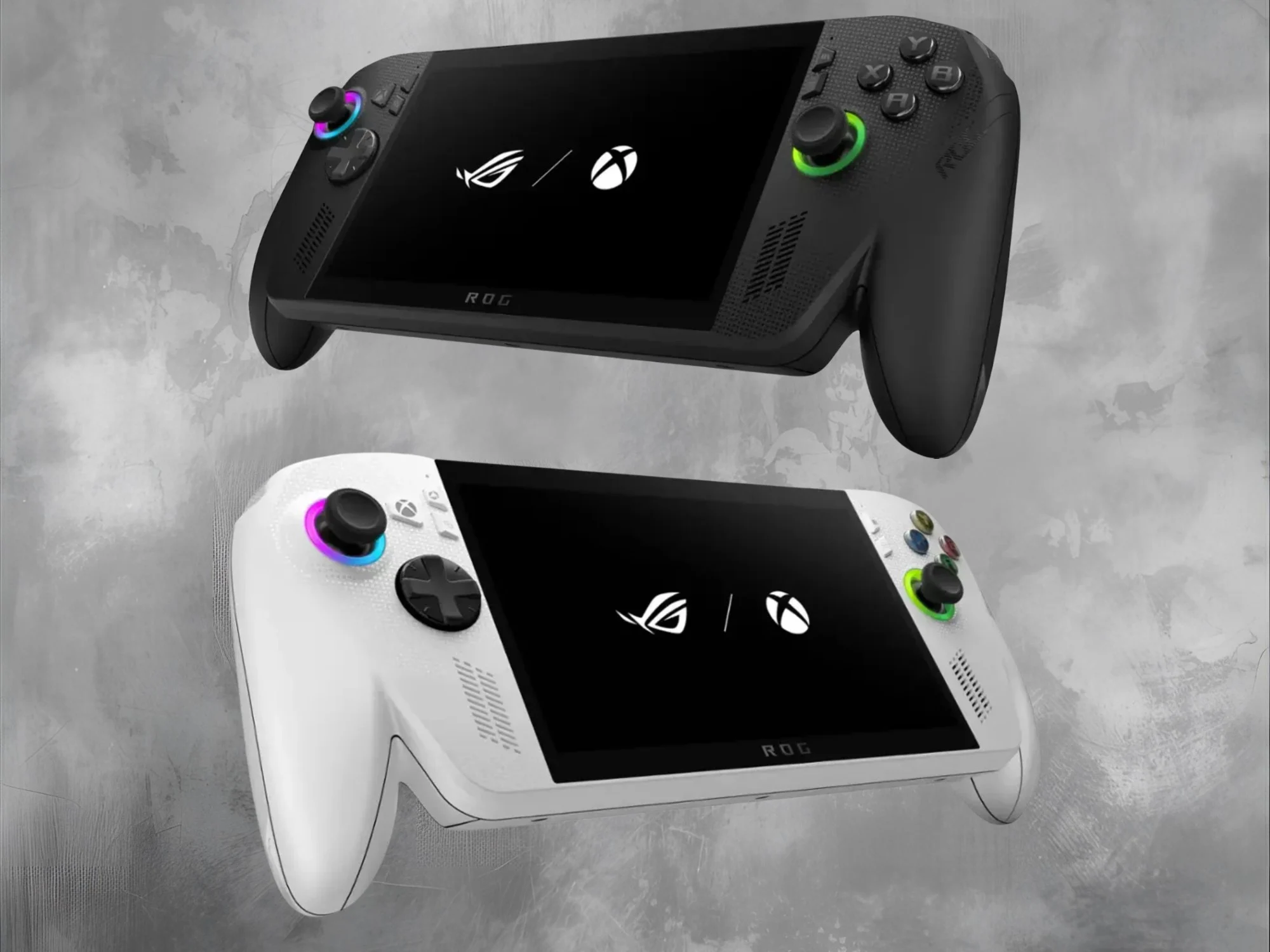
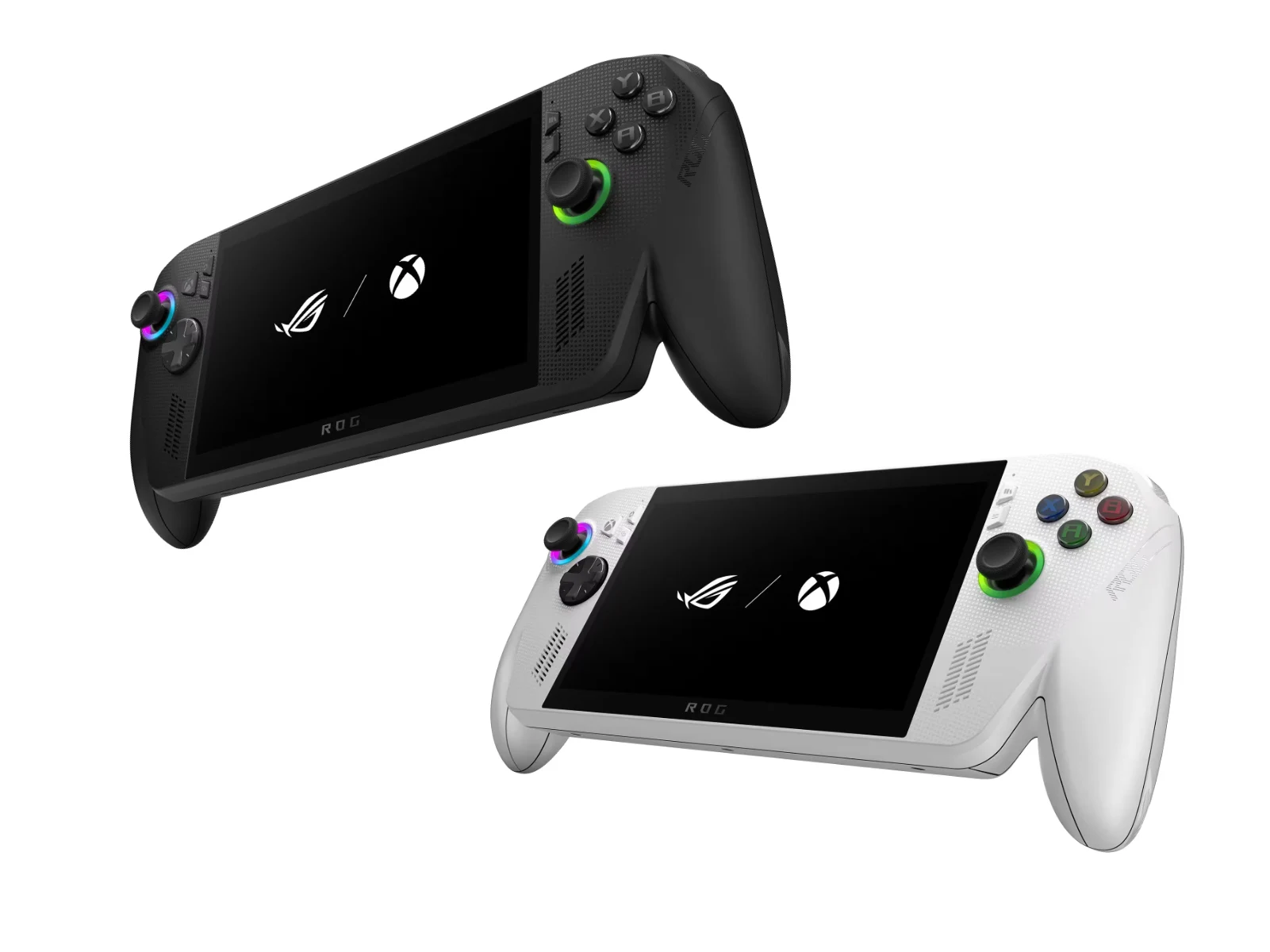
  • Microsoft Launches Xbox Ally and Ally X: Pre-Orders Now Open

    Microsoft Launches Xbox Ally and Ally X: Pre-Orders Now Open

    Key Takeaways

    1. Asus announced prices for the ROG Xbox Ally ($599.99) and ROG Xbox Ally X ($999.99) in the U.S., which are higher than previous leaks suggested.
    2. Pre-orders will start soon, with shipping beginning on October 16th; the ROG Xbox Ally X will be a Best Buy exclusive.
    3. Pricing in other regions includes €599.99/€899.99 in Europe, £499.99/£799.99 in the UK, and $799.99 CAD/$1299.99 CAD in Canada.
    4. Both handhelds feature 7-inch 1080p 120Hz screens, with the ROG Xbox Ally X having a 1TB SSD and 24GB of RAM, powered by the Ryzen AI Z2 Extreme chip.
    5. The ROG Xbox Ally X faces competition from devices like the Lenovo Legion Go 2 and the Steam Deck, which recently saw a price drop to $319.99.


    After a long period of waiting, Asus has officially revealed the prices for the ROG Xbox Ally and ROG Xbox Ally X. Sadly, for gamers in the U.S., the MSRP is higher than what recent leaks indicated. The more affordable gaming handheld is priced at $599.99, while the Ryzen AI Z2 Extreme model is tagged at $999.99. Pre-orders will start soon at various retailers, and shipping is set to begin on October 16th. It’s worth noting that the ROG Xbox Ally X is a Best Buy exclusive.

    Pricing in Other Markets

    In other regions, the pricing is as follows:

    – Europe: €599.99/€899.99
    – UK: £499.99/£799.99
    – Canada: $799.99 CAD/$1299.99 CAD
    – Australia: 799.99 AUD/1599.99 AUD

    Players had anticipated that Microsoft would reveal the prices for the Windows 11 handhelds at Gamescom 2025. However, the announcement was delayed as the company chose to reassess the challenging economic situation. With the release date for the ROG Xbox Ally and Xbox Ally X just weeks away, consumers can now decide whether to save up or look for other options.

    Expectations vs. Reality

    For buyers in Europe, the newly revealed pricing aligns with prior leaks. In contrast, on September 13th, YouTuber Destin posted photos of a Best Buy demo display that were confirmed by an employee, showing prices of $549.99/$899.99. It seems that either Microsoft and Asus made a last-minute adjustment, or the earlier information was incorrect.

    Both handhelds sport 7-inch 1080p 120Hz screens and leverage the new Xbox full-screen experience. The ROG Xbox Series X boasts a 1TB SSD, doubling the storage of the cheaper model, and increasing its memory to 24GB of LPDDR5X RAM. A key difference is its Ryzen AI Z2 Extreme chip, which is expected to enhance its performance.

    Competing Options

    The ROG Xbox Ally X must persuade gamers to choose it over alternatives like the newly released Lenovo Legion Go 2, which features an OLED screen. Meanwhile, the lower-priced Xbox Ally competes against the Steam Deck LCD, which has recently dropped to $319.99. For those looking for more options, the updated UI will be available on additional devices in 2026.

    Xbox X account.

    Source:
    Link


  • ROG Xbox Ally Release Date, Specs, and $899 Launch Price Revealed

    ROG Xbox Ally Release Date, Specs, and $899 Launch Price Revealed

    Key Takeaways

    1. Leaked Pricing: The ROG Xbox Ally is expected to retail for $549.99, while the ROG Xbox Ally X will be priced at $899.99, according to leaks from Wario64 and bilbil-kun.

    2. Official Statements: Microsoft’s VP of Xbox Gaming Devices emphasized the challenges of setting prices for mobile devices, considering factors like affordability and economic conditions.

    3. Launch Date: Both the ROG Xbox Ally and ROG Xbox Ally X are set to launch on October 16, 2023.

    4. Staggered Availability: The ROG Xbox Ally will not be available in China until early 2026, with staggered releases planned for countries like Brazil, India, Indonesia, and Thailand.

    5. Hardware Specifications: Detailed hardware specifications for both models can be found on Asus’ official website.


    Earlier today, some leaked pricing details about the Asus and Microsoft’s new ROG Xbox Ally gaming handhelds surfaced. The source of this information comes from a leaker known as bilbil-kun, but they did not specify where they got their data. Officially, neither Asus nor Microsoft have disclosed the launch prices for the ROG Xbox Ally or the ROG Xbox Ally X. However, Microsoft’s VP of Xbox Gaming Devices & Ecosystem provided a statement to IGN, saying:

    Balancing Act

    “It’s always a tricky situation… you are constantly trying to find that sweet spot between what is affordable and what the price point should be. This is particularly true for mobile devices, where factors like battery life also come into play. Plus, as you mentioned, the broader economic environment poses its own challenges. We need more time to assess how these economic factors will influence pricing, which is why we will release more information in September and October.”

    Pricing Information

    Despite the official silence, popular X account Wario64 pointed out that Best Buy accidentally listed the launch prices for both handhelds earlier than intended. Although those listings have since been taken down, they corroborated bilbil-kun’s findings, indicating that the ROG Xbox Ally would retail for $549.99 and the ROG Xbox Ally X would be priced at $899.99, featuring the Ryzen Z2 A and Ryzen AI Z2 Extreme, respectively. This means that the base model ROG Xbox Ally is going to be much less powerful than the Lenovo Legion Go S, which is currently priced at $649.99 on Amazon and powered by the Ryzen Z2 Go.

    Availability Details

    Both Best Buy and Microsoft have confirmed that the ROG Xbox Ally and ROG Xbox Ally X are set to launch on October 16. Additionally, it has been announced that the ROG Xbox Ally will not be released in China until early 2026. Other countries like Brazil, India, Indonesia, and Thailand will see staggered releases for these gaming devices. For complete hardware specifications of the ROG Xbox Ally and ROG Xbox Ally X, you can check out Asus’ official website. According to Microsoft, both models will be available on October 16.

    Source:
    Link


  • Intel Core Ultra 7 254V Leaked in New Lunar Lake Benchmarks

    Intel Core Ultra 7 254V Leaked in New Lunar Lake Benchmarks

    Key Takeaways

    1. The Intel Core Ultra 7 254V processor is designed for budget gaming handhelds and laptops, potentially competing with devices like the Steam Deck.

    2. It features an eight-core design with four performance cores and four efficiency cores, offering strong single-core performance but lower multi-core performance compared to higher models.

    3. The processor includes the Intel Arc 140V GPU, which runs at 2.0 GHz, matching higher-tier Lunar Lake models.

    4. Clock speed details are unclear, but speculation suggests a base clock of 1.8–2.0 GHz, with potential limitations on RAM, possibly starting at 8GB of soldered LPDDR5X.

    5. Intel has not confirmed the leaked specifications, raising questions about the reliability of the benchmark results and whether the high single-thread performance is accurate or a result of overclocking.


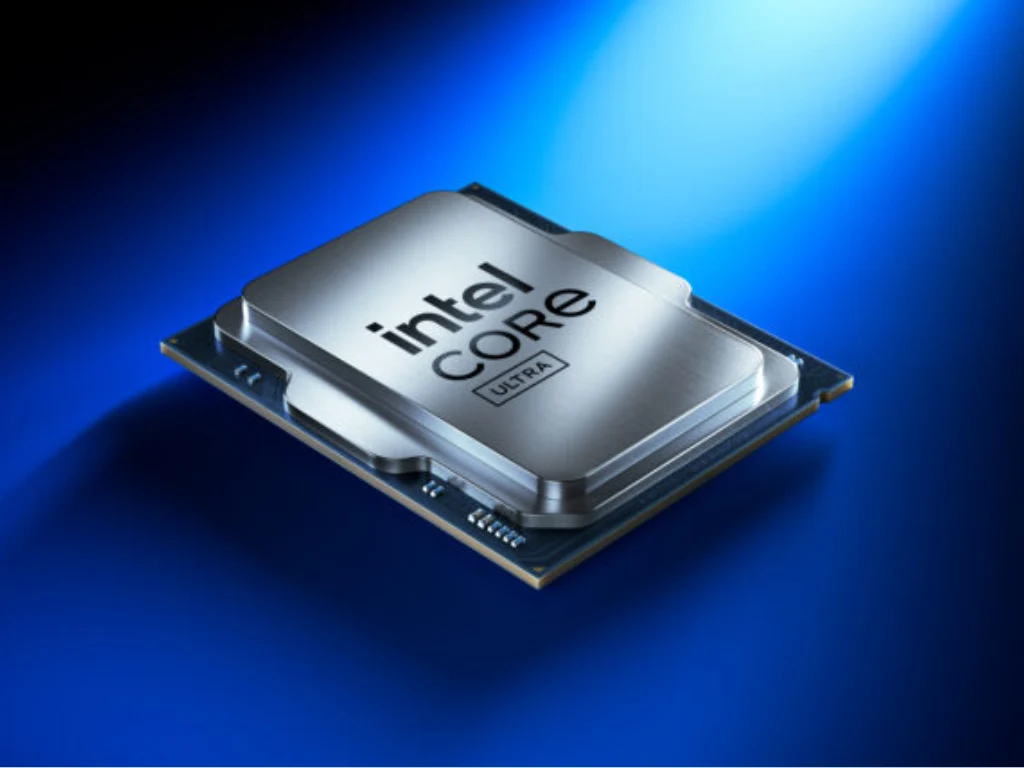
    A new Intel Core Ultra 7 254V processor from the Lunar Lake series has come to light through benchmark leaks, showing off its capabilities. It appears to be a decent choice for those looking for budget gaming handhelds and laptops, which might compete with devices like the Steam Deck.

    Benchmark Insights

    The leaks were first noticed by users on X, where the chip appeared in PassMark results. It features an eight-core design with four performance cores and four efficiency cores. Additionally, the CPU includes eight threads and 12MB of L3 cache, making it somewhat similar to the Core Ultra 7 256V and 258V models.

    From the data we have, the single-core performance is rated at 4,089, while the multi-core score is 17,327. The single-core performance aligns closely with the averages of the 256V and 258V models, but the multi-core performance is lacking: the 254V is almost 10 percent behind the 258V’s average of 19,158 and about 13 percent lower than the 256V’s 19,800.

    Performance Comparison

    When comparing the leaked Core Ultra 7 254V, it appears to underperform relative to the entry-level Core Ultra 5 228V in multi-core tasks, yet it excels in single-threaded performance, being significantly faster in that area.

    Additional benchmark results from tests like FurMark and Vulkan have verified the presence of the Intel Arc 140V GPU, which runs at 2.0 GHz. This is the same as the higher-tier Lunar Lake processors like the 256V and 258V, showing that it doesn’t downgrade to the Arc 130V used in the 230-series.

    Clock Speed Speculations

    Sadly, the clock speeds for the 254V have not been revealed in the leaks. However, speculation suggests it may have a lower base clock of 1.8–2.0GHz, in contrast to the 258V’s 3.7 GHz or the 256V’s 2.2 GHz, both of which can turbo up to 4.8 GHz, while keeping up with similar models in boost clock speeds.

    The Core Ultra 7 254V is likely to come with soldered LPDDR5X RAM which won’t be upgradeable. For reference, the 258V has 32GB, and the 256V has 16GB of RAM. It’s possible the 254V could have 8GB of soldered RAM, which might limit its application in entry-level laptops and gaming devices. It’s worth noting that Microsoft’s guidelines suggest a minimum of 16GB for AI applications, which could lead to a higher RAM configuration being offered than the 8GB that some are guessing.

    Intel’s Silence

    It’s important to mention that Intel has not yet confirmed the leaked SKUs. The benchmark seen on PassMark is from just one sample, meaning the high single-thread performance might be an anomaly, or the chip could have been overclocked during testing, as we do not currently know the clock speeds the CPU was operating at during the benchmark.

    Source:
    Link


  • Ayaneo Pocket Vert: Ultra Hi-Res Vertical Handheld in Development

    Ayaneo Pocket Vert: Ultra Hi-Res Vertical Handheld in Development

    Key Takeaways

    1. Ayaneo is introducing the Pocket Vert, its first vertical handheld gaming device.
    2. The Pocket Vert is designed for handheld enthusiasts, featuring a retro aesthetic and an ultra high resolution screen.
    3. It is expected to have superior display specifications compared to the Pocket DMG, which has a 1240 x 1080 OLED display.
    4. The device will be built with high-quality materials, emphasizing craftsmanship and likely appealing to collectors.
    5. No specific launch date or technical details were provided, but the release is anticipated for 2025 or 2026, with potential delays.


    Ayaneo has unveiled a range of gaming handhelds, yet most feature a horizontal or landscape layout, with the exception of the Pocket DMG, which stands alone as the only vertical or portrait device from the Chinese brand. This, however, is set to change as Ayaneo has announced that it is working on a new vertical handheld called the Pocket Vert.

    A Handheld for Enthusiasts

    The Ayaneo Pocket Vert is being called a “passion project for true handheld enthusiasts.” During a recent livestream detailing their strategy, the company shared that this device will showcase a retro aesthetic combined with an ultra high resolution screen. To give you some context, the Ayaneo Pocket DMG is equipped with a 1240 x 1080 OLED display, offering 419 pixels per inch and a peak brightness of 450 nits. Thus, it’s anticipated that the Pocket Vert’s display will exceed that of the Pocket DMG.

    Premium Build Quality

    This new handheld is also said to be constructed from high-quality materials, highlighting its exceptional craftsmanship and build quality. This makes it not just another gaming console, but rather a piece of art that collectors would cherish. Given these features, it is expected that the Ayaneo Pocket Vert will come at a hefty price, likely around double the cost of the Retroid Pocket Classic, which is currently listed on Amazon for $149.00.

    Speculations on Launch

    While Ayaneo did not disclose any specific technical details regarding the Pocket Vert or its expected release date, the insights shared during the strategy session pertain to 2025 and 2026. This suggests that it may not be available this year. Additionally, given Ayaneo’s history of not adhering to scheduled release timelines, there is a chance that this handheld could also experience delays.

    Ayaneo on YouTube

    Source:
    Link