Tag: foldable iPhone

  • 4.5mm iPhone Ultra/Fold Cases Leaked with Final Design Renders and MagSafe Mystery

    4.5mm iPhone Ultra/Fold Cases Leaked with Final Design Renders and MagSafe Mystery

    Key Takeaway

    1. Leaked cases suggest the foldable iPhone could have a book-style design, similar to Huawei Pura X Max.
    2. Dummy units appear very slim (around 4.5mm when unfolded) and lack visible MagSafe magnets.
    3. Leaked third-party cases include integrated MagSafe magnets, indicating a possible trade-off between thinness and MagSafe functionality.

    Leak of Cases for Apple’s New Foldable

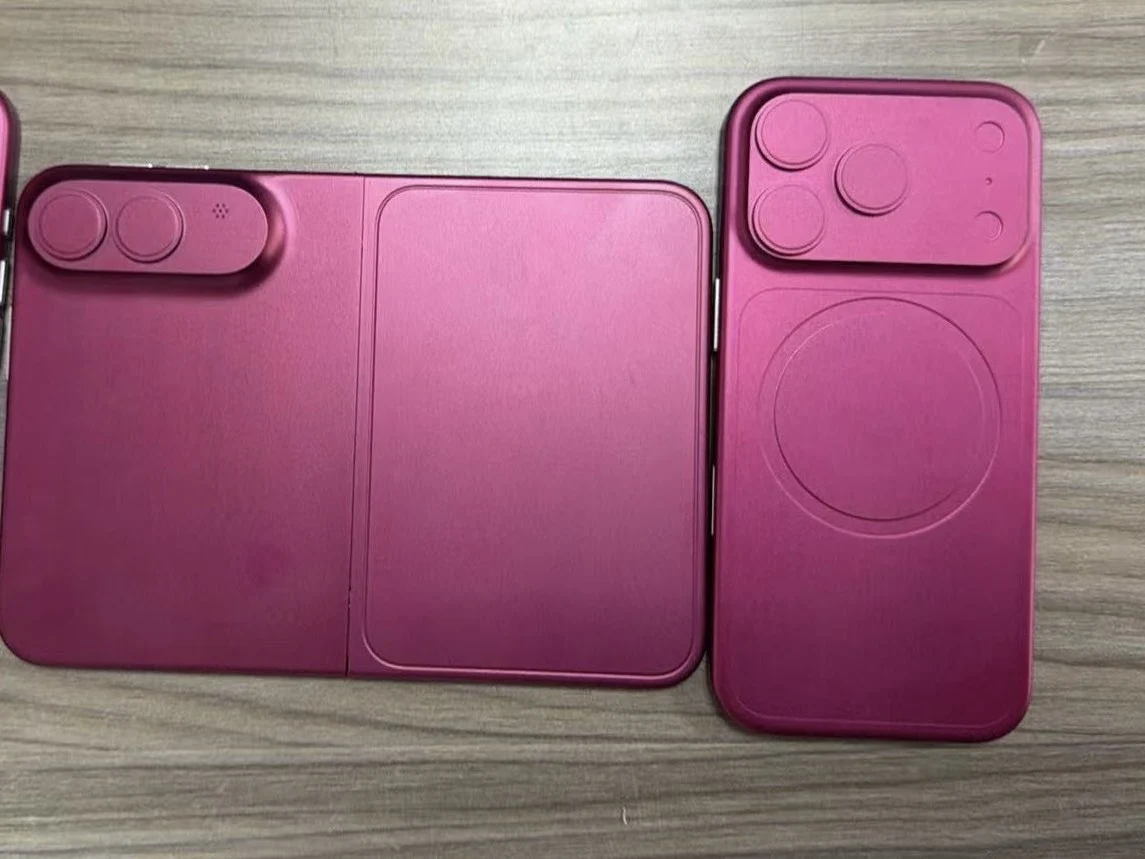
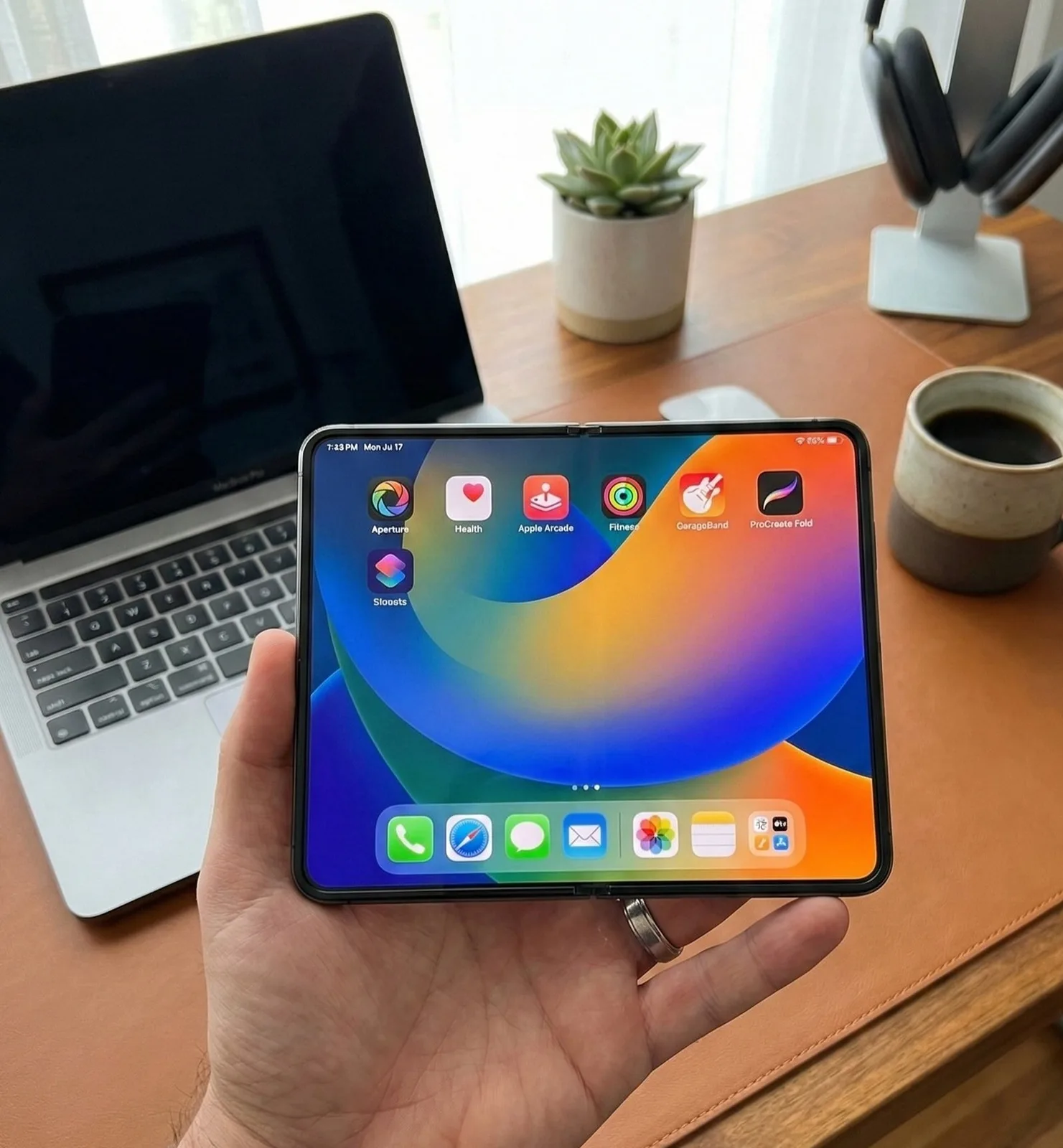
    There been some leaks of cases for the next big thing from Apple, the foldable phone which many now calls the iPhone Ultra or maybe the iPhone Fold. The cases provide us with some clues, mainly that the phone will fold like a book, similar to the Huawei Pura X Max which gets release tomorrow. But there’s one confusing thing about these leaks that got people talking.

    Details about the Slim Dummy Units

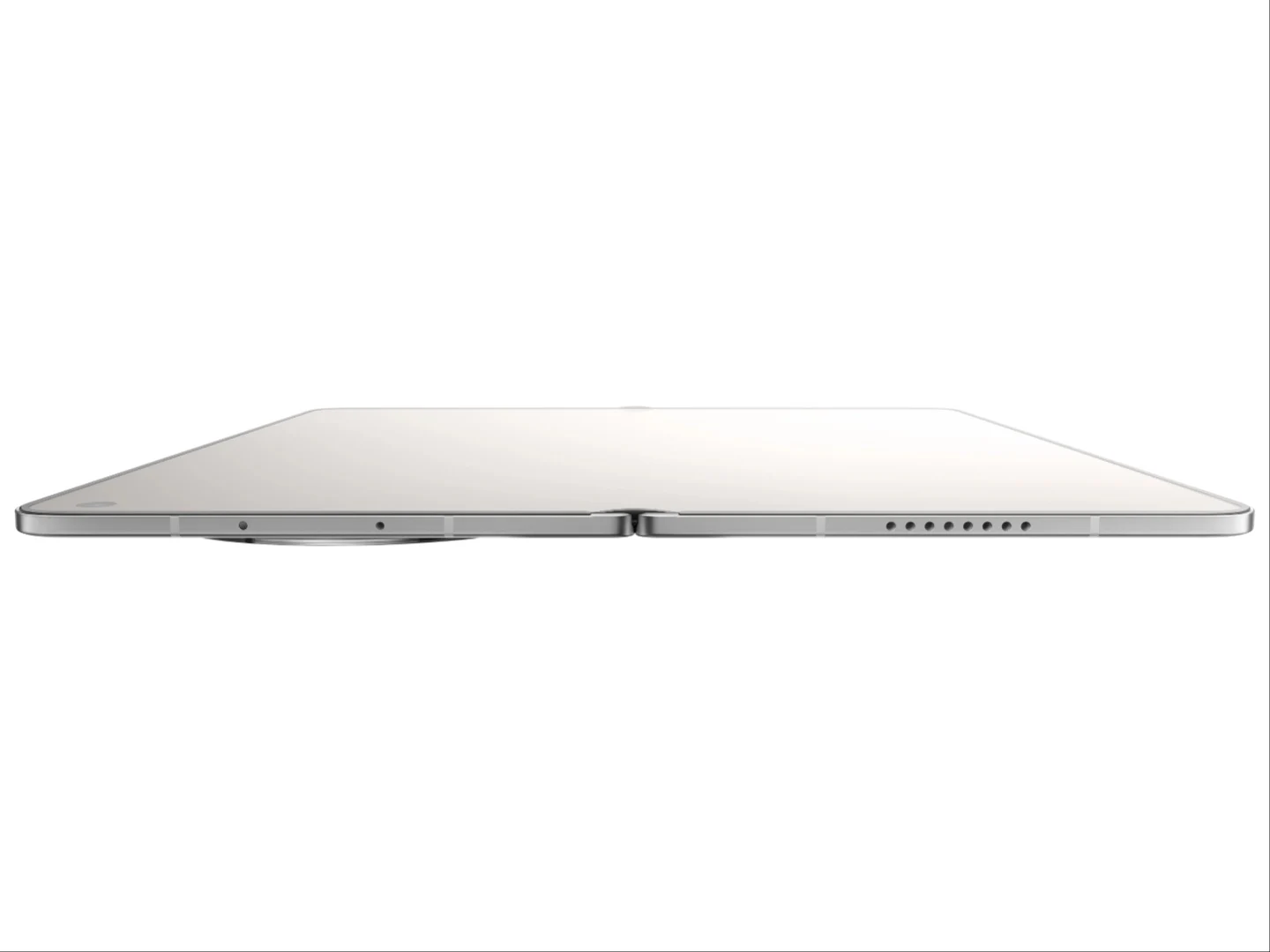
    The dummy models that surfaced recently show the foldable iPhone Ultra to be super slim, with some reports saying it could be as thin as 4.5mm when it is opened up. What’s strange about these dummy units, is that they don’t seem to have any visible MagSafe magnet rings, which are pretty much standard for current iPhones. However, the third-party cases that have leaked do show MagSafe magnets built into them, which makes this whole thing more confusing.

    The Possible Reasons for Missing MagSafe

    This leads to some interesting theories about the design. Maybe Apple decided to leave out the internal magnets to keep the phone slim and make it feel like a regular phone. By doing this, the MagSafe feature might be moved to the case itself, allowing the phone to stay thin. Or, it could be that the magnets are still inside but haven’t been branded yet, so the dummy units aren’t showing them. Apple has previously removed and then re-added MagSafe support, like with the iPhone 16e in 2025, which didn’t support it initially but later got it back.

    Pricing and Specs (Updated)

    • Expected Price: Not officially announced, but likely to be in premium range
    • Display: Likely a foldable design, possibly similar to recent foldables from Samsung or Huawei
    • Thickness: Rumored to be as thin as 4.5mm when unfolded
    • MagSafe: The feature’s presence is uncertain, with some cases including magnets and others lacking them

    All in all, much about the foldable iPhone ultra remains to be confirmed, but these leaks definitely give us a glimpse of what might come. Fans and tech enthusiasts will have to wait until Apple officially unveils its latest, possibly game-changing device.
    Sources
  • Apple Can’t Outdo Oppo in Foldable Phones but Can Match It

    Apple Can’t Outdo Oppo in Foldable Phones but Can Match It

    Key Takeaway

    1. Apple’s foldable iPhone Ultra aims to minimize creases, potentially achieving a near-invisible fold similar to Oppo’s Find N6, though not surpassing it.
    2. Apple is using Ultra Thin Glass (UTG) and Optically Clear Adhesive (OCA) to create an almost crease-less display.
    3. The iPhone Ultra is expected to feature a larger battery (around 5,800 mAh) than Samsung’s Galaxy Z Fold 8, indicating enhanced battery capacity.

    Upcoming Foldable iPhone Rumors

    Though Apple haven’t officially announced anything about their foldable device, the buzz about the ‘iPhone Ultra’ has been getting alot of attention. Many leaks hint that they might drop this phone by September, but people are still waiting for confirmation. Seems like Apple’s really taking their time here, mainly because they want to perfect the crease experience. They’re aiming for a near invisible fold, which is pretty tricky but they’ve been making some progress. Still, it’s unlikely that this foldable will outshine the best models out there now.

    Leak Insights And Surface Quality

    According to a post shared on Weibo by Fixed Focused Digital, the new Apple foldable is expected to beat out most competitors. The leak emphasizes that, “most” in this case, means it will fall just short of Oppo’s Find N6, which reportedly has the almost invisible crease. The main goal for Apple is to minimize the crease visibility and give users a smooth tactile feeling when they bend the device, but the Oppo’s design sets the bar high. They managed a nearly seamless look with their advanced hinge and special glass, and Apple plans to use a similar approach combined with ultra thin glass (UTG) and a special adhesive to fill gaps seamlessly.

    Battery and Technology Innovations

    Battery life remains another battleground, with Oppo’s foldable phones reportedly using Silicon Carbon batteries, which are more advanced and longer-lasting. Apple, however, might stick with traditional lithium-ion cells for reliability and compatibility. Yet, the iPhone Ultra is expected to pack a powerful battery – estimated at 5800 mAh, surpassing Samsung’s rumored 5000 mAh for the Galaxy Z Fold 8. This boost could mean longer usage times and better endurance for power users. The competition is fierce, and every detail counts when it comes to folding smartphones, with technology rapidly progressing.

    Sources
  • Foldable iPhone Launches in September, New Report Confirms

    Foldable iPhone Launches in September, New Report Confirms

    Key Takeaway

    1. The development of Apple’s foldable iPhone is reportedly on track for a September release, contrary to earlier reports of delays.
    2. The device is expected to be durable with minimal issues related to screen quality or creasing.
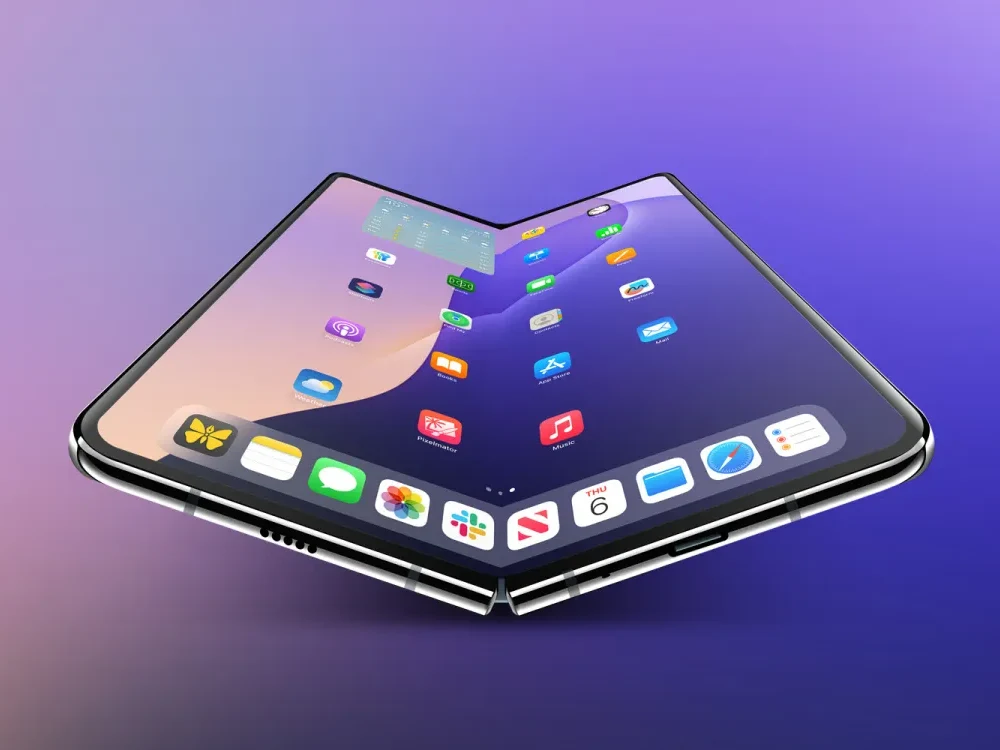
    3. The foldable will feature a wide-screen landscape form factor and a specialized version of iOS for an iPadOS-like experience.
    4. The new iPhone will be priced as a premium device, starting over $2,000 and potentially reaching nearly $3,000 fully equipped.

    Recent Reports on Apple’s Foldable iPhone

    Reports from Asia yesterday said that apple was facing some kinds of problems with their new foldable iphone has been developement. People thought it could make delay in launching it, but then a new report said otherwise that all these problems was exaggerated or maybe not realy true at all.

    Clarification from Reliable Sources

    Mark Gurman from Bloomberg has confirm that the earlier news about Apple’s trouble with their foldable cellphone was mostly overblown. According to his sources close to Apple, the first foldable iPhone is still on schedule to come out in September, together with the new iPhone 18 Pro and iPhone 18 Pro Max.

    Features and Expectations for the Foldable Model

    This upcoming foldable iPhone is said to be a very ambitious project for Apple because it aims to solve issues like durability, screen quality, and the crease that many foldables have. Engineers believe that this new phone will don’t have the usual problems associated with foldables, which is very exciting news.

    Design and Operating System

    Sources say the foldable iPhone will have a wide-screen in the landscape mode to give a better view. It will also run a special version of iOS which will give it an experience similar to iPadOS, making app use more enjoyable and seamless. But all these fancy features are expected to cost a lot, with starting prices over $2,000 and possibly reaching almost $3,000 for the top models.

    Sources
  • New Leak Reveals Foldable iPhone Design

    New Leak Reveals Foldable iPhone Design

    Key Takeaway

    1. Apple’s first foldable iPhone, potentially launching in 2026, features a book-style design with smaller screens similar to Galaxy Z Flip7.
    2. The device may miss its September 2026 launch due to technical manufacturing issues.
    3. The foldable iPhone has distinct design elements, such as a protruding camera bump like the iPhone 17 Pro and inconveniently placed volume buttons at the top edge.
    4. The iPhone 18 Pro Max and iPhone 18 Pro appear to retain their previous high-end aesthetic with minimal design changes.

    Rumors about Apple’s New Foldable iPhone Emerge

    With Apple’s first foldable iPhone set to come out sometime in 2026, the rumors are starting to be more serious. The device is reportedly in mass production now but may miss its planned September launch mainly because of some technical issues during manufacturing. Recently, we got our first leaked images of what might be the new iPhone Fold, or maybe it’s called iPhone Ultra, according to some sources from Weibo.

    Design Highlights and Leak Details

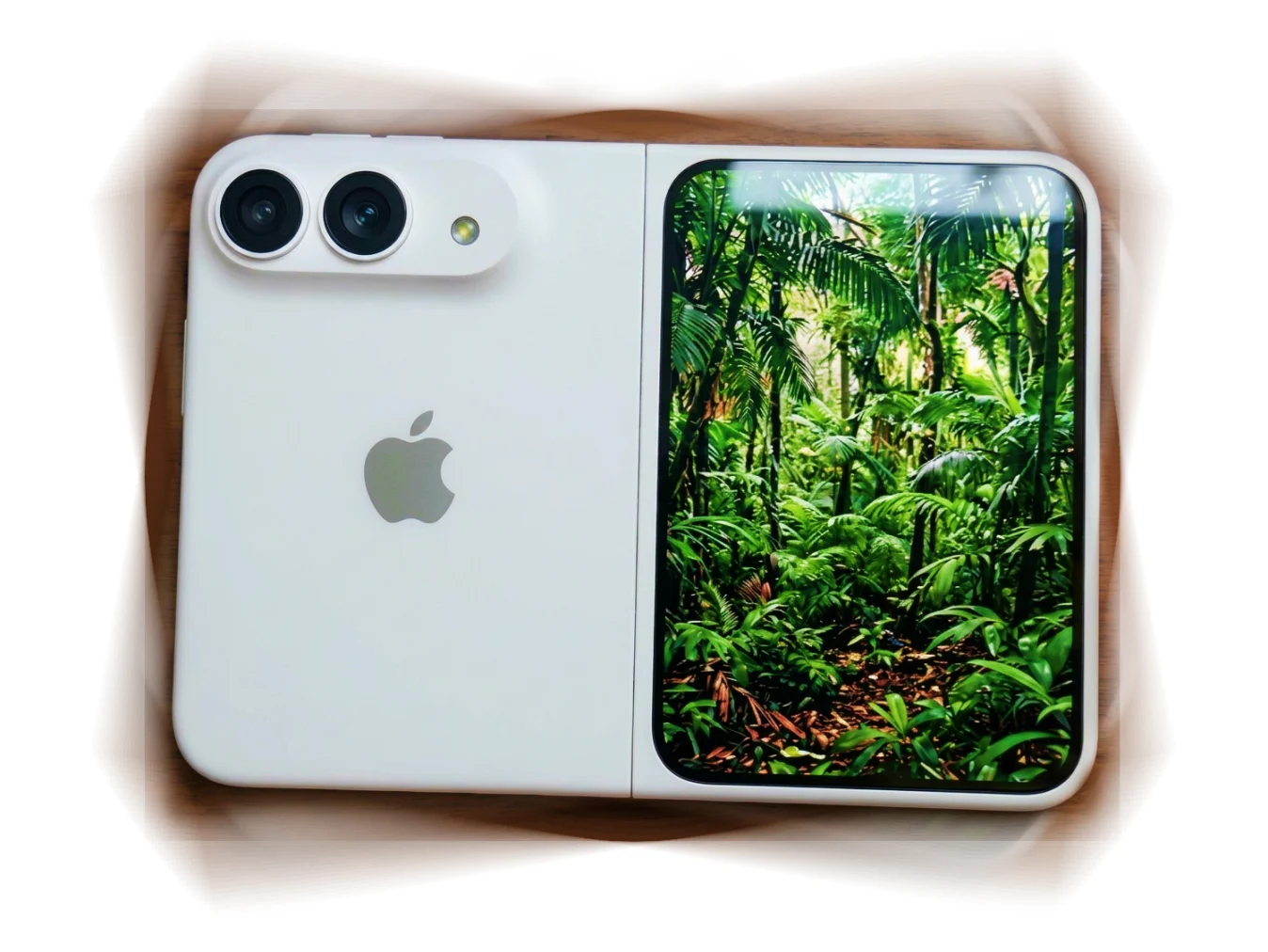
    This info was shared by X users Sonny Dickson and Ahmad Ansari. As earlier leaks suggested, this foldable isn’t the usual kind you’d expect. While it has a book-style fold similar to the Galaxy Z Fold7, its two screens are actually smaller, more like the Galaxy Z Flip7. On its back, there are two camera modules placed side by side. The camera bump looks very similar to the iPhone 17 Pro, with the typical protruding bump and all the aesthetic details.

    Unusual Placement of Buttons and Future Considerations

    A notable design choice is the positioning of the volume buttons—they’re awkwardly placed at the top edge instead of the sides, making them less convenient. This might be due to space limitations on the sides, which are already used by the power button and other action buttons. For users interested in a regular-sized screen, they might still prefer standard iPhones or other Android foldables that offer easier access to essential buttons.

    Leaked Images of Future iPhones

    Additionally, there are leaked images of the upcoming iPhone 18 Pro Max and iPhone 18 Pro. Both models look very similar to their previous versions, suggesting Apple is sticking with a familiar aesthetic for its premium lines. However, these images are just prototypes, and Apple might change some features before the final release.

    Sources of Information

    • Sonny Dickson on X
    • Ahmad Ansari on X
    Sources
  • iPhone Fold Production Faces Technical Challenges

    iPhone Fold Production Faces Technical Challenges

    Key Takeaway

    1. Apple’s foldable iPhone is facing engineering process delays, risking its expected 2026 release timeline.
    2. The delays are due to engineering bottlenecks, not shortages of memory modules.
    3. The critical period for resolving issues is April to early May, which could impact the launch schedule.
    4. Apple plans to produce approximately seven million units initially.

    Rumors about Apple’s Foldable iPhone

    Everyone been talking about Apple’s foldable iPhone for a long time now, like nearly ten years. A previous source even said it was already in mass production, with an expected release sometime at the end of 2026. But, there’s some recent news suggesting things aren’t going quite smoothly. According to reports from Nikkei Asia, Apple has hit some problems during production testing. A source close to the project commented that more issues than initially expected have come up, which means they need extra time to fix these problems before they can go ahead with the full production. They warn that this might even put the original timeline at risk, especially during the critical engineering verification stage scheduled for April, which is considered very important for the project’s progress.

    Bottlenecks and Delays

    Most experts agree that the delays aren’t because of a shortage of memory modules – Apple seems to have plenty of those. Instead, the issues are related to engineering process bottlenecks, which are slowing things down. This means that the much-anticipated September launch window might get pushed back, with the possibility that the foldable iPhone won’t arrive until 2027. Despite these setbacks, there’s still hope that the device will come out within the 2026 timeframe, but nothing can be guaranteed yet. The key dates to watch are in April and early May when the company will have more updates on how the project is progressing. If all goes well, we might see an announcement soon, but for now, Apple remains very quiet about any future foldable plans.

    Manufacturing Plans & Initial Release

    According to the latest information, Apple plans to start manufacturing around seven million units of the foldable iPhone initially. This number suggests they’re being cautious, perhaps waiting to see how well the first batches perform before ramping up production further. As is typical with Apple, details about the device itself, including specs and pricing, remain undisclosed. But based on industry rumors, the pricing could be quite high, reflecting the premium nature of the brand and innovative features expected. Overall, Apple’s foldable iPhone project seems to be moving forward, but the hurdles encountered might delay the arrival, which could be disappointing for fans eager for the next big thing in smartphones.

    Sources
  • Apple’s Folding iPhone for Pet Sellers Enters Production in China

    Apple’s Folding iPhone for Pet Sellers Enters Production in China

    Key Takeaway

    1. Apple has begun trial production of its first foldable iPhone, indicating hardware and design finalization.
    2. The iPhone Fold will be wider than existing foldables, potentially influencing future phone designs.
    3. The foldable iPhone may be released in December as a premium device, possibly priced around $2,000.
    4. Apple’s main fall iPhone lineup may include only the iPhone 18 Pro and Pro Max, with other models launching later.

    Apple’s First Foldable iPhone Are in Trial Production

    It is said that Apple has officially moved its 1st foldable iphone into the trial production phase, based on reports from its supply chain. after years of high speculation and secretive internal development, they finally moved from just ideas to actual test batches called “trial manufacturing”. This step surely means that Apple has now guaranteed its hardware and design are ready, before they jump into competing with Android in the foldable market.

    Leaks and Design Expectations

    As these test units start getting circulated among Apple employees for testings, we might get a sneak peek in the form of leaked images of the iPhone Fold. But keep in mind, Apple is known for being quite secretive, so these leaks could be rare or limited. The phone will have a significantly wider display than any foldable on the market now. This might push other brands like Samsung to follow suit with their own larger foldable models, like the rumored Galaxy Z Wide Fold, although the Galaxy Z Fold8 is also seemingly near its launch.

    Release Timing and Market Strategy

    Many predict the foldable iPhone would debut in the fall alongside the usual iPhone lineup, but recent leaks hint at a different plan. It sounds like Apple might introduce it later, possibly in December as a special holiday surprise, potentially priced at around 2,000 dollars or even more. If so, it could become a luxury Christmas gift for early adopters and tech aficionados alike.

    Other New iPhones Expected This Fall

    Besides the foldable model, Apple might only release the iPhone 18 Pro and iPhone 18 Pro Max in this cycle. The standard iPhone 18 and the more affordable iPhone Air are predicted to be launched only next spring. This staggered release approach allows Apple to focus their new tech showcase primarily on their Pro models first, with the more mainstream models following later.


    Sources

  • Apple iPhone 18 Pro: 5 Exciting Rumored Features to Expect

    Apple iPhone 18 Pro: 5 Exciting Rumored Features to Expect

    Key Takeaways

    1. Apple is likely to debut its first foldable iPhone, possibly named the iPhone Fold, alongside the iPhone 18 Pro and Pro Max.
    2. The iPhone 18 Pro will feature a smaller display cutout with some Face ID elements hidden beneath the screen.
    3. A new variable aperture will be introduced in the 48MP camera, allowing for better control over light and depth of field.
    4. The Apple A20 Pro chipset is expected to be more energy-efficient due to a new 2nm manufacturing process.
    5. New connectivity options will include an upgraded Apple N2 chipset for WiFi 7 and Bluetooth 6, and a second-generation 5G modem that may outperform Qualcomm’s offerings.


    The most important update might not be the iPhone 18 Pro or the absence of the iPhone 18 base model; instead, it could be the debut of Apple’s first foldable iPhone, likely named the iPhone Fold. However, the direct successors to the iPhone 17 Pro and Pro Max are also set to receive several enhancements, and with more than six months remaining until the expected release in September, at least five upgrades seem quite likely.

    Details of Upgrades

    Well-known analyst Jeff Pu has now shared these potential upgrades. Some of these changes may sound familiar as they have been mentioned in prior leaks and rumors about the iPhone 18 Pro series. The apparent agreement across the industry supports the credibility of these rumors and information.

    Notable Changes Ahead

    Probably the most striking change will be the smaller display cutout on the new iPhone 18 Pro, as Apple is reportedly planning to conceal some Face ID elements beneath the display. This serves as a stepping stone towards a completely cutout-free iPhone display, which might be introduced with the anniversary model in 2027.

    Photography Features

    A second feature that should excite photographers is the introduction of a variable aperture, bringing a creative element from traditional cameras to the upcoming 48MP camera in the iPhone. This enhancement would provide improved control over light intake, depth of field, and enable effects like starbursts. While variable apertures have been available on high-end Android phones for a while, some brands like Honor and Xiaomi have recently chosen to forgo this feature, whereas Huawei continues to incorporate variable apertures in its top-tier offerings.

    Enhanced Chipset Efficiency

    After many years, the Apple A20 Pro is anticipated to be significantly more energy-efficient due to a new 2nm manufacturing process. This time, however, Apple may not take the lead, as the Samsung Exynos 2600 is expected to be the first 2nm chipset, set to launch with the Galaxy S26 series in late February. Qualcomm is also preparing to unveil the 2nm Snapdragon 8 Elite Gen 6 this fall, which will be produced by TSMC in Taiwan.

    New Connectivity Options

    The fourth update involves another Apple chipset, the successor to the Apple N1, which powers the WiFi 7 and Bluetooth 6 connectivity in the iPhone 17 and iPhone Air. Details on the upgrades for the Apple N2 remain unclear.

    Lastly, a second iteration of Apple’s proprietary 5G modem is expected to launch and might outperform Qualcomm’s modems in speed. The original Apple C1 modem introduced in the iPhone 16e was more efficient than its competitors but still fell short in speed. The C1X found in the iPhone Air was an intermediate version, reportedly twice as fast as the C1 according to Apple.

    Source:
    Link


  • Foldable iPhone Design: Two iPhone Airs Stuck Together?

    Foldable iPhone Design: Two iPhone Airs Stuck Together?

    Key Takeaways

    1. The foldable iPhone design is expected to resemble two iPhone Airs connected, focusing on a slim profile with flat edges and a titanium frame for durability.

    2. The device’s thickness will be around 9 to 9.5mm when closed and 4.5mm when opened, placing it between competitors like Samsung and Google in terms of thickness.

    3. The inner display is projected to be 7.8 inches with a nearly square aspect ratio, while the outer screen may be about 5.5 inches; Apple is working on reducing the crease with innovative hinge materials.

    4. Features will include four cameras, with a potential shift from Face ID to Touch ID, and the price is expected to start at around $2,000, reaching up to $2,300.

    5. Pilot production is set to begin in Taiwan, with plans to expand to India, targeting a release around September 2026, though slight delays may occur.


    Apple’s first foldable iPhone has been a topic of much discussion for a few months, and new reports are giving us a better idea of its potential design. According to Bloomberg’s Mark Gurman, the device is expected to look like two iPhone Airs connected together. While this might seem like a simple description, it indicates a design focus on being thin, having flat edges, and utilizing a recognizable titanium frame.

    Durability and Design

    Recently, Apple has made extensive use of titanium in its newer iPhone Air models, and durability tests from iFixit and JerryRigEverything have shown that this material performs well when under pressure. Incorporating this same strength into a foldable phone could help alleviate long-standing worries about the fragility of foldable devices. The thickness being mentioned suggests that Apple aims to create a device that is quite slim by foldable standards. When closed, the phone might be around 9 to 9.5mm thick, while when opened, it could have a thickness of only 4.5mm. For comparison, Samsung’s Galaxy Z Fold7 measures 8.9mm and Google’s Pixel Fold at 10.8mm, positioning Apple somewhere in the middle of these two.

    Screen and Hinge Innovations

    The inner display is rumored to be about 7.8 inches with a nearly square aspect ratio, while the outer screen may come in at around 5.5 inches. Additionally, Apple is reportedly exploring methods to reduce the crease in the center of the screen, possibly by using a metal support plate in the hinge that would help distribute stress evenly. Sources suggest that the hinge may involve a mix of titanium and stainless steel, with liquid metal components potentially included in the design.

    If these claims hold true, it could provide the device with a level of structural strength that sets it apart from its competitors. There’s even talk that Apple might aim to retain some of the iPhone Air’s repairability, which scored a seven out of ten on iFixit. That would be quite rare for a foldable phone, as the Pixel Fold and Galaxy Z Fold7 only received scores of three, so achieving something close to that benchmark would be notable.

    Features and Pricing

    On the features front, Apple appears to be opting for a setup that is both practical and luxurious. Users can expect four cameras: two on the back, one on the outer display, and another on the inside. Face ID might be omitted to simplify the design, potentially replaced by a side button featuring Touch ID. While this would represent a departure from Apple’s recent approach, it would help minimize the space needed within the device’s frame. That said, the price is anticipated to be quite high.

    Current projections estimate the cost at not less than 2,000 US dollars, potentially reaching as much as $2,300. This would place it well above the already high-priced foldables from Samsung and Google, raising the challenge for Apple to justify the premium. Production plans appear to be coming together as supply chain reports indicate that pilot production runs will commence in Taiwan before expanding to India and other locations. The anticipated release timeframe is late 2026, with September being the most frequently mentioned target, though there is a chance of a slight delay into the last quarter of the year.

    Source:
    Link


  • Foldable iPhone Expected in September 2026, Says JPMorgan

    Foldable iPhone Expected in September 2026, Says JPMorgan

    Key Takeaways

    1. Apple may unveil a foldable iPhone, referred to as the iFold, in September 2026 alongside the iPhone 18.
    2. The expected starting price for the foldable iPhone is $1999.
    3. JPMorgan predicts the folding iPhone could achieve about 45 million sales in the two years following its launch.
    4. Rumored features include a 7.5-inch inner display, a 5.5-inch outer display, an A20 chip, and possibly Face ID or Touch ID.
    5. Current information is speculative, and the exact timeline and features are not confirmed by Apple.


    It’s been a long time people have been guessing whether Apple will drop a folding iPhone, and every time it seems like it’s just around the corner. But some new research from JPMorgan says that next year, Apple might finally unveil a foldable iPhone.

    Upcoming Launch Details

    In a message to investors, the market experts suggested that this foldable iPhone (often called the iFold by some) could debut with the iPhone 18 in September 2026. They also mentioned that the starting price for this foldable device will be $1999.

    Sales Expectations

    The researchers are even hinting that the folding iPhone could rake in about 45 million sales in the two years after its anticipated launch. Given that the whole foldables market sold around 18 million units last year, Apple could hit the jackpot if JPMorgan’s forecasts come to life.

    Speculations on Features

    There’s a buzz going around with supposed specs of the folding iPhone, with most rumors suggesting an inner display of roughly 7.5 inches diagonally and an outer display of about 5.5 inches. It’s expected to feature the same SoC as the iPhone 18 (probably powered by an A20 chip, following Apple’s naming pattern) along with common features like Face ID (or maybe Touch ID, according to some whispers) and a modified version of iOS designed for a folding phone.

    Conclusion

    However, it’s essential to remember that this is merely speculation at this stage, so it’s wise to remain skeptical. While it’s likely that Apple will step into the folding phone arena due to its rising popularity, only the tech giant from Cupertino knows exactly when this will happen.

    Source:
    Link

  • Foldable iPhone Expected in 2026, Early Production Starts Soon

    Foldable iPhone Expected in 2026, Early Production Starts Soon

    Key Takeaways

    1. Production Timeline: Foxconn is expected to start production of the foldable iPhone in late September or early October 2025, with a public launch planned for autumn 2026 as part of the iPhone 18 series.

    2. Display and Design: The device will feature a foldable display, provided by Samsung Display, with a 5.5-inch screen when closed and a 7.8-inch screen when opened, designed similarly to the Galaxy Fold.

    3. Hinge Engineering: Apple has engineered the hinge to minimize crease visibility and may include under-display cameras, while opting for Touch ID due to space constraints.

    4. Pricing Strategy: The expected price range for the foldable iPhone is between $2,000 and $2,500, targeting the ultra-premium market segment.

    5. Limited Production Volume: Apple plans to produce 15 to 20 million units for a lifecycle of 2 to 3 years, indicating a niche launch strategy rather than a broad market release.


    Apple’s anticipated foldable iPhone seems to be edging closer to being real. Analyst Ming-Chi Kuo has indicated that Apple has hit a significant development milestone and is gearing up for the initial phases of production. Kuo has provided fresh details about when Apple might begin making the device, its design features, and expected production volumes.

    Production Timeline

    Kuo mentions that Apple’s partner Foxconn is likely to kick off production of the foldable iPhone around late September or early October 2025. The company aims for a public launch in the autumn of 2026, positioning the new device as part of its iPhone 18 series. Even though production is just months away, some internal parts, such as the hinge, still need to be finalized, highlighting Apple’s commitment to ensuring long-lasting quality.

    Display and Design

    The foldable display has been confirmed as a key feature of the phone. Samsung Display is expected to provide between 7 to 8 million screens, offering a 5.5-inch display when closed and a larger 7.8-inch screen when opened. The design is said to be similar to the Galaxy Fold, featuring a book-style inward fold. Apple has engineered the hinge to minimize crease visibility and might even include under-display cameras. Due to space constraints, the device would likely utilize Touch ID instead of Face ID. It is anticipated to be around 4.5mm thick when opened and 9–9.5mm when folded.

    Pricing and Market Strategy

    According to Kuo, the expected price range for the foldable iPhone will be between $2,000 and $2,500, placing it in the ultra-premium segment. Apple is estimated to have ordered between 15 to 20 million units, which would cover a projected lifecycle of 2 to 3 years. This approach indicates a limited, niche launch instead of a broad market release. Kuo also points out that Apple’s plans might still change before the device enters mass production.