Tag: electric vehicle

  • The Revealed BYD YangWang U7 EV Boasting an 800km Range and a Remarkable 135.5kWh Battery

    The Revealed BYD YangWang U7 EV Boasting an 800km Range and a Remarkable 135.5kWh Battery

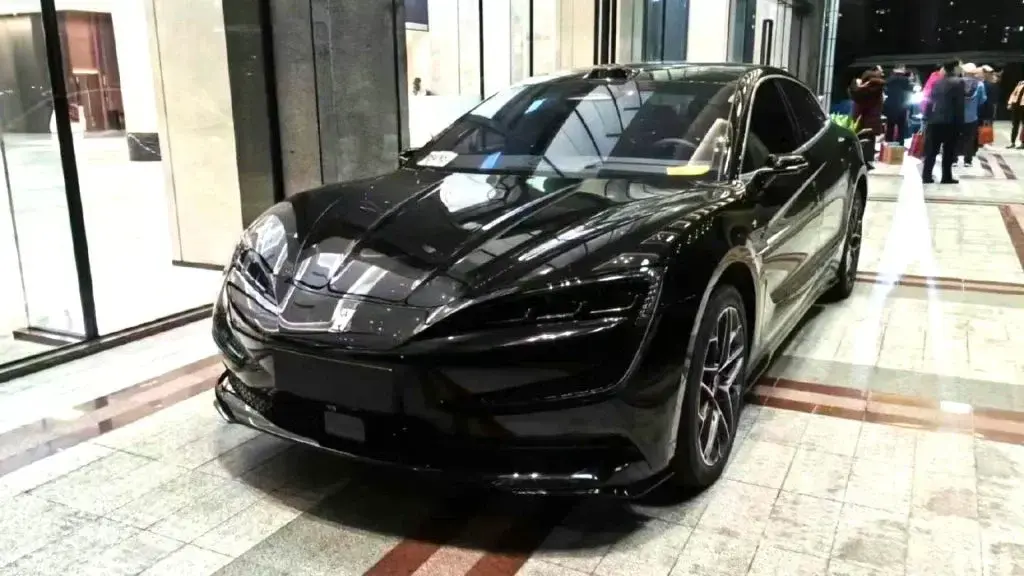
    Prolific Chinese EV manufacturer BYD is working on the YangWang U7, a sedan packing a 135.5kWh battery that delivers up to 800km of range. The new BYD EV will offer two CLTC cruising ranges – 720km and 800km. The new detail was culled from the latest catalog of NEVs exempted from vehicle purchase tax. The catalog was released by the Chinese Ministry of Industry and Information Technology. Recall that the company recently announced the YangWang U8.

    Preparing for Market Launch

    The U7 is being prepared for its market launch in China, having earlier applied for the sales license last month. BYD is the world’s biggest new energy vehicle maker and the YangWang brand is a luxury unit of the carmaker. YangWang currently sells the UB EREV offroader and the U7 will expand the YangWang portfolio. YangWang is also reportedly working on two other models apart from the U7. These are the U9 sports car and a fastback crossover whose name has not been revealed.

    Battery Details and Performance

    The Ministry’s catalog indicates that the YangWang U7 has an LFP battery manufactured by BYD’s FinDreams with a capacity of 135.5kWh. The battery weighs 903kg which translates to about a third of the electric sedan’s full weight of 3095kg. The substantial weight of the battery is due to its chemistry and configuration. There are several other batteries with higher capacity and less weight than the U7. The difference in the CLTC cruise ranges is due to the drag coefficient, as the curb weight and combined power output are similar. The U7 comes with four electric motors with a total power output of 960kW and a top speed of 270km/h.

    Design and Features

    The YangWang U7 will come with optional side-view cameras in place of traditional mirrors. It will also feature aerodynamic wheel covers and optional bumpers. With its full complement of aerodynamic elements in place, the U7 can achieve a drag coefficient of 0.195 Cd. It runs on the e4 platform (also called the YiSiFang) and implements the brand’s three-screen layout. The interior offers either four or five seats and the dimensions of the U7 are 5265 x 1998 x 1517 mm with a wheelbase of 3160mm.

    Pricing & Availability

    The YangWang U7 is expected to debut in China later this year but the release specifics and pricing details are lacking at this time.

    The Revealed BYD YangWang U7 EV Boasting an 800km Range and a Remarkable 135.5kWh Battery
    BYD YangWang U7
  • BYD extends its Electric Vehicle leadership in Singapore and Philippines

    BYD extends its Electric Vehicle leadership in Singapore and Philippines

    Chinese electric vehicle (EV) giant BYD is planning an aggressive expansion in the Association of Southeast Asian Nations (ASEAN) region, with a particular focus on Singapore and the Philippines. The company, which recently entered the Indonesian market, aims to double its sales outlets in Singapore and the Philippines by 2024.

    BYD’s Strategy for ASEAN Market

    James Ng, BYD’s Managing Director for Singapore and the Philippines, has highlighted the company’s strategy to establish a stronger presence in the ASEAN market. The cultural alignment between the ASEAN market and China has played a crucial role in BYD’s success, as consumer behavior in the region reflects recognition of BYD’s products.

    Unveiling the Yuan Up

    BYD recently unveiled a new compact electric SUV called the Yuan Up, which is poised for mass market appeal. This launch marks a significant milestone in BYD’s journey in the ASEAN region. The company has formed local partnerships with Sime Darby Motors in Singapore and the Philippine conglomerate Ayala to facilitate the sale of its EVs.

    Expansion Plans

    In the Philippines, BYD aims to expand its network by adding more than 20 sales points, while in Singapore, plans include opening two or three additional outlets. BYD has already achieved success in Singapore, where it registered over 1,400 cars in 2023, making it the top EV brand in the country, surpassing even Tesla. The EV market in Singapore has experienced significant growth, with electric vehicles accounting for over 18% of new car registrations in 2023, a substantial increase from 2021 levels.

    Collaboration for Skilled Technicians

    To support the growing demand for skilled technicians in Singapore, BYD has collaborated with NTUC LearningHub to launch a facility for EV mechanic training. The goal is to train 500 people annually in EV maintenance, aligning with BYD’s commitment to the region.

    BYD’s Dedication to Localization

    BYD’s Managing Director, James Ng, emphasized the company’s dedication to learning from its successes in Singapore and applying best practices for localization when expanding in the Philippines. With plans to open more than a dozen passenger car sales outlets in Singapore and the Philippines in 2024, BYD aims to strengthen its market position and contribute to the booming EV landscape in ASEAN.

  • China’s Electric Vehicle Revolution: Surpassing subsidy reductions, propelling global EV dominance through extraordinary sales achievements

    China’s Electric Vehicle Revolution: Surpassing subsidy reductions, propelling global EV dominance through extraordinary sales achievements

    China Continues to Lead Global Electric Vehicle Sales

    China, the driving force behind the global electric vehicle (EV) surge, continues to defy expectations with record-breaking sales, particularly in October. Despite the conclusion of an 11-year subsidy scheme for EV purchases in 2022, local authorities in China have stepped in, offering aid, tax rebates, and subsidies, fueling a remarkable 29% year-to-date increase in September. Notably, October’s figures reveal that China’s EV demand remains robust, showcasing resilience even after subsidy cuts.

    China’s Dominance in the Global EV Market

    Mainland China’s dominance in the global EV market is unmistakable, representing a staggering 55% of global EV sales in H1 2023, accounting for 3.4 million units. While the growth rate has moderated to 43%, a notable decrease from the extraordinary 118% seen in H1 2022, the sheer volume underscores China’s pivotal role in the ongoing EV revolution.

    Challenges and Opportunities

    The end of China’s EV support scheme did not come without challenges. Disruption, uncertainty, and a price war ensued, with Tesla leading the charge. BYD, a prominent Chinese EV brand, emerged as a leader, facing headwinds from a Tesla-led price war that posed challenges for smaller brands in the fiercely competitive market.

    Continued Strong Performance Expected

    However, experts anticipate a continued strong performance for China in 2023, asserting its position as the world’s largest auto market and a key driver of global EV sales. The final two months of the year are projected to be seasonally high for vehicle sales in China.

    Resilience and Adaptability

    As the global EV market charts new territory, China’s steadfast commitment to sustaining EV demand, despite subsidy cuts, underscores the resilience and adaptability of the country’s burgeoning electric vehicle sector. The nation’s ability to navigate challenges and maintain momentum positions it as a linchpin in the ongoing global transition toward sustainable transportation.

  • LiDAR and Mobileye’s Chauffeur Autonomous Driving System to be Integrated in Polestar 4

    LiDAR and Mobileye’s Chauffeur Autonomous Driving System to be Integrated in Polestar 4

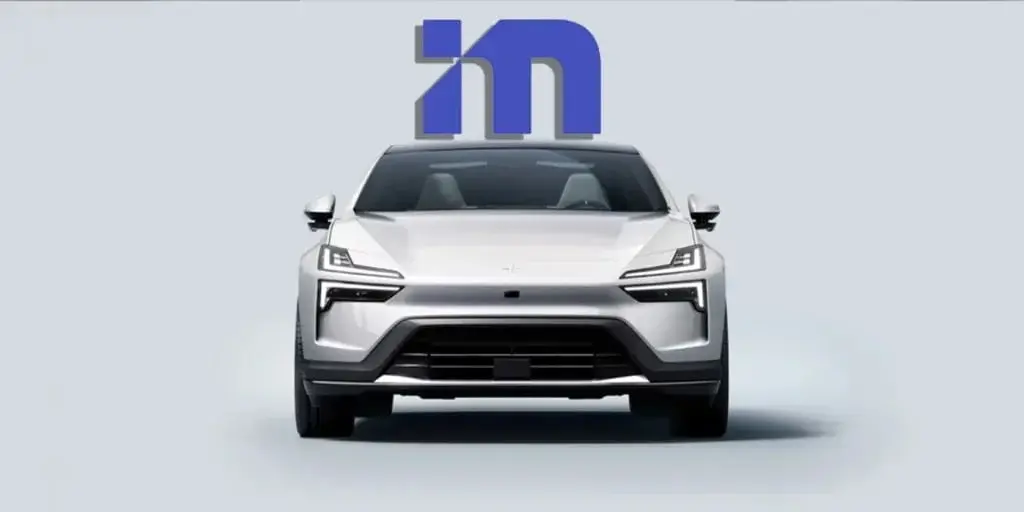
    The Polestar 4 is set to redefine the boundaries of autonomous driving with the integration of two groundbreaking technologies: Luminar LiDAR and Mobileye Chauffeur. As a subsidiary of Volvo and a brand known for its commitment to sustainability, Polestar is pushing the boundaries of the electric vehicle (EV) industry.

    Groundbreaking Technologies

    The integration of Luminar's LiDAR technology is a game-changer in the EV industry. LiDAR, which stands for Light Detection and Ranging, uses pulsed laser light to measure distances. This technology allows the Polestar 4 to accurately detect and navigate its surroundings, greatly enhancing its autonomous driving capabilities. This advancement is crucial for safer and more reliable autonomous driving experiences.

    Complementing LiDAR is Mobileye Chauffeur, an autonomous driving system developed by Mobileye, an Intel company. This system equips the Polestar 4 with Level 3 autonomy capabilities. In automotive terms, Level 3 autonomy means the vehicle can handle most driving tasks independently but requires human intervention in more complex or challenging scenarios. This level of autonomy is a significant leap from the more common Level 2 systems that require constant human oversight.

    Leading the EV Market

    The combination of LiDAR and Level 3 autonomy places the Polestar 4 at the forefront of the EV market. This integration of groundbreaking technologies represents a significant step towards fully autonomous vehicles and underscores Polestar's commitment to leading the EV sector, particularly in the realm of self-driving cars.

    A Milestone for the EV Industry

    Not only is this a milestone for Polestar, but it also signifies a broader shift in the EV industry. The integration of complex and sophisticated technologies highlights the evolution of EVs from environmentally friendly alternatives to technologically advanced vehicles. The Polestar 4 is more than just another EV; it is a testament to the potential of electric mobility and the future of autonomous driving.

    With the introduction of the Polestar 4, Polestar is set to make a definitive impact on the EV industry. By incorporating Luminar LiDAR and Mobileye Chauffeur, the brand is pushing the boundaries of autonomous driving and positioning itself as a leader in the field. This integration of groundbreaking technologies not only enhances the vehicle's autonomous driving capabilities but also showcases the industry's move towards more advanced and sophisticated EVs. The Polestar 4 represents the future of electric mobility and the potential of fully autonomous vehicles.