
Tag: electric van

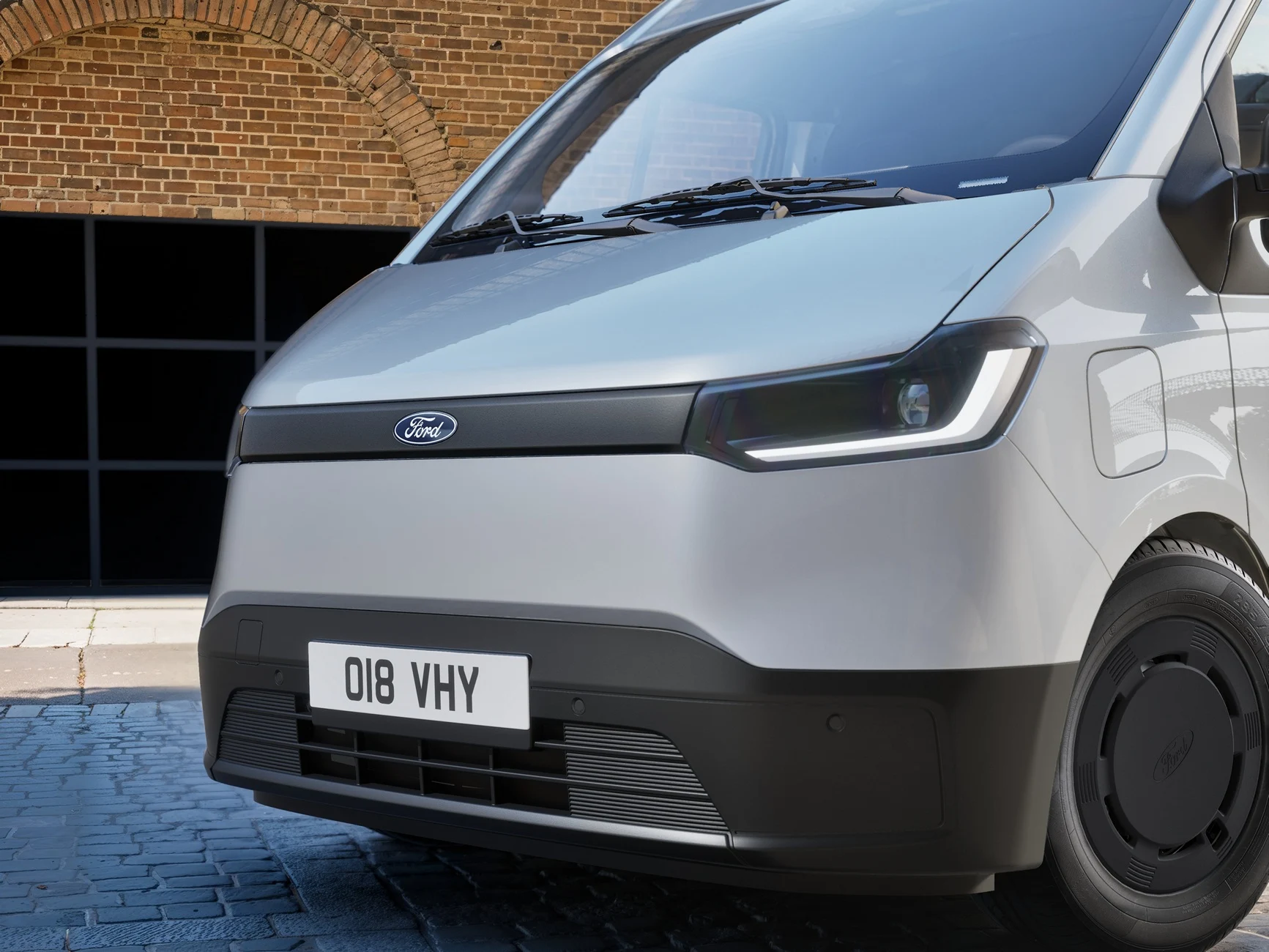
  • Ford Transit City: New 1-Ton EV Van with Chassis Cab Option

    Ford Transit City: New 1-Ton EV Van with Chassis Cab Option

    Key Takeaways

    1. Ford Pro is launching the Transit City, an electric van designed for urban delivery and tradespeople, available in two panel van versions and a single-cab chassis.
    2. The top model can carry up to 1,275 kg, with a load capacity of eight cubic meters and a loading length of over three meters.
    3. The van features a 56 kWh battery with a range of 254 km, suitable for typical daily commercial use, with an 11 kW onboard charger for overnight recharging.
    4. Charging times are efficient, allowing the battery to go from 10 to 80 percent in just 33 minutes with a DC fast charger option available.
    5. Additional features include One-Pedal-Drive, heated seats, a 12-inch touchscreen, and a warranty of eight years for the high-voltage battery.


    Ford Pro is stepping into the compact commercial vehicle sector. The company, based in Cologne, is introducing the new Transit City, which is an electric van tailored specifically for delivery services and tradespeople working in city environments. This front-wheel-drive vehicle is set to debut at the end of the year, available in two panel van versions and—as a first for the 1-tonne class—a single-cab chassis suitable for custom modifications.

    Payload and Specifications

    In its top L2H2 model, the Transit City can handle a load of up to 1,275 kilograms. It boasts a load capacity of about eight cubic meters and a loading length exceeding three meters. The shorter L1H1 version can fit three Euro pallets. The power comes from a 150 hp electric motor.

    Battery and Charging Details

    When looking at the battery and charging features, it’s clear that Ford has designed the technology specifically for commercial applications. The datasheet indicates that the 56 kWh battery, using strong LFP technology, provides an impressive range of 254 km—more than double the average daily travel distance in this category.

    Typically, commercial fleets recharge their vehicles overnight at their depots. The standard 11 kW onboard charger is adequate for such needs. This setup allows for a full charge at the end of a shift in just four and a half hours. For those needing a quicker charge during the day, the optional 22 kW charger could be beneficial, but if time is critical while on trips, the electric van can still access a maximum of 87 kW when connected to a DC fast charger.

    Charging Times and Features

    This setup enables the Transit City battery to go from 10 to 80 percent in just 33 minutes. The electric van comes from the factory with features like One-Pedal-Drive, heated seats, a 12-inch touchscreen, and wireless connectivity for Apple CarPlay and Android Auto. Ford has also increased the service intervals to two years or 40,000 kilometers, and the high-voltage battery is backed by an eight-year warranty.

    Source:
    Link


  • Kia Beats Tesla with PV5 Cargo Van Range and Model 3 Efficiency

    Kia Beats Tesla with PV5 Cargo Van Range and Model 3 Efficiency

    Key Takeaways

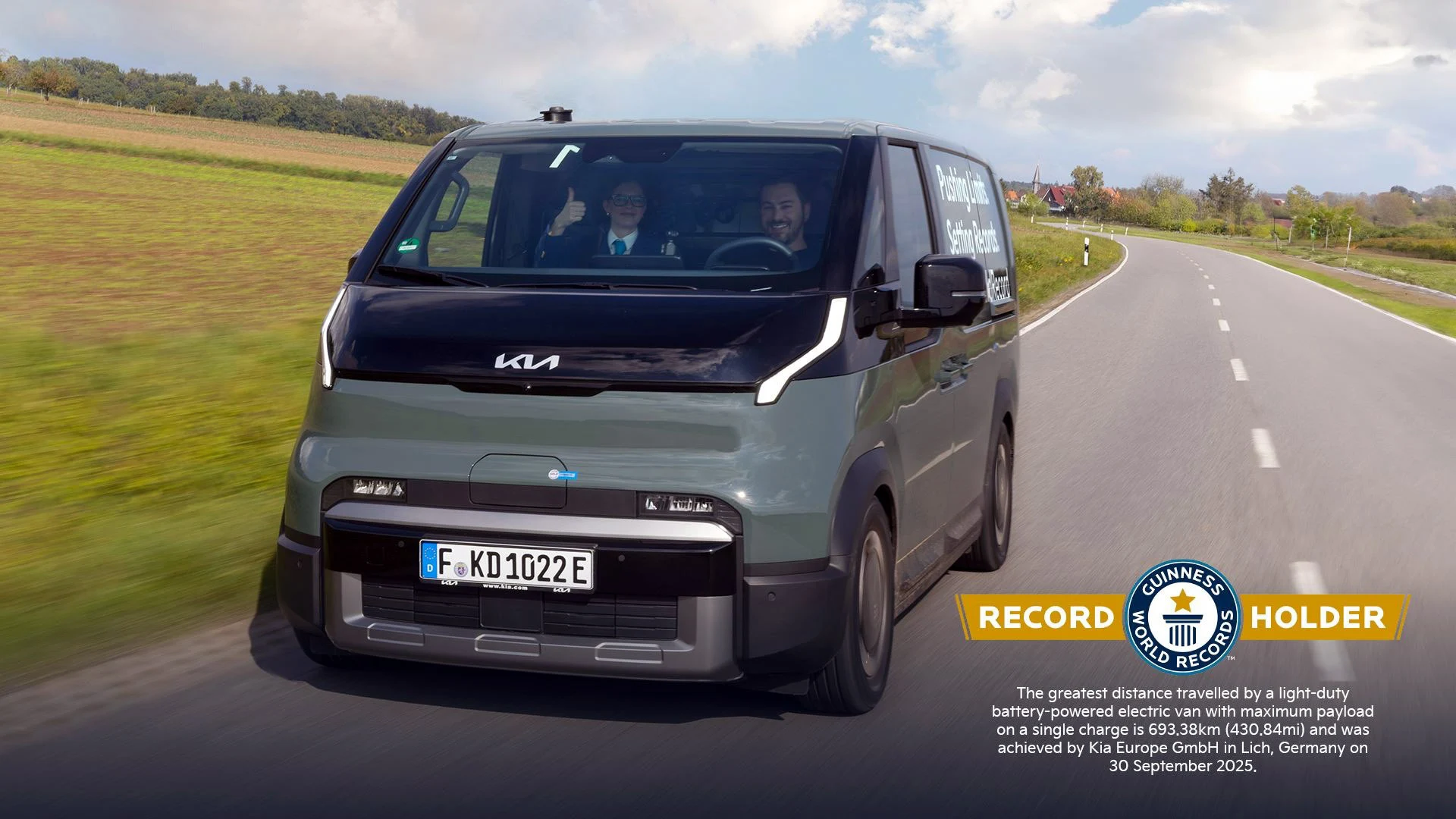
    1. The Kia PV5 electric van set a Guinness World Record by traveling over 430 miles on a single charge with a 71 kWh battery while carrying nearly 1,500 pounds.
    2. The real-world test was conducted on a 36-mile loop simulating typical city and highway driving, completed in over 22 hours while adhering to the maximum weight rating.
    3. The van achieved an efficiency of around 11 kWh per 100 km (17.7 kWh per 100 miles), outperforming many similar vehicles, including the Tesla Model 3.
    4. The PV5 offers fast DC charging, reaching 80% capacity in just 30 minutes, and has batteries that maintain capacity better over time compared to other brands.
    5. The PV5 series can be configured for passenger or cargo use, with a starting price of around $37,000 projected for the U.S. cargo variant in 2026.


    The Kia PV5 electric van has achieved a remarkable feat by traveling over 430 miles on a single charge from its 71 kWh battery, setting a Guinness World Record for loaded light cargo vehicles.

    Real-World Testing

    Despite carrying a payload of nearly 1,500 pounds, this Kia van completed a journey designed to reflect everyday driving conditions. The test was conducted on a 36-mile (58 km) loop that featured a typical blend of city streets and highways, simulating the routes that delivery drivers commonly navigate.

    It took a dedicated van reviewer along with a PV5 development engineer more than 22 hours to cover this impressive distance, all while adhering to the maximum Gross Vehicle Weight Rating (GVWR).

    Efficiency Stats

    The van’s 430-mile range translates to an efficiency of around 11 kWh per 100 km, or 17.7 kWh per 100 miles. This is quite an achievement for a cargo vehicle that tipped the scales at over 2.5 tons during the test. For context, Tesla Model 3 drivers have reported a similar efficiency of 18 kWh per 100 miles in optimal situations, but the more average figure is around 22 kWh.

    To emphasize its efficiency, Kia conducted additional tests without any cargo. They claim that for every 100 kg (220 pounds) of cargo added, the PV5 only experiences a 1.5% reduction in range when it is empty. This means that Kia’s first electric van, built on Hyundai’s modern modular platform for electric vehicles, could have extended its range by about 40 miles without the hefty 1,500-pound load.

    Charging and Configurations

    In addition to its impressive efficiency, the new Kia van offers the brand’s standard fast DC charging, which can charge the battery up to 80% in just 30 minutes. The battery itself is also expected to have a longer lifespan, as a recent study on EV longevity indicated that Kia’s batteries hold onto their capacity better over time compared to those in Tesla or other electric vehicle brands.

    The PV5 series can be tailored to function as either a passenger or cargo vehicle, and there’s also a version suited for people with reduced mobility. In the United States, the PV5 cargo variant is projected to start around $37,000 when it makes its debut in 2026.


    Source:
    Link