
Key Takeaways
1. Dust devils on Mars can create electrical discharges, proving a long-held scientific theory.
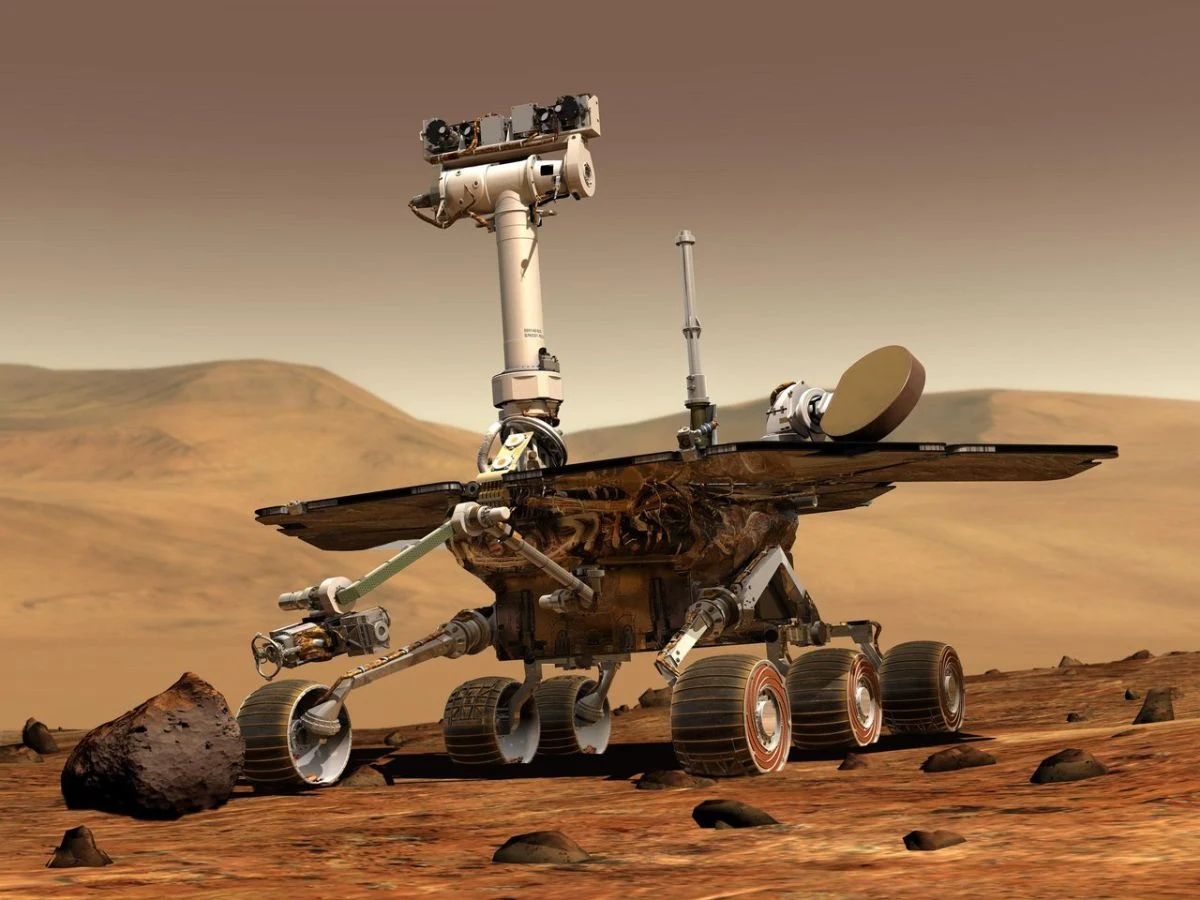
2. The Perseverance rover recorded audio and signals from a dust devil, confirming the presence of sparks.
3. Dust particles colliding inside dust devils generate electrical charges through the triboelectric effect.
4. Mars’ thin atmosphere reduces the charge needed for sparks, allowing for significant electrical activity.
5. Understanding these discharges is important for assessing risks to robotic missions and future human exploration on Mars.
Dust devils are little whirlwinds that spin and lift up dust and sand as they travel across the surface of Mars. For a long time, scientists have believed that these dust devils can create electrical discharges. Now, they have finally been able to prove their theory.
Capturing the Sound of Dust Devils
The Perseverance rover’s SuperCam instrument recorded audio and electromagnetic signals when a dust devil went by. Researchers confirmed that the “snap” sound heard in the recordings came from a spark generated inside the dust devil.
They found out that dust particles within these dust devils bump into each other, creating electrical charges. When these charges grow strong enough, they can produce a spark. This is known as the triboelectric effect.
The Role of Mars’ Atmosphere
It was expected that the charges from the dust particles would be too weak to cause any sparks. However, Baptiste Chide, a member of the Perseverance team, pointed out that the thin atmosphere on Mars lowers the amount of charge needed to produce a spark.
The consequences of this finding are significant. These electrical discharges can lead to the creation of chlorates and perchlorates, which are chemicals that can break down organic molecules essential for life. Additionally, electrical charges may help in the rapid destruction of methane, possibly explaining why methane disappears so quickly on the Red Planet.
Understanding Future Risks
Fortunately, there have been no reports of electrical discharges harming Mars rovers. Still, this confirmed discovery could be crucial for scientists to assess potential risks for ongoing robotic missions and future human expeditions. This significant finding was published in Nature on November 26.
Nature via NASA
Source:
Link