
Tag: DIY drone

  • Lightweight Open-Source 3D-Printed Drone Reaches 67 MPH

    Lightweight Open-Source 3D-Printed Drone Reaches 67 MPH

    Key Takeaways

    1. Max Imagination created a custom drone named ESP-Blast that can exceed speeds of 108 km/h (67 mph) using an affordable ESP32 microcontroller.
    2. The project was inspired by DIY drone teams Benjamin Bigg and the Bells, who have been competing to create the fastest RC quadcopters.
    3. Max collaborated with Benjamin to combine their expertise in building high-speed drones for this project.
    4. The drone’s components cost around $155, including propellers, a microcontroller, and a GPS unit, with the frame 3D-printed from durable PETG material.
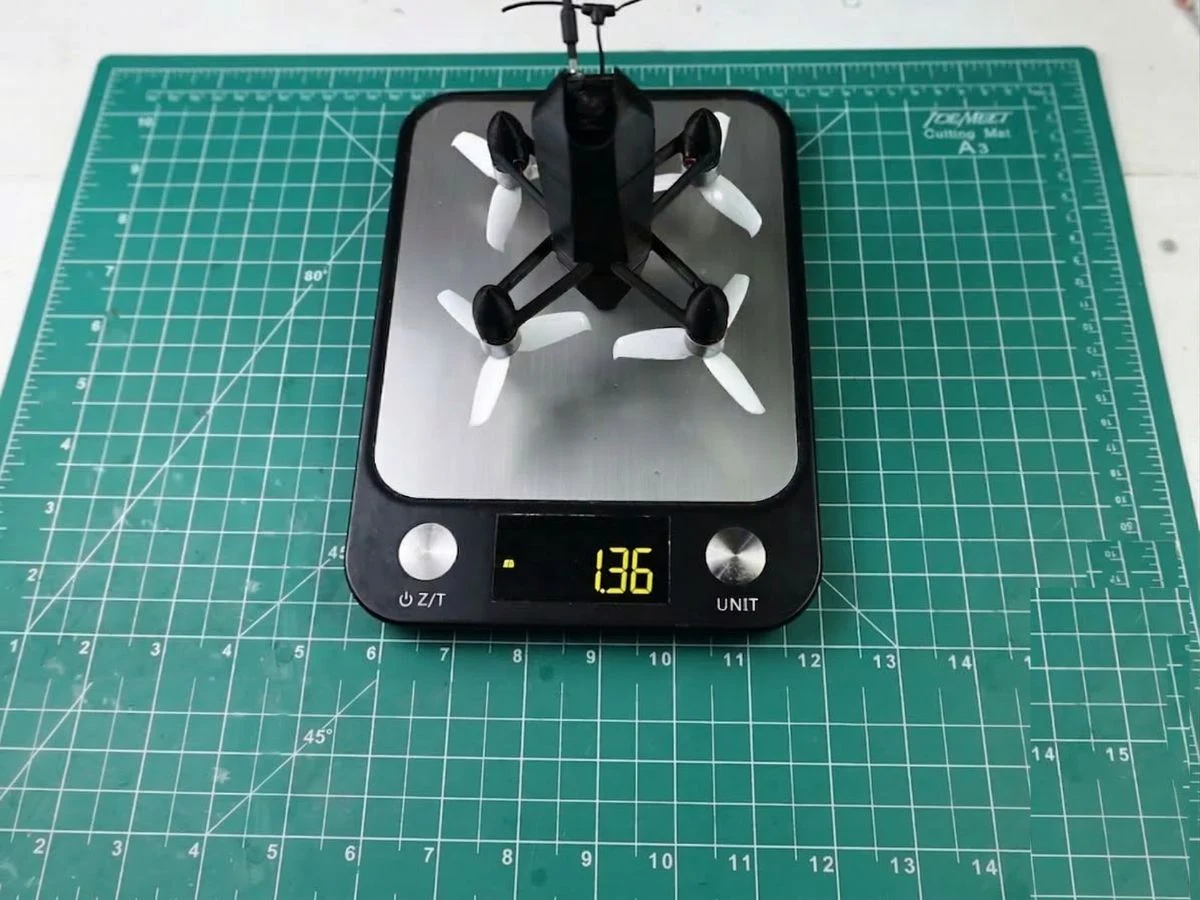
    5. The ESP-Blast weighs 136 grams, has a flight time of about five minutes with a 450 mAh battery, and Max plans to enhance its speed in future versions.


    In a fresh video on YouTube, DIY engineer and creator Max Imagination unveiled his newest invention — a small, custom-made drone that can reach speeds exceeding 108 km/h (67 mph). This remarkable drone was assembled using the affordable yet robust ESP32 microcontroller.

    Inspiring Collaborations

    Max states that he drew motivation for this project from two DIY drone teams: Benjamin Bigg on one end, and the Bells — Luke and Maximo Bell — on the other. Over the past few months, these teams have consistently outdone each other in achieving the fastest RC quadcopters, with the latest drone surpassing previous records.

    Collaboration and Expertise

    For this endeavor, Max — who is famous for his impressive electronic projects and for sharing tutorials and 3D models — teamed up with Benjamin to leverage his knowledge in high-speed drones.

    Building the ESP-Blast

    Max invested around $155 on the necessary parts, which included propellers, a microcontroller, ESCs, a barometer, a GPS unit, and more. The frame of the drone was 3D-printed using an Elegoo Neptune 4 Plus 3D Printer (currently priced at $349.99 on Amazon) and made with durable PETG material.

    After going through assembly, tests, crashes, and repairs, the compact drone — affectionately named ESP-Blast — reached speeds well above 100 km/h. It features a 450 mAh battery that enables it to fly for about five minutes and weighs only 136 grams. Max has plans for future versions to further enhance the drone’s speed.
  • DIY Engineer Creates $220 Drone with Semi-Autonomous Flight

    DIY Engineer Creates $220 Drone with Semi-Autonomous Flight

    Key Takeaways

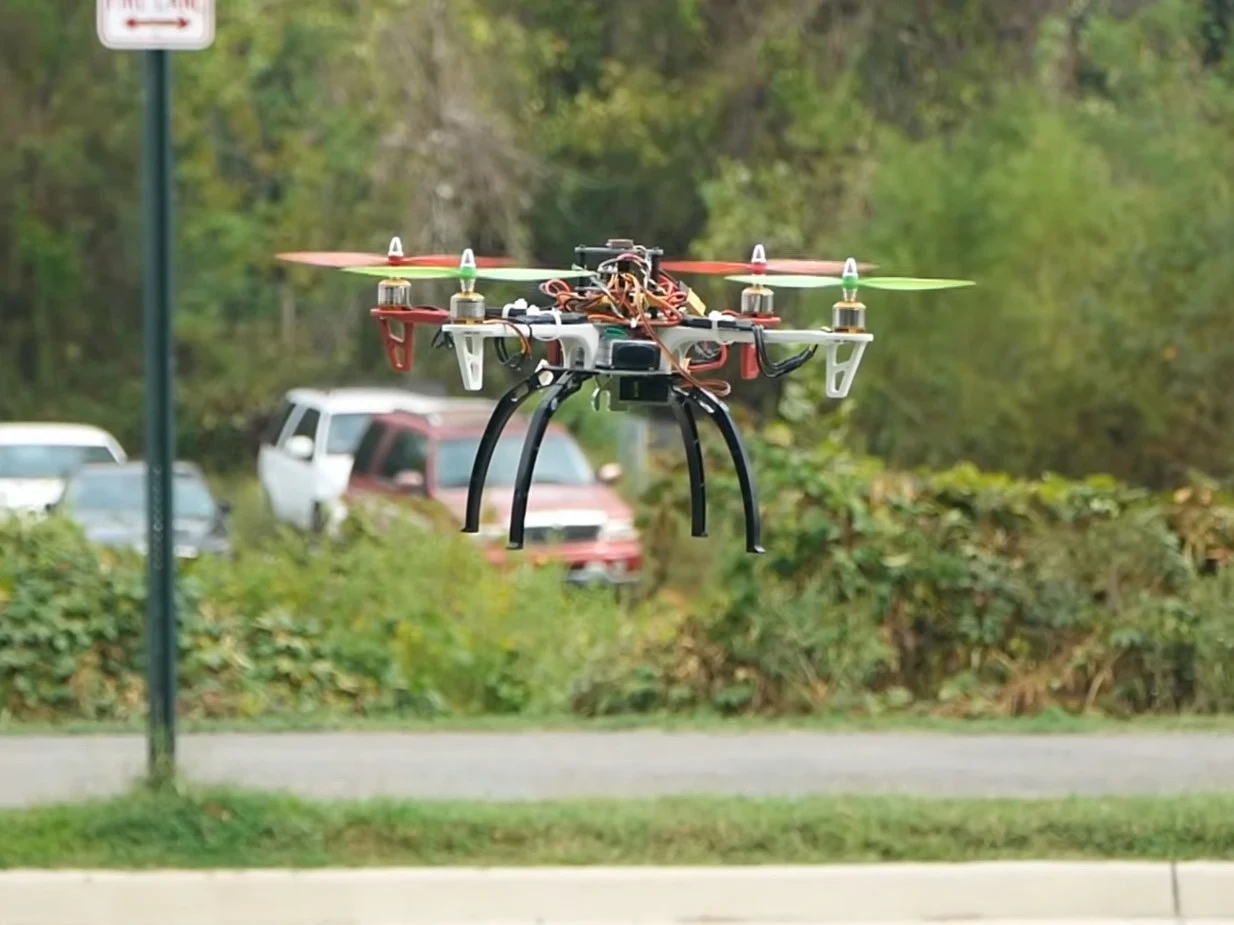
    1. Hoarder Sam built a semi-autonomous drone that can navigate to waypoints and carry about 2 lbs (1 kg).
    2. The video includes a detailed guide on the building process, with most parts ordered online and some made with a 3D printer.
    3. The drone features an HGLRC-M100 mini GPS unit and a compass for autonomous navigation.
    4. A latch-based “airdropping system” was added, using an MG995 servo motor for payload delivery.
    5. The total cost of components for the drone is around $220, excluding servo motor expenses.


    DIY engineer and YouTuber Hoarder Sam, known for his drone videos, has shared a new clip featuring a semi-autonomous drone he constructed. This drone can navigate to specific waypoints on its own and can carry a load of approximately 2 lbs (1 kg).

    Video Overview

    True to his style, the video not only shows the drone flying but also serves as a detailed guide to the building process. Most parts were ordered online, while a few were made using a 3D printer. The most expensive component was the flight controller, which cost $42.45.

    Technical Details

    For navigational assistance, he outfitted the drone with an HGLRC-M100 mini GPS unit that has a built-in compass. This setup enables the drone to maintain its location and navigate autonomously along designated paths. Additionally, a radio system was incorporated for communication purposes.

    Payload Delivery System

    Moreover, he introduced a latch-based “airdropping system” that utilizes a basic MG995 servo motor, allowing the drone to transport and release payloads. The overall cost for the components used in this build amounts to around $220, excluding the servo motor expenses.

    As mentioned earlier, Hoarder Sam is quite experienced in creating DIY drones. Just about a week and a half ago, we discussed his construction of a 0.88-inch drone featuring 4 overlapping propellers. He successfully flew this drone, though it only managed to stay airborne for 2 minutes and 30 seconds.