Tag: digital gaming

  • Gamer Discovers the Decline of Physical Games

    Gamer Discovers the Decline of Physical Games

    Key Takeaways

    1. u/Dark_Dragon117 is experiencing a complete internet outage, affecting his ability to play digital games on PC and PS5.
    2. The decline of physical media is creating a greater dependence on stable internet connections for gaming.
    3. Many gamers relate to this issue, highlighting concerns about DRM and the feeling of renting rather than owning games.
    4. Community members are sharing workarounds, such as using DRM-free platforms and offline modes, to mitigate issues from internet outages.
    5. The core problem stems from strict license checks and reliance on external servers, which can disrupt gaming during temporary internet issues.


    Reddit user u/Dark_Dragon117 is facing a very annoying issue: since Monday morning, his internet has been completely out, with no clear reason or timeline for a fix. For a gamer, this has a surprisingly big impact. He can’t access any of his planned single-player games, whether on PC or PlayStation 5. On PC, he can’t get to his cloud saves when he’s offline, and the PS5 won’t verify digital licenses without an internet connection. The situation is worse compared to past outages – during previous two-week blackouts, he could still play thanks to a collection of physical games. Now, since most of his games are digital, he’s basically locked out of his own content.

    A Broader Perspective

    In a Reddit thread, u/Dark_Dragon117 shares thoughts about the bigger picture of his situation. He believes that the decline of physical media isn’t just about losing nostalgia; it’s also about becoming more reliant on a stable internet connection for gaming every day. “I knew where the industry was going with the end of physical copies and stuff,” he writes, “but I just kinda realized now how bad it is and will be down the line.” His immediate hope? That his internet is back up before Hollow Knight: Silksong finally launches – a game he’s waited five years to play.

    Community Reactions

    Reactions in the thread are a mix of support and frustration. Many users relate to u/Dark_Dragon117’s problem, pointing to DRM and always-online rules as the main issue. “Ownership is being phased out according to the companies’ plans … you’re pretty much renting your game,” one comment mentions. Others think that shifting to digital purchases has only sped up the decline of physical media. Meanwhile, the community is actively sharing workarounds: using DRM-free platforms like GOG, setting up offline modes on Steam or PlayStation, creating mobile hotspots as a backup, or turning to retro consoles and emulators. The overall message? The problem isn’t with digital games themselves – it’s the strict license checks and dependence on external servers that turn temporary internet issues into major disruptions.

    Source:
    Link


  • Sony PlayStation Sued in Netherlands for Game Prices and Monopoly

    Sony PlayStation Sued in Netherlands for Game Prices and Monopoly

    Key Takeaways

    1. A Dutch consumer group has filed a class-action lawsuit against Sony PlayStation, alleging exploitation of customers through high digital game prices.
    2. The lawsuit highlights the limitations of the PlayStation Store, which restricts competition and prevents lower pricing for digital games.
    3. The Fair PlayStation campaign, initiated in February, has gained support from gamers and is making progress in the legal process.
    4. Similar to the Epic Games lawsuit against Apple, the case raises concerns about the broader implications of digital game pricing and market control.
    5. Consumers are seeking changes, such as the ability to sell or lend digital games, which are currently tied to individual PSN accounts.


    A Dutch group advocating for consumers has launched a class-action lawsuit against Sony PlayStation, claiming they are taking advantage of customers. The Stichting Massaschade & Consument Foundation points out that Sony is leveraging its strong market position. The lawsuit primarily focuses on the limiting nature of the PlayStation Store, which compels consumers to pay higher prices for digital versions. While some believe the lawsuit may not succeed, it could lead to alterations in the way Sony markets PS5 games.

    Origins of the Lawsuit

    The PlayStation lawsuit began in February, when the consumer advocacy group initiated the Fair PlayStation campaign. With backing from gamers, the case has now made significant progress.

    Pricing Concerns

    Many consumers are unhappy about paying much more for digital games on PlayStation compared to physical copies. Although the PlayStation Store does have sales, they often do not match the deals offered by retail stores. The foundation accuses Sony of preventing third-party marketplaces from operating on its consoles. Increased competition could result in lower prices at the PlayStation Store. This situation is similar to the Epic Games lawsuit against Apple in the EU over its unfavorable App Store practices.

    Broader Implications

    Sony isn’t the only company that may be profiting from the rise in digital gaming. Xbox users have discovered that acquiring physical games is becoming more challenging. Even some discs only contain minimal data, relying heavily on downloads for full installation. However, Microsoft’s reduced focus on the Series X and S makes the PS5 even more prominent in the market. The Stichting Massaschade & Consument Foundation estimates that over 80% of gamers in the Netherlands with home consoles have a PlayStation.

    Possible Solutions

    Some consumers have proposed that a simpler method to sell or lend their digital PlayStation games could be a remedy. Presently, purchases made in the store are tied to PSN accounts and cannot be transferred. If the lawsuit moves forward, a court hearing could be arranged sometime in 2025.

    Source:
    Link


  • Nintendo Switch 2 Game Prices Boost Digital Purchases, Analyst Says

    Nintendo Switch 2 Game Prices Boost Digital Purchases, Analyst Says

    Key Takeaways

    1. Xbox, PlayStation, and PC gamers are increasingly accepting digital gaming, while Switch fans are slower to shift from physical cartridges.
    2. Analysts are raising concerns about the high prices of Switch 2 games, with physical copies costing more than digital versions.
    3. Digital distribution is more cost-effective for Nintendo, especially due to rising manufacturing costs for physical cartridges.
    4. Nintendo is encouraging digital purchases with new features like virtual game cards, allowing some transferability between consoles.
    5. Other gaming companies, like Sony and Microsoft, may follow Nintendo’s lead and consider phasing out physical media due to rising costs.


    Xbox, PlayStation, and PC gamers have slowly started to accept digital gaming. In contrast, fans of the Switch have been a bit slower to make this shift, still building their collections of cartridges. Now, analysts are weighing in as consumers raise concerns about the pricing of several Switch 2 games. One expert suggests that Nintendo wants to encourage more players to move away from physical media.

    Analyst Insights

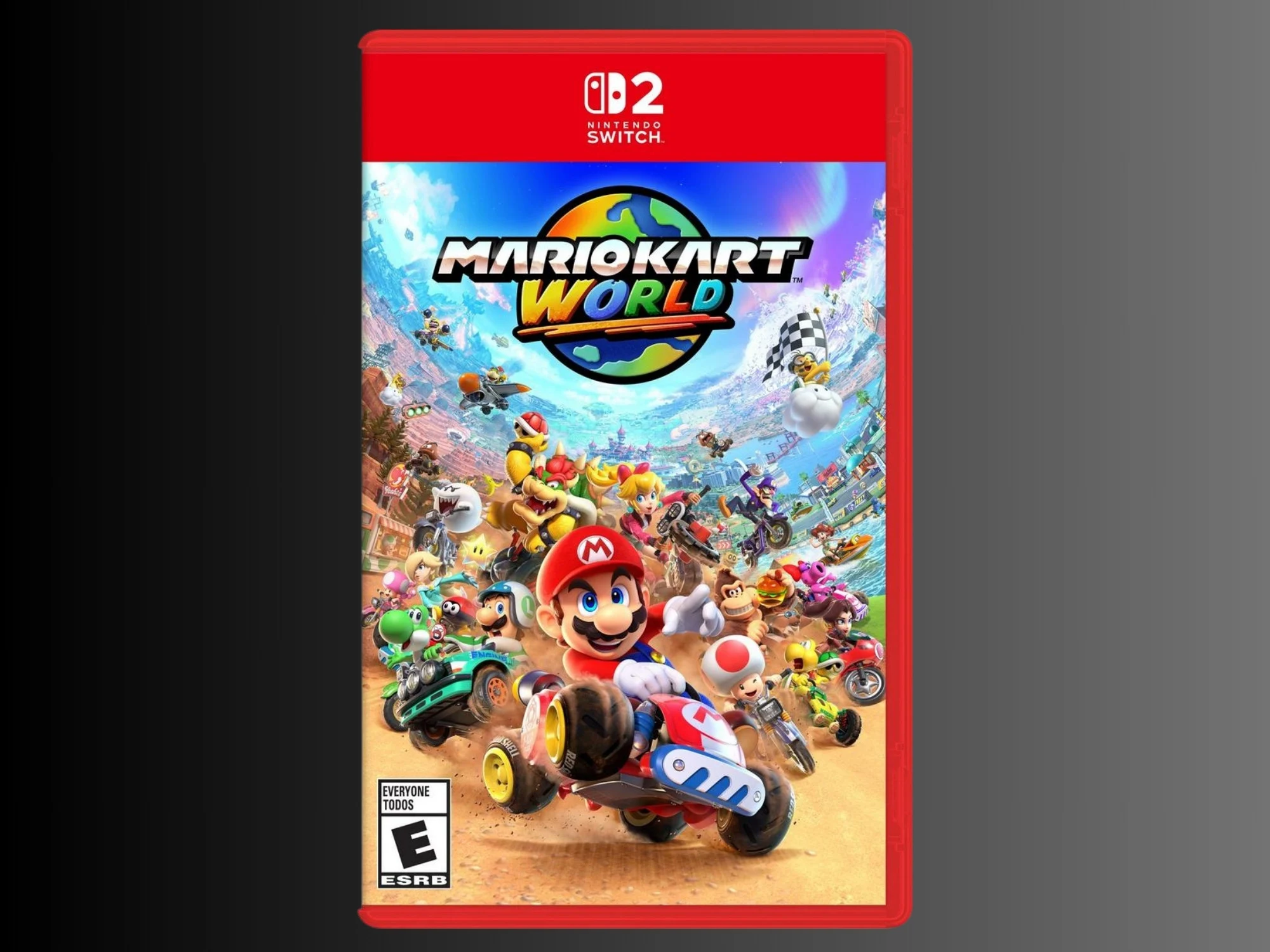
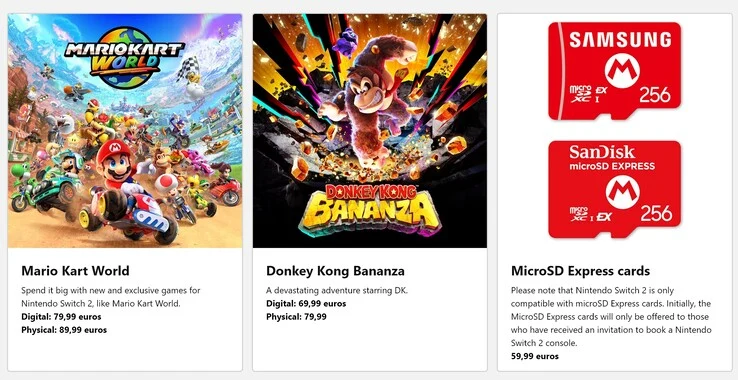
    MIDiA Games Industry Analyst Rhys Elliott has voiced his thoughts after the announcement of the Nintendo Switch 2 pricing. He pointed out the unexpectedly high prices for certain Switch 2 games, such as Mario Kart World. This popular kart racing game is going to an open-world format, but that freedom comes with a higher price tag. In certain regions, the physical version of Mario Kart World will cost 10 Euros more than the digital version. Elliott believes this is a tactic to cut down on manufacturing expenses during a tough economic climate.

    Digital Distribution Benefits

    Due to the high costs of making cartridges and their cases, digital distribution is a more cost-effective option for Nintendo. Some industry insiders suggest that the company might be using pricier 3D NAND flash memory for the Switch 2, which could lead to even higher costs. Additionally, the launch of virtual game cards shows how Nintendo is attempting to facilitate the shift towards digital purchases. With some restrictions, players can transfer their downloads between consoles similarly to how they would with physical cartridges.

    Elliott also noted that Nintendo doesn’t profit from the resale of physical media. The compact Switch cartridges are cheap to ship, making them popular on auction platforms. Unfortunately, Nintendo only benefits from the initial sale of these titles. In contrast, while virtual game cards can be shared, digital games are more closely linked to online accounts.

    Future Trends

    It might not be long before Sony and Microsoft take a page from Nintendo’s playbook. New tariffs in the U.S. are increasing the costs of manufacturing and importing consoles and game discs. Naturally, Nintendo’s competitors also have the choice to completely eliminate physical media from their offerings.

    Source:
    Link