
Key Takeaways
1. ASASSN-24fw is a star twice the size of our Sun, located 3,200 light years away, experiencing a significant brightness drop over 200 days.
2. The cause of the dimming is unclear, but theories suggest it may involve a brown dwarf with large rings or a Jupiter-sized exoplanet.
3. ASASSN-24fw is surrounded by debris from ancient collisions involving exoplanets.
4. Future research will utilize the Very Large Telescope to determine the star’s age and composition.
5. Further dimming of ASASSN-24fw’s brightness is expected in about 42 or 43 years, with findings to be published in the ‘Monthly Notices of the Royal Astronomical Society.’
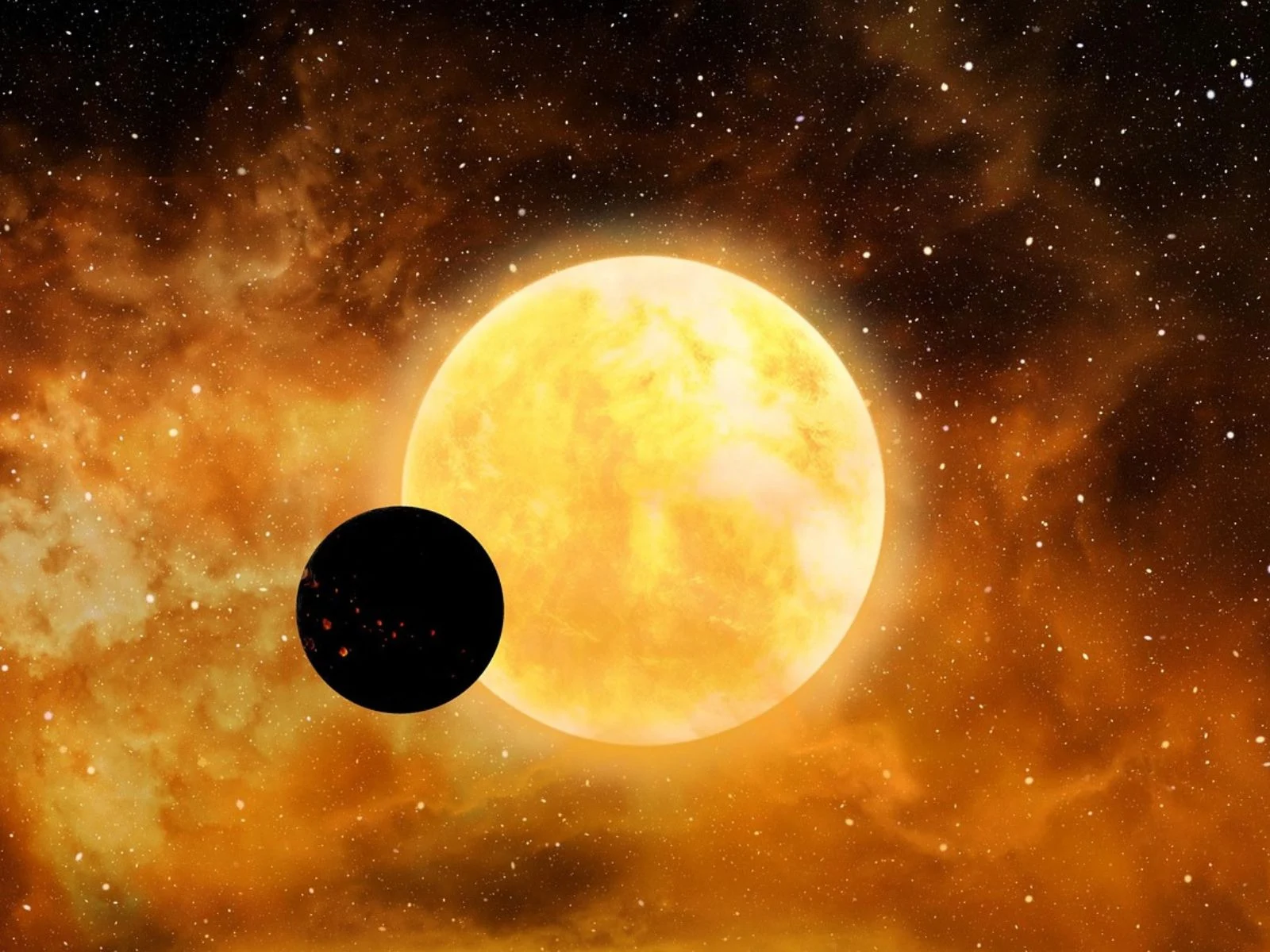
ASASSN-24fw is a star that measures twice the size of our Sun, situated 3,200 light years away from our planet. For many years, scientists believed this star was a stable entity, but its brightness has dropped over a span of 200 days, marking one of the longest declines ever observed. The specific cause of this dimming remains unclear, though several theories have emerged.
New Theories on Brightness Decline
Recent research suggests that this dimming could be linked to a brown dwarf encircled by massive, saucer-shaped rings that stretch more than 26 million kilometers. A brown dwarf is classified as a substellar object with a mass ranging from 13 to 75 times that of Jupiter, often seen as a star that didn’t fully form.
Possible Influences on ASASSN-24fw
In addition to the brown dwarf theory, astronomers also propose that a Jupiter-sized exoplanet might be behind this brightness drop. While the source of this celestial object is still not clearly defined, it is known that ASASSN-24fw is enveloped by debris made up of gas and dust, remnants from ancient collisions involving exoplanets.
Future Research Plans
As a result, further investigations will take place using the Very Large Telescope to uncover the star’s precise age and its makeup. This research could provide answers to many outstanding questions, especially since a future dimming of its brightness is anticipated in about 42 or 43 years.
Source:
Link