– Gearbox pivoted Borderlands from a gritty, realistic look to a bold cel-shaded, cartoonish art style, rebuilt the game from scratch, and pushed back the release.
– Take-Two (Strauss Zelnick) approved an extra $50 million to remake the game, a decision deemed non-obvious and risky at the time.
– The art-style remake is widely credited as a key factor in Borderlands’ later success and iconic identity.
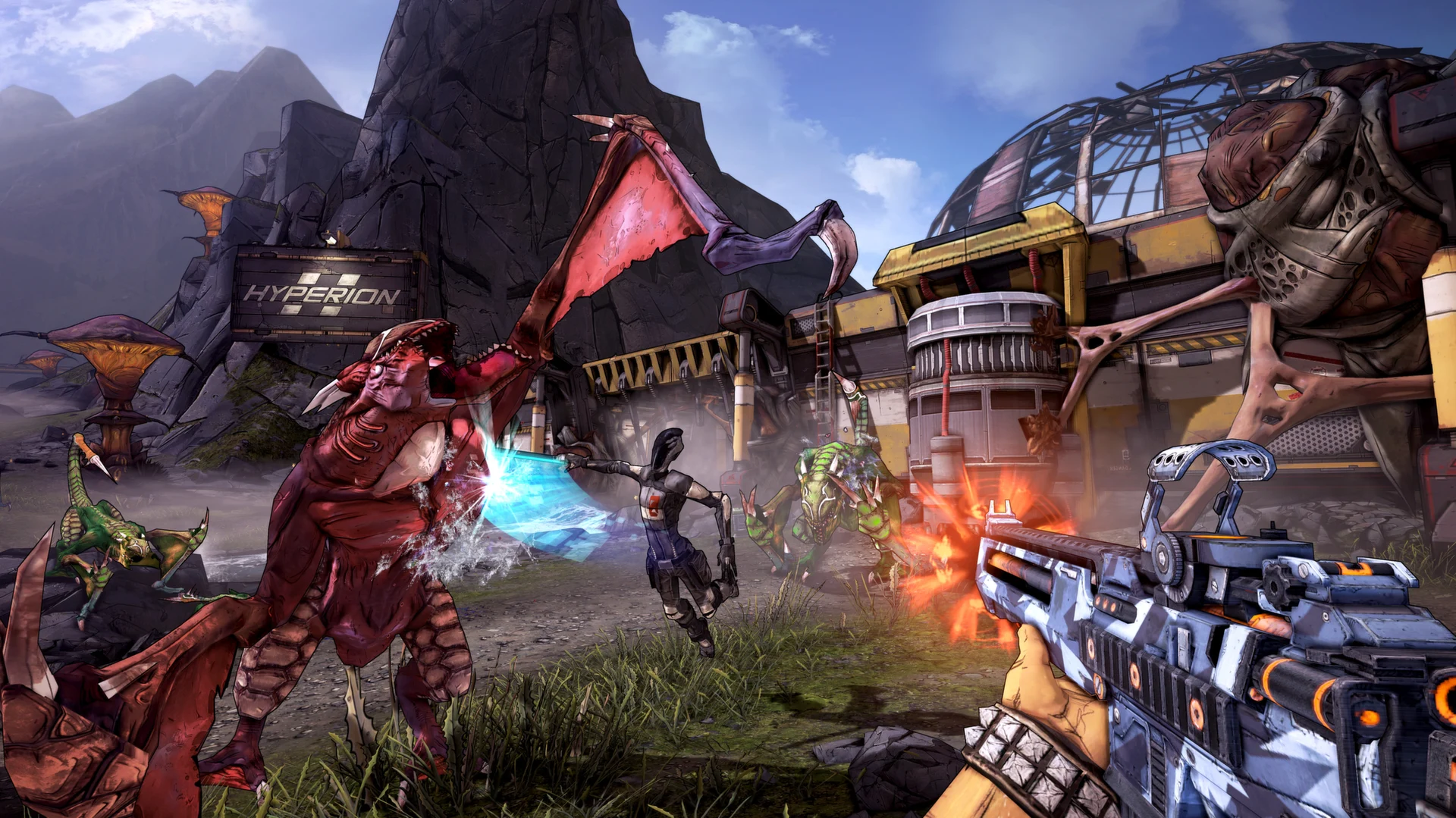
The tale here begins in the late 2000s when the first Borderlands was nearly finished and slated for a two month release window, yet the team at Gearbox Software took a longer, deeper look at the game’s original gritty, realistic visuals. The muddy, post-apocalyptic vibe that many Xbox 360 shooters of that era shared started to feel stale to them, so they decided to rethink things and start anew, which is a bold move for a project that already stood close to completion.
Reinvention and Risk
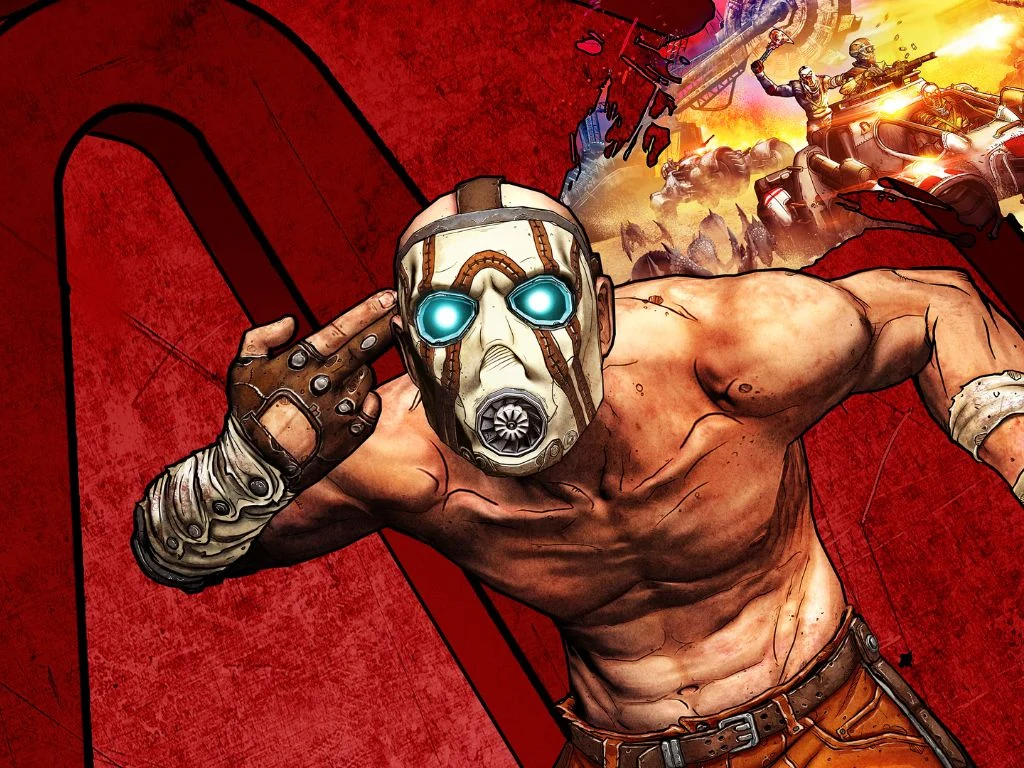
Gearbox Software rebuilt the entire game from scratch, opting for a cartoonish and vibrant cel-shaded comic book art style that would come to define the series. That choice, while creative and distinctive, carried substantial risk; it could have damaged both the franchise and the studio’s standing. Yet the team pressed forward, convincing Take-Two Interactive to supply an extra $50 million and to delay the release by more than a year, signaling a major vote of confidence in the new direction.
Leadership and Decision Making
The story was shared by Strauss Zelnick, the CEO of Take-Two Interactive, who recently spoke on a podcast hosted by David Senra. During the interview, he recalled how a Gearbox executive walked into his office toward the end of Borderlands’ development and laid out their concerns plainly: the art style was not appropriate, it was not differentiated, and they wanted to remake the game.
Curious, Zelnick said he dug in and did his homework before making a call. He added, in his words, that he supported the decision, and that the title became Borderlands. He noted that without that decision, Borderlands might not have achieved the success it did, describing it as non-obvious and something that few in the business would have pursued.
He even framed the dilemma with his own question and answer: why remake the game at all? Because the project was viewed as insane by some, with the fear that the team would be told to just release what existed, abandon the potential for something different, and not justify a $50 million remake into another art style.
Back in 2007, Take-Two had limited cash reserves, and early previews of Borderlands showed a grittier, more realistic world, reminiscent of Gears of War or early Fallout 3 concepts. The project then faded from the internet briefly before resurfacing in 2008 with its now-iconic cel-shaded look, which has since become a hallmark of the series.
Final Notes
Note that any references to retail listings or external purchase links for Borderlands or related products have been removed, and no sources or image credits are included here. The narrative above preserves the core transformation story that reshaped the franchise from its nearly finished state into a distinctive, stylized landmark in the series.