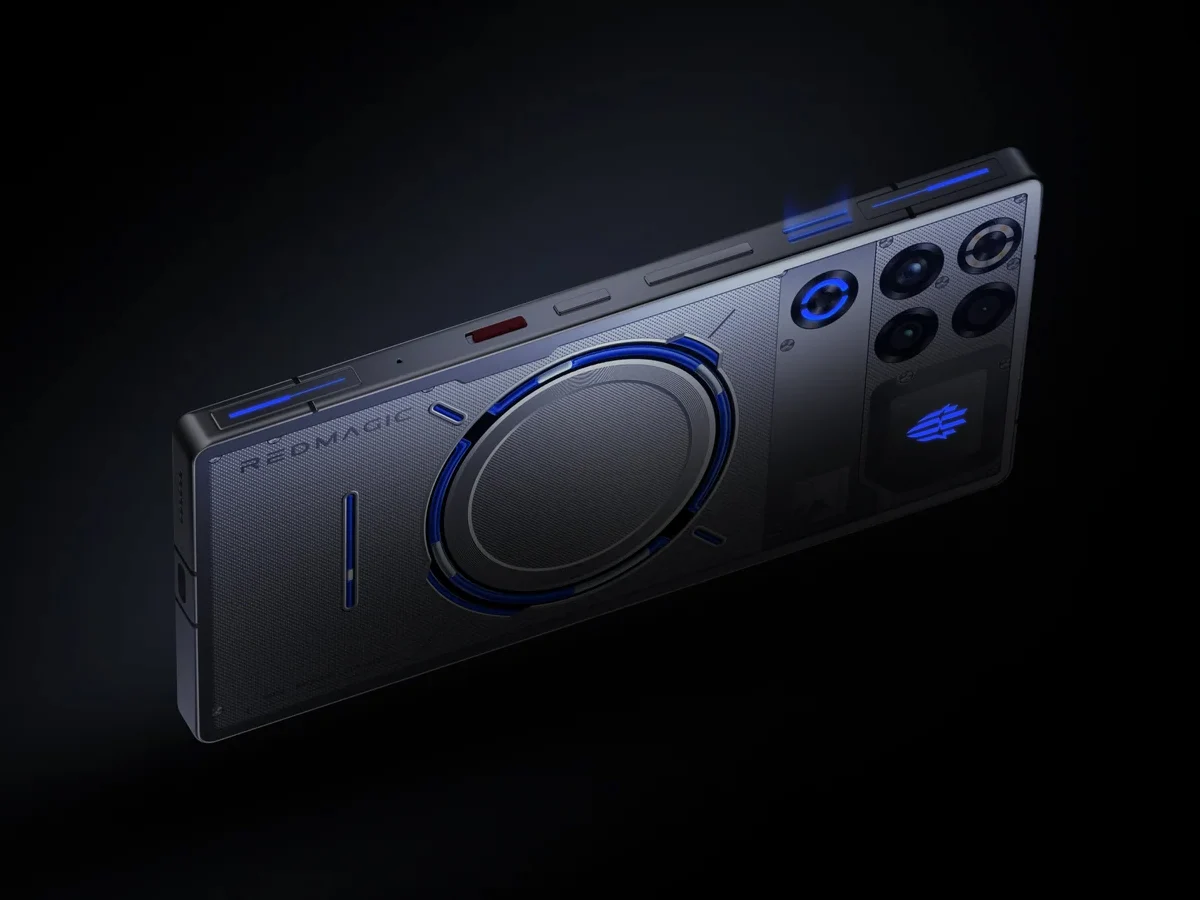
1. UL Solutions delisted the RedMagic 11 Pro series due to violation of platform rules, specifically related to thermal limits and performance manipulation during benchmarking.
2. The phones automatically switched to a high-performance “Diablo” mode during certain benchmark runs, resulting in artificially inflated scores by up to 24%.
3. Nubia disputes the allegations, claiming their performance profiles are meant to give users more control, but did not clarify if automatic mode changes occur during benchmarks.
4. These practices of optimizing for benchmarks and ignoring thermal constraints are common among various brands, though they can lead to device instability and overheating.
UL Solutions Remove RedMagic 11 Pro from Rankings
UL Solutions has recently taken down the RedMagic 11 Pro gaming phones from their benchmarking lists because they found out that these phones broke their rules and guidelines. The main problem was that the devices were said to be “cheating,” but in reality, they were just ignoring heat limits to get the best possible performance from their hardware.
Performance Tests Show Discrepancies
While it might look like they was cheating, the hardware itself can actually reach those high scores. UL Solutions defend their decision by sharing results from their own testing. They tested the RedMagic 11 Pro with two different versions of the 3DMark benchmark software. One of these versions is known to the public, but the other version has been renamed and is not recognized by the gaming phone itself.
In the test using the public version, UL Solutions discovered the RedMagic 11 Pro would automatically run in a high-performance mode called “Diablo” mode. But when they ran using the other version, which the phone doesn’t recognize as a benchmarking app, the device stayed in normal mode. This caused a notable difference: in the high-performance mode, the phone scored about 24% higher in the benchmark.
Nubia’s Response and User Concerns
The company behind RedMagic, Nubia, issued a statement trying to justify their phones, but it didn’t quite work. In an email to Android Authority, Nubia said that its performance configurations aren’t “unethical” and are meant to give users more control over how their phones perform. But they didn’t mention that the phone automatically switches to high-performance when it detects benchmarking tools.
Many users also reported issues with stability when using the highest performance modes—crashes, overheating, and other problems—like those caused by external cooling fans costing around $54.23 on TradingShenzhen. This highlights that pushing devices to maximum limits can sometimes have serious drawbacks, especially in terms of overheating and instability.
Similar Practices in Other Brands
This isn’t something completely unique to Nubia or RedMagic phones. Other brands such as Huawei, Oppo, and MediaTek have also been found to ignore thermal and power guidelines when their phones detect benchmarks or intensive workloads. This kind of behavior isn’t unusual in the smartphone business and often sparks debates about fairness and device safety in performance testing.