Key Takeaways
1. The upcoming Xbox console will be a first-party device, distinct from Asus’s ROG Xbox Ally handhelds.
2. Other companies may create their own versions of the Xbox console based on Microsoft’s design, leading to a variety of options for consumers.
3. The AMD Magnus chipset is expected to allow different configurations and tiers of Xbox consoles, similar to the current Series X and S.
4. New Xbox consoles are predicted to be more expensive than the Series X and will compete in the prebuilt desktop market.
5. The strategy of allowing third-party manufacturers to create customized versions of Xbox hardware could lead to competition that helps keep prices in check.
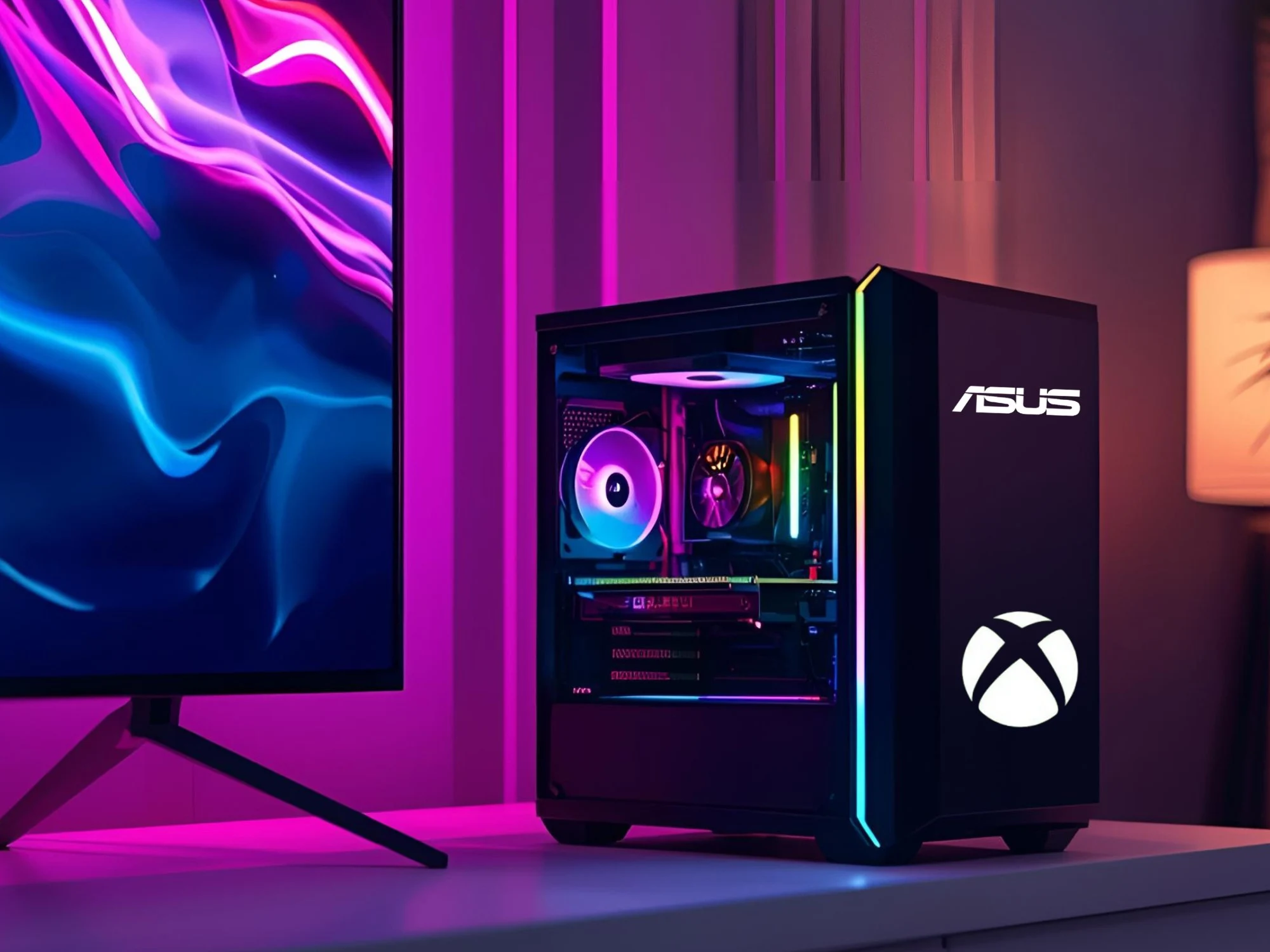
Microsoft Gaming CEO Phil Spencer has stated that the upcoming Xbox console will be a first-party device. This is different from the ROG Xbox Ally handhelds created by Asus. However, the situation might be more complicated than what Spencer has indicated. YouTuber Austin Evans thinks that other companies will also make their own versions of the console.
The Future of Xbox
In his latest video, Evans raises the question of whether the Xbox brand is truly dead. He believes that the brand will endure, but future consoles might look quite different from the current ones. The company plans to develop a flagship system and will encourage other manufacturers to build their own systems based on this design.
Various Options for Buyers
Evans predicts that the AMD Magnus chipset will be flexible enough to support various configurations. Buyers might find different tiers of Xbox consoles, similar to the Series X and S. However, with several vendors involved, the devices could have unique designs and features.
Pricing and Market Comparison
Like the ROG Xbox Ally and ROG Xbox Ally X, the new Xbox consoles would cater to different price points. Despite this, Evans believes that most options will likely be more costly than the Series X. These hybrid PC/consoles would compete in the prebuilt desktop market instead. Microsoft could face challenges in subsidizing hardware costs while its partners focus on making profits.
This strategy might remind gamers of the expensive 3DO console, which featured manufacturers like Panasonic and Sanyo. Nevertheless, mini PCs like the Valve Steam Machine may serve as a better comparison. Both allowed third-party partners to create customized versions of the hardware. Critics have noted that both products also faced quality-control problems, and ultimately, neither met sales goals.
If Evans is right, Microsoft is working on Xbox-branded hardware as a reference point. At the same time, consumers would have options for gaming systems made by different manufacturers. Hopefully, this competition will help keep prices from being as high as some fans are concerned about.
Source:
Link