Key Takeaways
1. Both XMG Core 16 (M25) and Asus TUF Gaming A16 are portable gaming laptops, weighing about 2.2 kg and measuring around 2.5 cm thick.
2. Both laptops feature the Nvidia GeForce RTX 5070 GPU, but the limited 8 GB VRAM may limit performance at higher resolutions.
3. The Asus model includes Advanced Optimus and G-Sync, while XMG has standard Optimus with a MUX switch and FreeSync.
4. XMG uses modern Zen 5 processors, while Asus has older Zen 4 models, raising questions about value given their similar pricing.
5. The XMG Core 16 offers better value with double the memory and SSD storage at a similar price point compared to Asus.
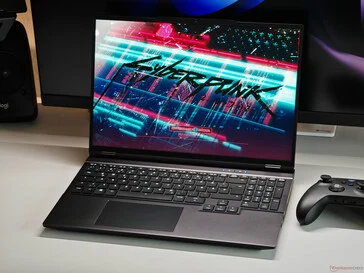
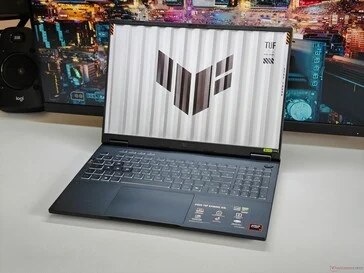
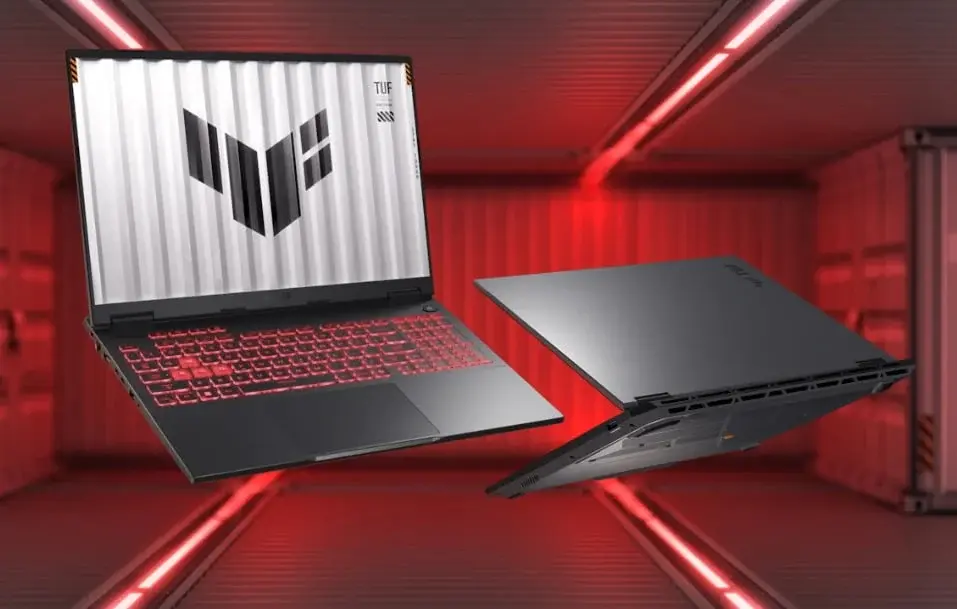
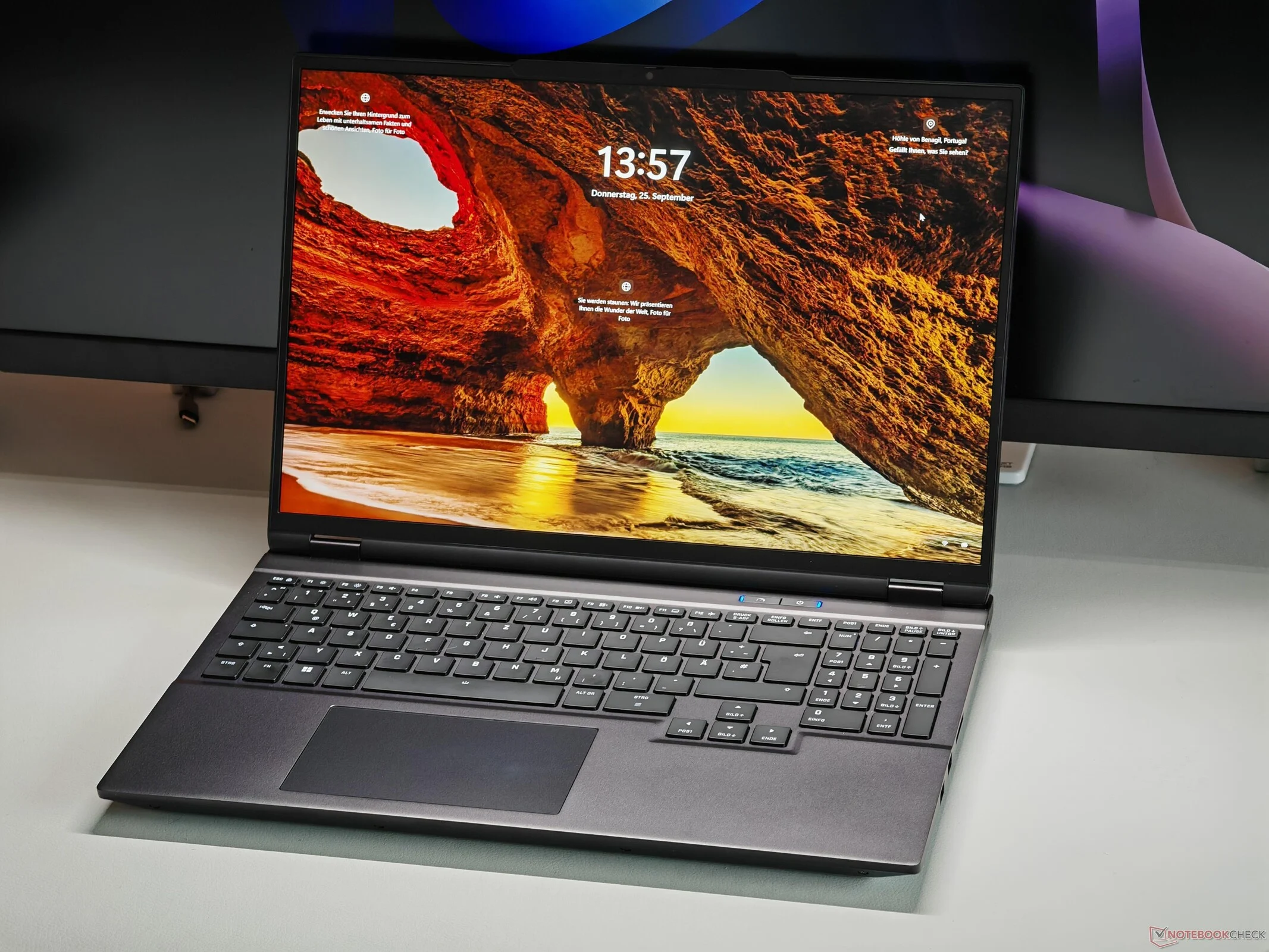
We have recently examined the XMG Core 16 (M25) and Asus TUF Gaming A16, both aimed at the same audience. Weighing approximately 2.2 kg and measuring around 2.5 cm in thickness, these models remain quite portable. Their designs are quite understated, making it hard to tell that they’re gaming laptops. If you need a sizeable all-around device, both of these are excellent choices.
Performance Overview
Both laptops come equipped with the latest Nvidia GeForce RTX 5070 Laptop GPU, providing satisfactory performance, especially at 1080p resolutions. However, the limited 8 GB VRAM may pose challenges with some more intensive games, particularly if you’re looking to play at native WQHD resolution. Asus includes a comprehensive feature set with Advanced Optimus and G-Sync, whereas XMG settles for standard Optimus GPU switching along with a MUX switch and FreeSync. You can disable the integrated GPU, but it requires a reboot.
Display and Processor Differences
The matte IPS displays of both models show slight variations (XMG covers the P3 color gamut and has a higher refresh rate), yet both are well-optimized for gaming and can deliver precise colors for photo editing. The most notable disparity lies in the processors used. XMG employs modern Zen 5 chips from AMD, while Asus opts for an older Zen 4 model. Although this doesn’t heavily impact gaming performance, it raises questions given the pricing.
Pricing Insights
When it comes to pricing, the XMG Core 16 holds a significant edge. Both configurations we tested are similarly priced, but the XMG Core 16 doubles the memory and SSD storage along with the stronger processor. If you choose the smaller Zen 5 chip with comparable memory and storage specifications, the price gap is nearly 300 Euros. For further details, please refer to our two reviews!