Tag: Android updates

  • Google Pixel 6, 7, and Fold to Receive 5 Major Android Updates

    Google Pixel 6, 7, and Fold to Receive 5 Major Android Updates

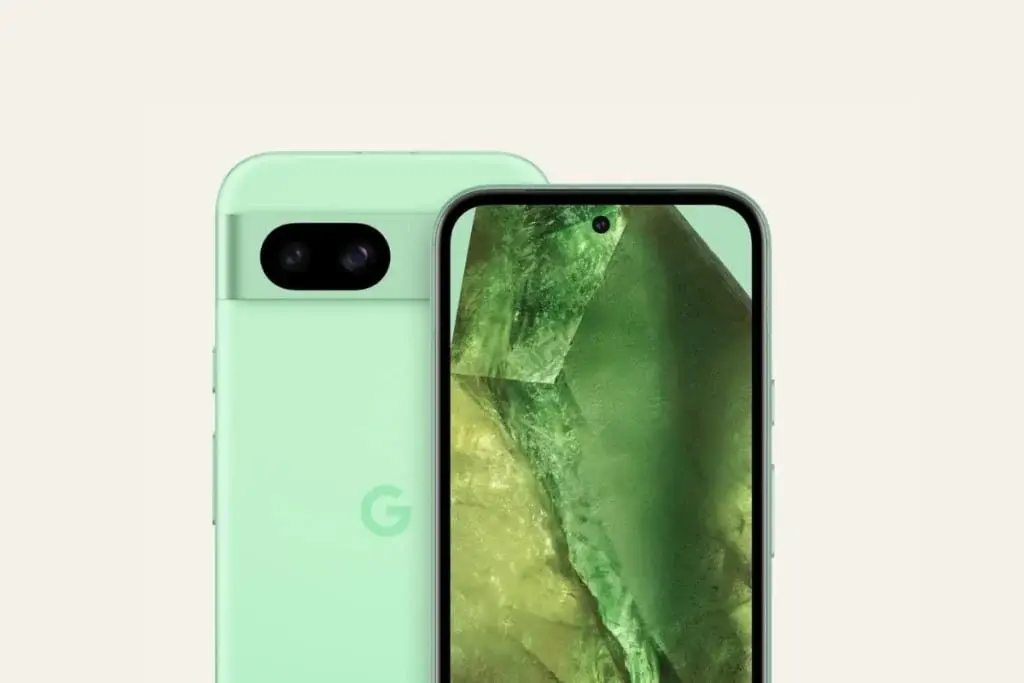
    The Google Pixel 8, Pixel 9, and all their variants will come with Android and security updates for a duration of seven years. In contrast, the Pixel 6 and Pixel 7 series, along with the first-generation Pixel Fold, were initially planned to receive just three Android updates and five years of security patches. This means that the Pixel 6 and Pixel 6 Pro would stop getting feature updates when Android 16 launches next summer.

    Update Support Changes

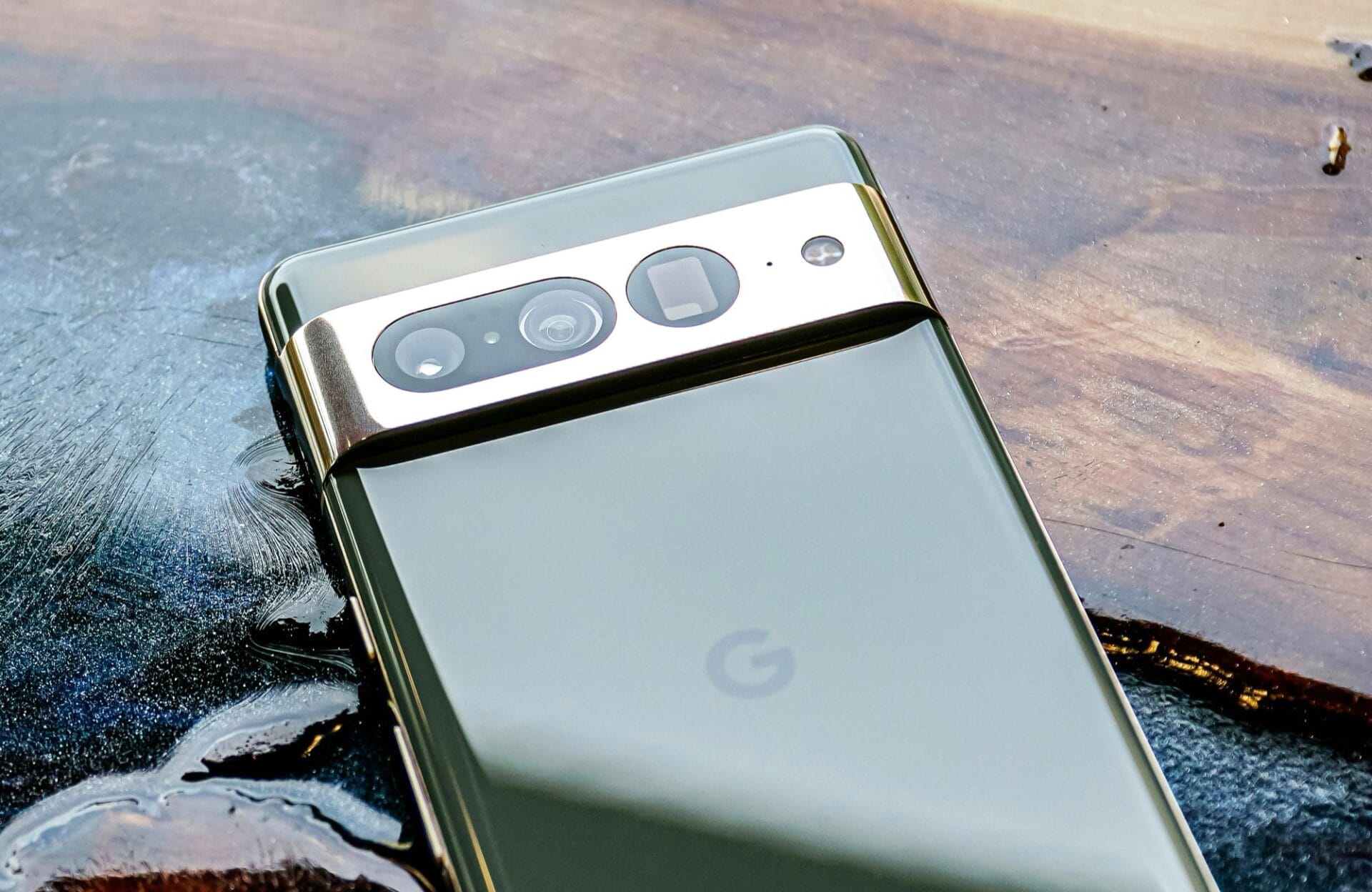
    Recently, Google has revised its support page concerning update plans for Pixel devices. It now indicates that the previously mentioned Pixel smartphones will actually receive five operating system updates. This means the Pixel 6, Pixel 6 Pro, and Pixel 6a will keep getting updates through Android 17, while the Pixel 7, Pixel 7 Pro, Pixel 7a, and Pixel Fold will be updated until Android 18 in 2027. However, the Google Pixel Tablet is not included in this update change, so it will only get updates until Android 16 as was initially scheduled.

    Benefits for Users

    With this new update policy, Google is providing users of older Pixel models more time to transition to a newer device without losing out on new Android features. It was already hinted that support would be prolonged when Google launched the beta version of Android 16 for the Pixel 6 and Pixel 6 Pro, even though these two models weren’t expected to receive the final OS version. Even though Android 16 is still six months away from its official release, Pixel users can look forward to fresh features thanks to the upcoming December Feature Drop.

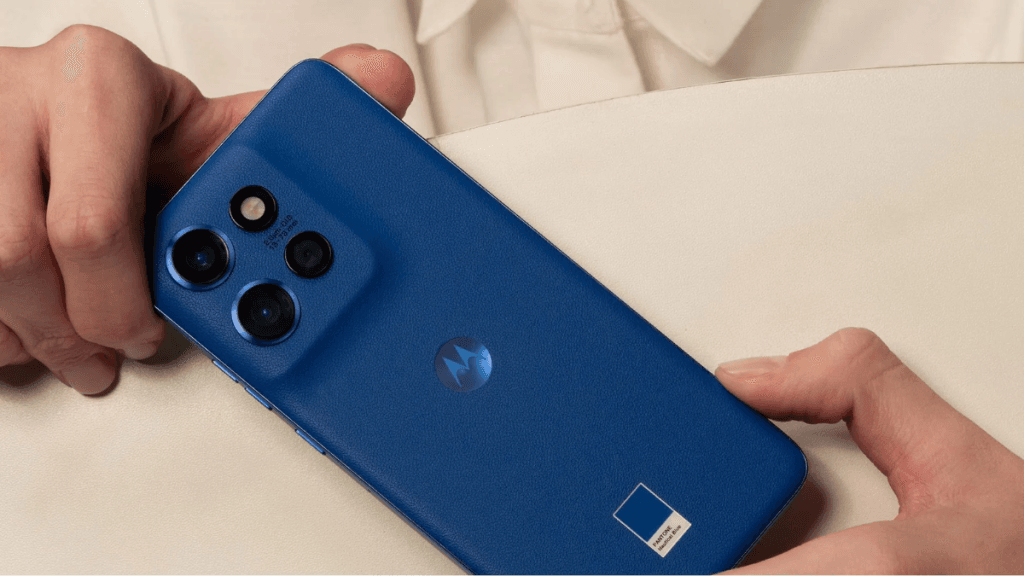
    Image 1
  • Motorola Enhances Software Update Strategy for Better User Experience

    Motorola Enhances Software Update Strategy for Better User Experience

    Samsung and Google have transformed the software update landscape by introducing seven Android updates. Their faster release of these updates makes them a top choice for users who value extended software support. This shift is likely to negatively impact sales for other Android brands, prompting many to revise their software update policies.

    Motorola’s New Approach

    Motorola, which traditionally offered just three Android updates, is now stepping up its game with a commitment to provide up to five years of Android updates. The Motorola Edge 50 Neo, launched in August, was the first device from Motorola to benefit from this new policy.

    Following the Edge 50 Neo, the company has also introduced the Moto G75 and ThinkPhone 25 to the global market. Both phones come with a commitment to five generations of Android updates. This marks a significant change for Motorola, indicating they are moving in the right direction.

    A Notable Improvement

    Despite there still being a gap between Motorola’s update offerings and those of Samsung and Google, this recent development is a big leap from what Motorola previously provided. For example, the Motorola Razr 50 Ultra, one of the brand’s pricier models, only guarantees three Android updates, while the mid-range Moto G75 promises five.

    Motorola’s update policies have not been strong points for the brand, especially for its high-end devices which were limited to three Android upgrades. The slow pace of software updates in recent years has added to consumer frustration. However, it seems the brand has taken a lesson from past mistakes, now offering better software support on its latest devices. Still, I would feel more at ease choosing a Motorola phone if they could also enhance the speed of their software rollout.

    Fans’ Perspective

    Motorola enthusiasts will likely appreciate the brand’s new commitment to longer software support. Nevertheless, this change does not benefit older Motorola models, which will not receive additional Android upgrades.

  • Samsung Galaxy A16: 6 Years of Updates for Just €209

    Samsung Galaxy A16: 6 Years of Updates for Just €209

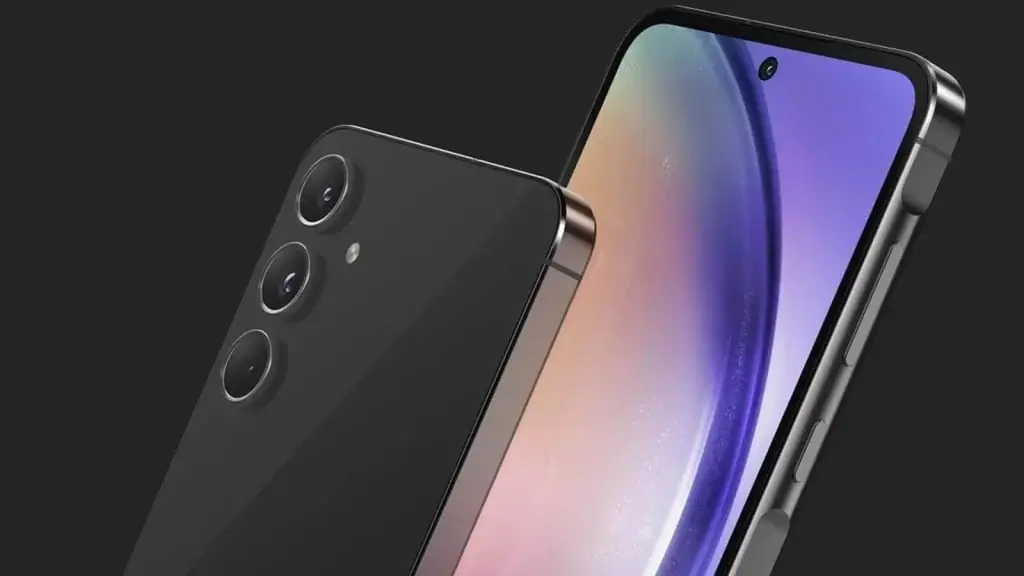
    After a leak in mid-September disclosed key information about the Galaxy A16 5G features, SamInsider has reportedly uncovered the expected official euro prices for two versions of the smartphone. The Galaxy A16 4G, featuring 128 GB of flash storage, is anticipated to retail for €209.90, whereas the Galaxy A16 5G with the same storage capacity is expected to be priced at €239.90.

    Smartphone Variants and Features

    The two new models, successors to the Galaxy A15, will likely mainly vary in their processors, although specifics about the 4G version have not been revealed yet. Previous leaks suggest that Samsung will offer both devices with six major Android updates and six years of security patches, which is quite ambitious for this price range. Depending on the market, the Galaxy A16 5G will either come with a MediaTek Dimensity 6300 or a Samsung Exynos 1330 chip.

    Specifications and Display

    Reports indicate that the device will be available with options of 4 GB to 8 GB of RAM and 128 GB to 256 GB of flash storage. Samsung is believed to have included a 6.7-inch display with a resolution of 2,340 x 1,080, a peak brightness of 800 nits, and a refresh rate of 90 Hz.

    Design and Durability

    The device is expected to have an IP54 certification, indicating that while it is not fully waterproof, it offers some protection against rain and splashes, a step up from the previous model. The design remains largely unchanged, featuring a flat frame, a "key island," a notch, and a broader chin below the display. The exact date for the official unveiling of the Galaxy A16 is still unknown.


    Image 1
    Image 1
  • Galaxy Devices Eligible for 7 Android Updates: Complete List

    Galaxy Devices Eligible for 7 Android Updates: Complete List

    While many Android brands limit their devices to a maximum of four Android updates, Samsung stands out by offering an impressive seven years of Android and feature updates for its premium models. This sets a new standard for Android device update policies.

    New Update Policy with Galaxy S24 Series

    Samsung rolled out this updated policy with the launch of the Galaxy S24 series earlier this year. Since then, numerous Galaxy devices have benefited from this commitment. Although there hasn’t been any official word on software support for future models, it is expected that all upcoming flagship Galaxy phones and tablets will receive seven generations of Android updates along with security patches for a full seven years.

    Devices Covered Under the Update Policy

    Here’s a list of Samsung Galaxy devices currently included in this new update plan:

    This list is still limited as Samsung has not yet applied the new update policy to older Galaxy models. However, it is likely to expand as the company introduces more high-end smartphones and tablets.

    Current Android Version and Future Updates

    All devices mentioned above come pre-installed with Android 14, meaning their last major Android upgrade will be Android 21. They will continue to receive One UI feature updates and security patches until 2031.

    Samsung is not the only company providing seven years of Android upgrades; Google was the pioneer in this area. However, Samsung is poised to serve more users due to its faster release of flagship devices and its wider market presence.

  • Google Pixel 8a Software Update Timeline: Duration of Support

    Google Pixel 8a Software Update Timeline: Duration of Support

    The Google Pixel 8a emerges as Google’s most recent budget-friendly smartphone, positioned as a top mid-range option in the current market. While mirroring the design and appeal of its pricier counterparts, the Pixel 8 and Pixel 8 Pro, the Pixel 8a scales down on specifications to present a more economical price point.

    Software Support for the Pixel 8a

    Fortunately, the Google Pixel 8a does not compromise on software support. It aligns with the software update commitment seen in the rest of the Pixel 8 series models. Users can expect a consistent and reliable stream of updates for their Pixel 8a.

    Extensive Software Updates

    Similar to its higher-tier siblings, the Pixel 8a is set to receive a generous seven years of Android updates, security patches, and Pixel Feature Drops. This means users will enjoy the latest Android features and enhancements for an extended period.

    Future of Pixel Phones

    The Pixel 8a debuts with Android 14 pre-installed, akin to the other Pixel 8 series devices introduced last year. Looking ahead, the final OS upgrade slated for all Pixel 8 models is Android 21, scheduled for release in 2031. Moreover, the Pixel series will continue to benefit from seven years of Pixel Feature Drops, ensuring continuous enrichment.

    These extensive software support measures distinguish the Pixel 8a in the mid-range smartphone segment. Notably, competing brands typically offer fewer OS upgrades even for their flagship devices, making Google’s commitment stand out.

    The scenario is less optimistic for older Pixel models. Devices preceding the Pixel 8 series, such as the Pixel 7 series, are limited to only three Android OS updates. Consequently, Android 16 marks the final major OS upgrade for these models, rendering them ineligible for future updates.

    While the Pixel 8 series enjoys prolonged software support, the disparity between newer and older models has left many Pixel users dissatisfied. Google’s decision to limit older models to three updates contrasts sharply with the seven-year commitment for newer devices. Users seeking extended software support are advised to consider upgrading to the latest Pixel models.

    For users with older Pixel devices, a resource is available here to check eligibility for the Android 15 update. The linked article also provides insights into forthcoming Android OS features and enhancements.

  • OxygenOS 14 Update Now Available for Select OnePlus Devices

    OxygenOS 14 Update Now Available for Select OnePlus Devices

    OxygenOS 14, which is based on Android 14, represents a significant advancement with a plethora of fresh features, lock screen shortcuts, and enhancements. It also debuts the Trinity Engine for optimizing performance. For OnePlus users eagerly anticipating the OxygenOS 14 update on their devices, the wait can be quite intense to explore the new functionalities and modifications it delivers.

    Devices Updated with OxygenOS 14

    A list of OnePlus devices that have already received the OxygenOS 14 update includes models like OnePlus Open, OnePlus Pad, OnePlus 12, OnePlus 12R, OnePlus 11, and more. The rollout of the update is gradual, so it might take some time for all users to receive it.

    OxygenOS 14 Update Progress

    Most eligible OnePlus devices are now receiving the OxygenOS 14 update, with the exception of the OnePlus Pad Go, which is currently undergoing an open beta phase. It shouldn't be long before the stable build is released for this device as well.

    Key Features of OxygenOS 14

    Trinity Engine

    Described as OnePlus' most advanced performance optimization software, the Trinity Engine comprises six exclusive technologies aimed at delivering sustained performance. This enhancement may lead to noticeable improvements in both power consumption and device performance post the OxygenOS 14 update.

    File Dock

    The addition of File Dock in OxygenOS 14 is a valuable feature for users who frequently share files across various applications. Items saved to File Dock are uploaded to the cloud, making them accessible on other OnePlus devices linked to the same account.

    Smart Cutout

    The Smart Cutout feature, available in OxygenOS 14, enables users to extract a subject from an image by long-pressing on it. Previously common in brands like Samsung and Xiaomi, Smart Cutout is now a part of the OnePlus experience.

    OxygenOS 14 introduces a global search feature located above the dock at the bottom of the screen. This feature allows users to search through their phone, including apps, contacts, documents, and the internet, enhancing overall usability.

    Auto Pixelate 2.0

    To bolster security and privacy, OxygenOS 14 incorporates the Auto Pixelate 2.0 feature, which pixelates sensitive information in screenshots. This feature, along with other security enhancements, aims to provide users with a safer digital experience.

    Carbon Footprint AOD

    The Carbon Footprint AOD style in OxygenOS 14 encourages users to reduce their carbon footprint by walking more. The AOD display changes based on the number of steps taken, promoting eco-friendly habits.

    Conclusion

    With a host of new features and improvements, OxygenOS 14 is set to elevate the OnePlus user experience. From performance optimizations to enhanced security and privacy features, this update is a significant step forward for OnePlus device owners.

  • Pixel Experience Development Ends, Owner Announces Shutdown

    Pixel Experience Development Ends, Owner Announces Shutdown

    Google Pixel smartphones have earned themselves an esteemed status among Android enthusiasts by being among the first devices to receive Android updates, making them a top pick. Because Google prioritizes updating its own devices first for new feature releases, Pixel phones have come to represent cutting-edge tech within Android ecosystem. One notable drawback however, is that only certain regions worldwide can purchase Google Pixel devices.

    End Of Pixel Experience Updates

    In 2017, Henrique Silva launched the Pixel Experience project with the intent of providing users with exclusive Pixel features without the expense and complexity associated with purchasing Pixel phones themselves. Recently however, on their official website Henrique announced that this initiative has officially come to an end, marking its conclusion for now and future projects alike.

    Henrique Silva did not elaborate on the reasons for terminating Pixel Experience project; however, his confirmation indicated that its website would remain accessible so users could download older builds but that there would no longer be updates or development for it. With its discontinuance comes an end of an era within Android community; leaving many nostalgic for unique Pixel-like experience provided by it once before. For the official announcement regarding closure of Pixel Experience project please [click here](Add link here).

  • Eliminate Downtime: Samsung Galaxy A55 5G Ensures Smooth Android Updates

    Eliminate Downtime: Samsung Galaxy A55 5G Ensures Smooth Android Updates

    Software updates have traditionally posed a significant challenge for Android devices, but Google has been striving to enhance this aspect by offering more frequent updates and introducing features like seamless updates to enhance user experience. Despite these efforts, the adoption of seamless updates by major manufacturers has been sluggish. The tide seems to be turning with the arrival of the Samsung Galaxy A55 5G, marking Samsung's inaugural device supporting this feature.

    Samsung Galaxy A55 5G Introduces Seamless Updates

    For those unfamiliar, seamless updates represent a technology introduced by Google alongside Android 13. This innovation allows significant Android updates to be seamlessly installed in the background on a distinct system partition. Following completion, users undergo a swift reboot to transition to the updated partition, minimizing any operational downtime.

    Now, the embrace of this capability is expanding. Notably, the Samsung Galaxy A55 5G has emerged as the foremost Samsung device to incorporate the "Seamless Updates" feature. This enhancement permits A55 5G users to effortlessly download and install updates in the background, with the changes taking effect upon the phone's restart. Consequently, the waiting period associated with downloads has been eradicated. Regrettably, details regarding the timeline and regions for the availability of this feature on Galaxy A55 5G devices remain undisclosed.

    Future Prospects for Samsung's Seamless Updates

    The introduction of seamless updates on the Galaxy A55 5G likely signifies just the beginning of Samsung's deployment of this functionality. Anticipations are high for its integration into numerous forthcoming Samsung models, possibly including the Galaxy S24 series. Nevertheless, if you possess an older phone, it may not support this feature. Those intrigued by its utilization should verify the eligibility of their Samsung devices concerning the latest Android version.