
– SpaceX’s orbital AI constellation is officially named “Starmind.”
– Starmind aims to deploy up to one million AI-enabled satellites as an orbital compute layer.
– Key advantages include unlimited solar power, vacuum cooling, and no zoning permits.
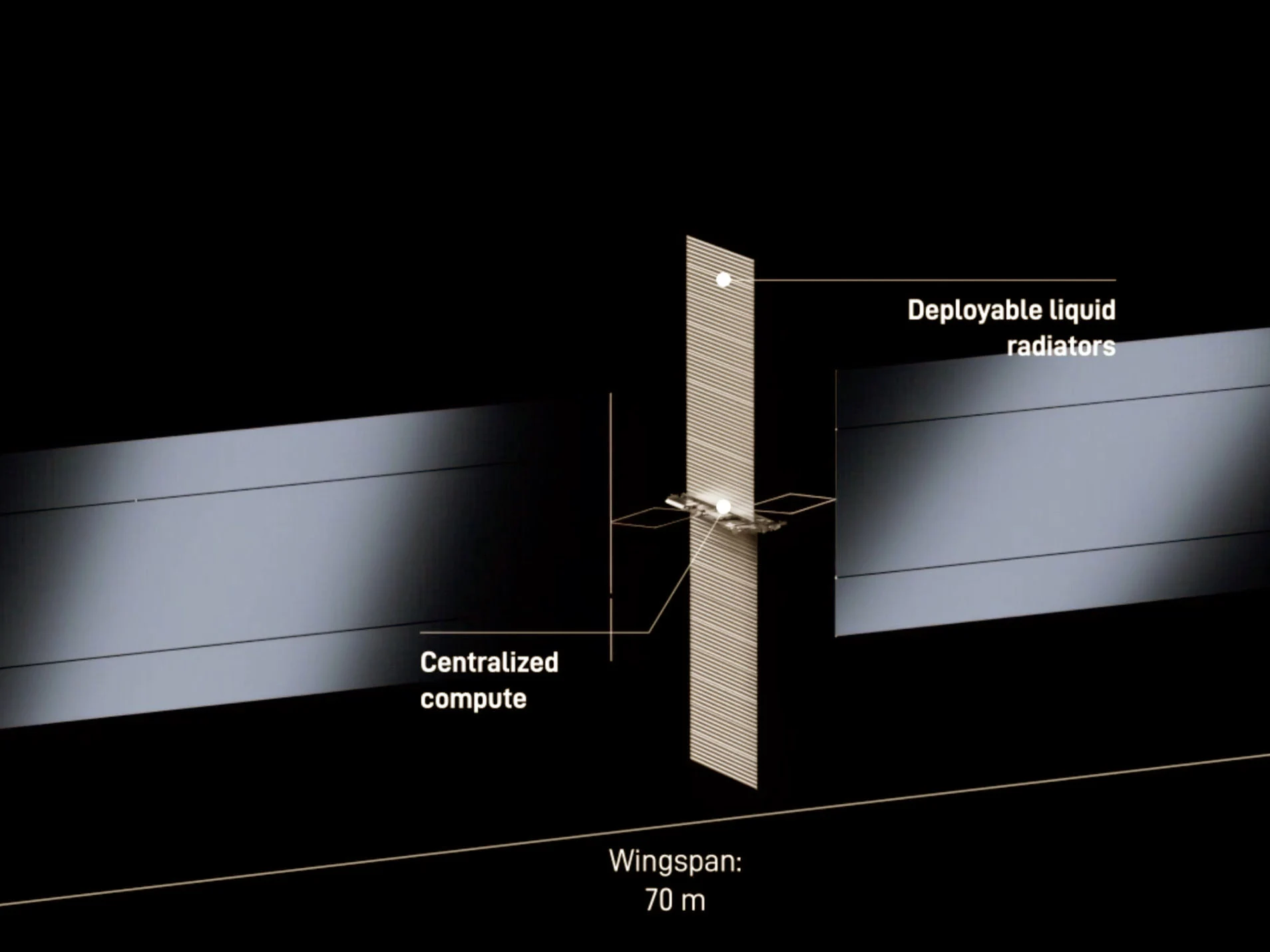
– Each AI1 satellite will feature up to 150 kW peak compute power and 70-meter solar arrays.
– First prototype satellites are set to launch in early 2027, with mass production by year-end.
Elon Musk Settles The Name for SpaceX’s New Orbital AI Project
So, Elon Musk has officially put to rest the big naming question regarding SpaceX’s upcoming AI orbital data center constellation. He went ahead and confirmed a trademark called “Starmind” that SpaceX actually filed as the official name for this huge plan to orbit up to one million AI-enabled satellites. The project has been picking up some serious regulatory steam since the start of the year as well.
A Huge FCC Filing and What It Means for Compute
SpaceX filed a request with the FCC back in early 2026 for a constellation consisting of up to one million satellites that are intended to function as an orbital AI compute layer. The idea here is not just to beam the internet down to places that don’t have good service, like they do with Starlink Mobile, but it is actually about moving the number crunching itself up into space. This is a pretty different approach to the whole thing.
Racks of Compute and Laser Links in Orbit
Musk has gone into some detail about “racks of compute” that would connect with each other using laser links between those AI satellites, as well as talking to the regular Starlinks, and then the data is sent down to the ground using antennas or more laser links with low latency. Each individual AI1 satellite is specified as having an average compute payload near 120 kilowatts and a peak around 150 kilowatts, while the solar arrays are supposed to span roughly 70 meters at an operating altitude of about 600 km. Thats some serious hardware up there.
Why Go Orbital? The Practical Reasons Behind Starmind
The logic for going orbital is actually pretty pragmatic, because SpaceX is chasing this technology while Earth-based AI data centers are running into physical space constraints, community opposition, and limits on power or water consumption. SpaceX says that unlimited solar power, natural vacuum cooling, and absolutely no zoning regulatory permits are the potential advantages for Starmind. Meanwhile, Musk has an expectation that space is going to become the cheapest place for AI compute within just a few years time.
- Unlimited solar power is avalible in orbit
- Natural vacuum cooling helps with heat management
- No zoning or regulatory permits are needed up there
Launch Dates and Production Plans for the AI1 Prototype
The very first AI1 prototype satellites are scheduled to launch early in 2027, and volume production is targeted for the end of that same year at a new facility they are calling Gigasat. It remains to be seen if that lofty vision will actually pan out on any significant scale, but the project definitely has a name thats worth remembering now, which is Starmind. Elon Musk confirmed this on his platform.