
Key Takeaways
1. Sony’s patent for generative AI aims to help players filter or change inappropriate content in gaming.
2. The patent describes a system that detects unwanted scenes and modifies or removes them based on user-defined rules.
3. AI tools could help adjust content to fit modern audience standards, benefiting parents with varying views on explicit material.
4. Users will have control over what the AI filters, receiving alerts about objectionable material and options to alter content.
5. Concerns include the potential misuse of the technology, particularly with deepfakes, and uncertainty about its reliability for protecting children.
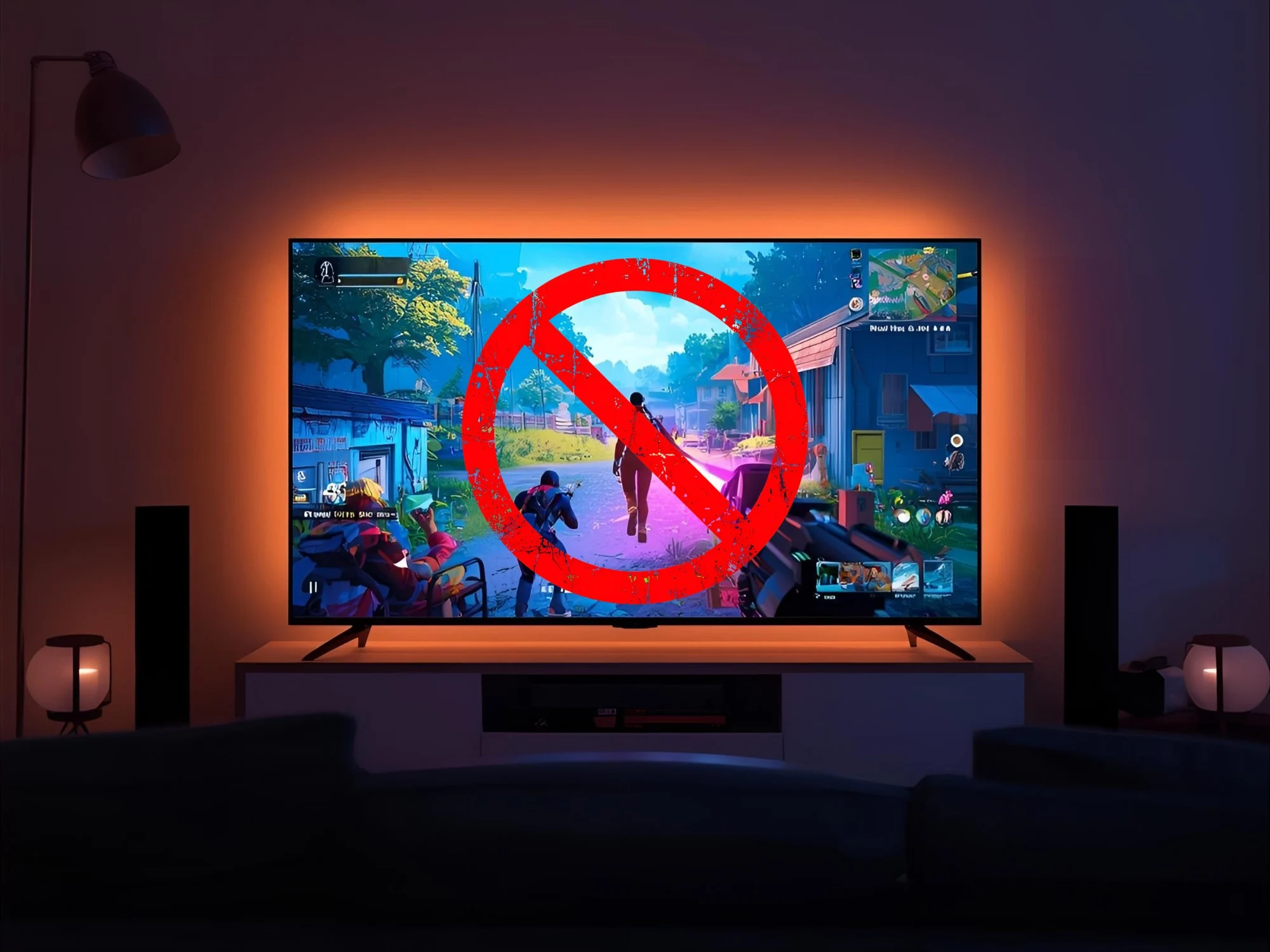
The conversation around the function of generative AI in gaming development is ongoing. Sony suggests that AI could help players filter or change inappropriate content easily. A recent patent found by Clawseomegamer outlines a customizable way to censor content. Critics might claim that, since the tech isn’t just for PS5 consoles, it might be misused.
Details of the Patent
The patent, titled “Automatic Bespoke Edits of Video Content Using AI,” was published on December 4th. It describes a process where one processor detects scenes a user wants to avoid, while another processor modifies or removes parts of the video or audio based on specific rules. The document mentions “video game content” as a possible use case.
Changing Standards
The patent explains how the way we rate games, films, or music has changed over time. AI tools could help modern audiences adjust content to fit new standards. This could be particularly helpful for parents, as different guardians might view explicit content differently. However, the patent does not mention that this could also lead to censorship influenced by political views.
Inside the document, there’s mention of Nintendo and Microsoft, who are rivals to PlayStation. While the tech is meant for “computer ecosystems,” it can be adapted to all types of consumer electronics.
User Control and Concerns
The Sony Patent makes it clear that users would control what the AI technology filters out. As content plays, viewers could receive alerts about potentially objectionable material. They would have choices like altering the audio or video or even adding “deepfake replacement content.” This would result in a new, censored version of the original material.
Of course, with any AI technology, there’s always a risk of misuse. The biggest worry is that deepfakes can make it hard to spot altered content. It’s also uncertain if machine learning is advanced enough for parents to depend on it to protect children. Regardless, similar to Sony’s recent plan to improve haptic feedback, it could take years before gamers experience this kind of adaptive censorship on their consoles.
Clawsomegamer, Wipo Patent database.
Source:
Link