Tag: AAA Games

  • Microsoft’s Xbox Game Pass Game Costs Exceed $50 Million

    Microsoft’s Xbox Game Pass Game Costs Exceed $50 Million

    Key Takeaways

    1. Microsoft includes all first-party titles on Game Pass at launch and adds popular third-party games, enhancing subscriber value.
    2. The cost to acquire games for Game Pass ranges from $50,000 to over $50 million, indicating significant financial investment.
    3. Despite high costs, Game Pass is reportedly still profitable for Microsoft.
    4. The increasing expenses of developing AAA games pose challenges for sustaining current acquisition rates.
    5. Microsoft may need to consider raising subscription prices or focusing on indie/AA games to manage costs and meet financial goals.


    Ever since Xbox Game Pass started, many have been trying to guess how much money Microsoft spends to keep the service filled with great games. All first-party titles from Microsoft are now available on Game Pass on their release day, and the company has also been bringing in big third-party games like Expedition 33 right at launch.

    Great for Subscribers

    The inclusion of highly expected third-party games is beneficial for Game Pass, providing subscribers with popular content. However, it raises serious concerns about how sustainable this approach is. Just how much is Microsoft really paying to ensure major game launches for Game Pass? Can they keep this up in the long term?

    A Surprising Discovery

    A sharp-eyed user on X, Timur222, spotted something intriguing about the costs of Xbox Game Pass games in the LinkedIn profile of Iain MacIntyre, a recently dismissed Senior Business Development Manager at Microsoft. He noted that MacIntyre “negotiated over 500 deals ranging from $50,000 to more than $50 million, securing both indie hits and AAA titles for Game Pass.”

    Thus, it seems that Microsoft shells out between $50k and a staggering $50m or even more to acquire games for Game Pass. But this doesn’t necessarily mean that the service is draining Microsoft’s finances, as it is reportedly still making money.

    Future Uncertainties

    The range of costs per title suggests the challenges of maintaining the current speed of acquisitions in the future. Developing AAA games is notoriously pricey and has only gotten more expensive in recent years. With the average AAA title now taking several years to finish and costing tens of millions, if not hundreds of millions, Microsoft will have to invest even more to secure blockbuster titles for Game Pass.

    To address this issue, the company might consider raising Game Pass subscription prices, which seems likely since Xbox has to meet strict financial goals, or they could choose to focus more on indie or AA games instead of AAA deals. No matter what path they choose, one thing is evident: Xbox faces a tough road ahead.

    Source:
    Link


  • Why AAA Games Struggle to Fit on Smartphones

    Why AAA Games Struggle to Fit on Smartphones

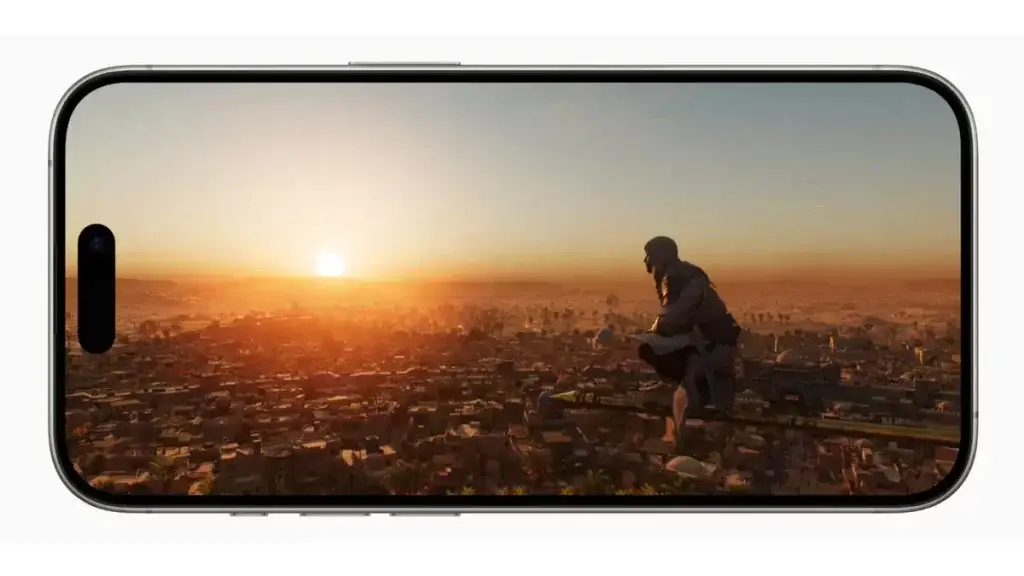
    When Apple introduced the iPhone 15 series, one of the most exciting features was its support for AAA games. Mobile gaming has long been considered the lesser sibling to console and PC gaming, but this gap appeared to close rapidly.

    Nearly a year has passed since that announcement, and several new AAA titles have been launched. Yet, these high-quality games still seem out of place on devices like smartphones and tablets.

    Different Playstyles

    Mobile gaming thrives thanks to the accessibility and convenience of smartphones. It’s as easy as picking up your phone and playing. However, this simplicity doesn’t transfer well to AAA games. While games like COD Mobile and PUBG Mobile have players who excel with small-screen controls, the deep, immersive experience found in console and PC games can be lacking.

    Game developers spend years creating detailed virtual worlds, but players might miss these nuances entirely. Popular mobile titles often offer short, quick gameplay sessions rather than long, immersive experiences. This disconnect between player expectations and experiences is one of the reasons AAA games don’t flourish on smartphones.

    Hardware Limitations

    Smartphones have made incredible progress in performance, and it’s impressive that some AAA games can run on them. Despite these advancements, they still fall short of the processing power and graphic capabilities of PCs and consoles. Mobile-optimized games often sacrifice visual quality to ensure a playable frame rate.

    Titles like Assassin’s Creed Mirage and Resident Evil, launched on iPhone 15 Pros, showcase this issue. Unfortunately, Android users only get access to older AAA titles, leaving those without the latest iPhone unable to play these demanding games. Developers have to downscale many aspects of these games, which results in large downloads compared to typical mobile games.

    No One is Buying AAA Games on Mobile

    The mobile gaming industry is dominated by the freemium model, which has even gained traction in live service games for PCs and consoles. Essentially, mobile games are free, with revenue generated through in-game purchases like lootboxes or digital cosmetics. However, AAA games come with a price tag.

    For instance, Resident Evil Village is priced at 15.99 US Dollars, while Assassin’s Creed Mirage costs 49.99 US Dollars. Despite their lengthy and costly development processes, mobile gamers are reluctant to spend this kind of money without a trial. Reports suggest that these AAA releases have not been successful, selling only tens of thousands or even just thousands of copies. Additionally, mobile ports require extra investments from studios and publishers.

    Conclusion

    While smartphones and tablets have become incredibly powerful, they still face significant challenges in delivering a genuine AAA experience. Apple’s announcement was a step in the right direction, but these are still early days. Hardware capabilities, gameplay, and business models need to evolve, and we might have to wait a few more years to see substantial progress.

    Why AAA Games Struggle to Fit on Smartphones