
Key Takeaways
1. The AI Studio Pro is designed specifically for artificial intelligence, featuring two Huawei Ascend 310 processors and achieving 352 TOPS of AI power.
2. It allows AI models to run locally, enhancing data security by reducing reliance on cloud computing.
3. The device offers 96 or 192 GB of LPDDR4X RAM but lacks HDMI and USB-A ports, providing only one USB 4 port.
4. It is intended as a specialized tool for various sectors, measuring 207.7 x 132.6 x 80 mm, and currently runs on Linux with future Windows support anticipated.
5. Priced starting at about $1,900, it is currently only available in China, requiring import for users outside the country.
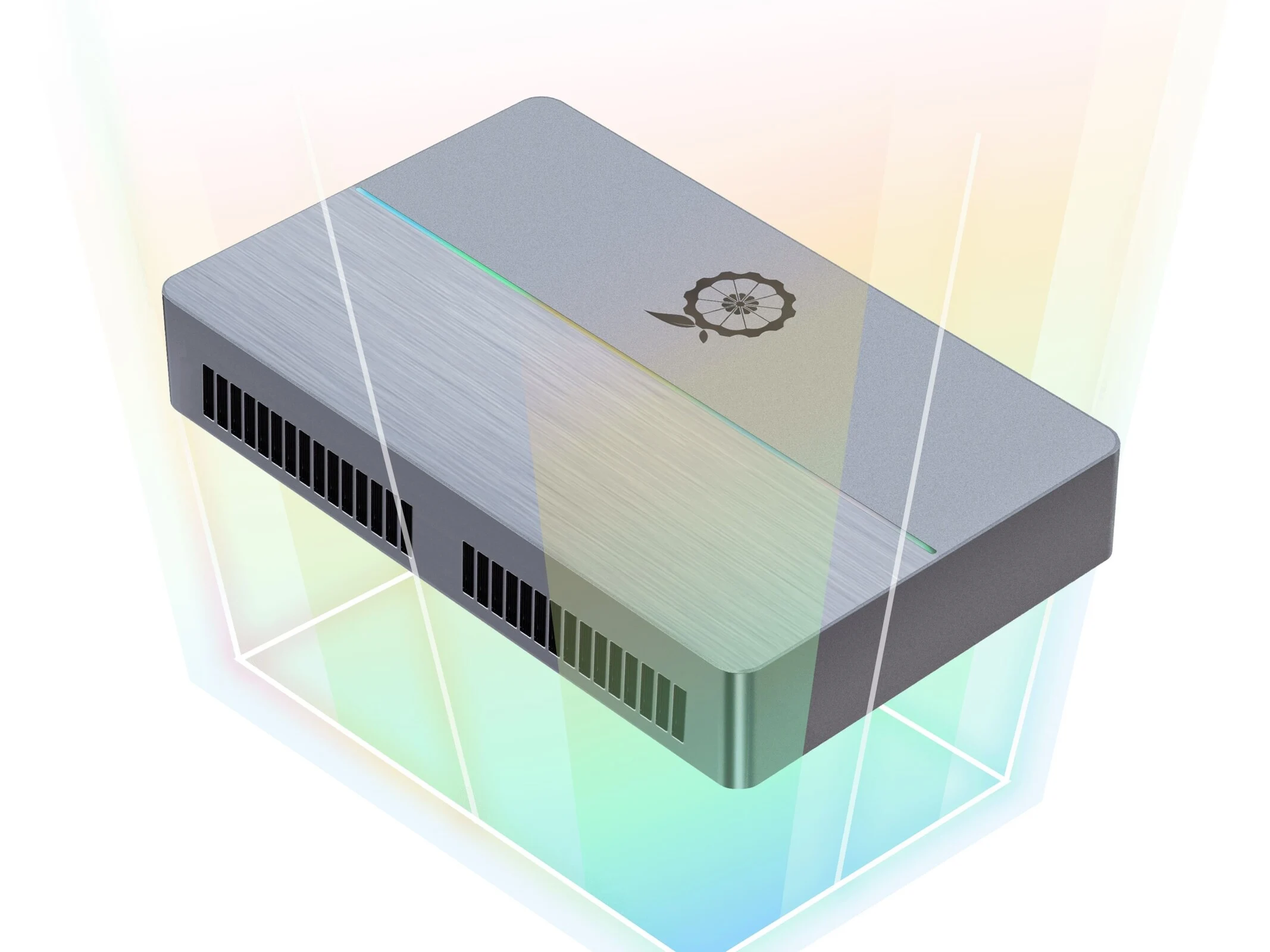
Orange Pi makes computer systems that aren’t really for regular users. Their latest product, the AI Studio Pro, is a compact PC designed specifically for artificial intelligence. This model features two Huawei Ascend 310 processors. The emphasis here isn’t just on traditional CPU or graphics capabilities, but mainly on AI power, which is rated at 352 TOPS. To give you a clearer idea: the NPUs found in today’s Intel or AMD APUs typically achieve only double-digit TOPS, while modern GPUs reach into the four-digit range. This level of performance allows AI models to run locally, not just relying on the cloud, which is good for data security. It can be used in various settings, including government, private, and industrial sectors.
Memory and Connectivity
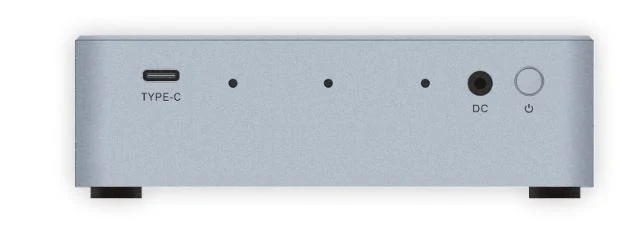
The AI Studio Pro comes with either 96 or 192 GB of LPDDR4X RAM. However, it does not have HDMI and USB-A ports, offering just one USB 4 port instead. This device is more of a specialized tool, intended to complement other systems rather than function as a standalone PC. Measuring at 207.7 x 132.6 x 80 millimeters, it currently runs on Linux, although Windows support is anticipated in the future. Power is connected through a round plug, and it features colorful lighting.
Availability and Pricing
In China, the system is priced starting at about $1,900. It isn’t officially on sale outside of China right now, so if you’re elsewhere, importing it directly might be your best option.
Leave a Reply