
Key Takeaways
1. Over 60% of the world’s energy is wasted as heat, and a new thermoelectric polymer can convert this heat into electricity without pollution.
2. The polymer’s sponge-like design reduces heat loss by 72% by obstructing vibrations that carry heat.
3. The porous structure encourages closer alignment of polymer molecules, improving electrical charge flow by at least 25%.
4. The new material achieved a thermoelectric figure-of-merit of 1.64, surpassing previous records for polymers and flexible inorganic materials.
5. The novel film can be produced on a large scale and at low cost using simple spray-coating methods.
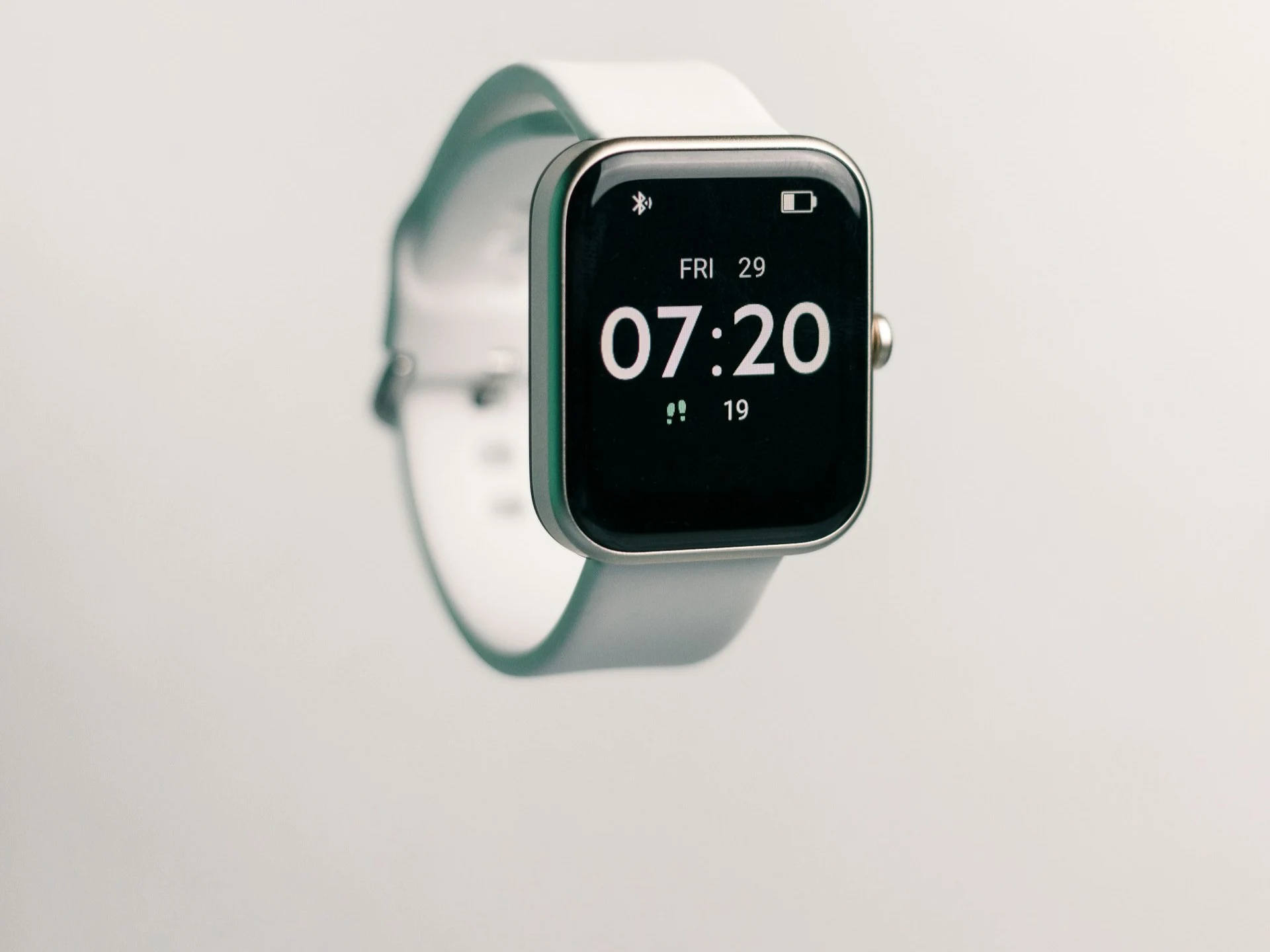
Over 60% of the world’s energy is wasted as heat. In an effort to capture this lost energy, a research team from the Institute of Chemistry at the Chinese Academy of Sciences has developed a very flexible material that can transform heat directly into electricity without causing pollution. Their findings, published in the journal Science, introduce a new irregular hierarchical-porous thermoelectric polymer that provides a constant power supply for wearable devices like smartwatches by utilizing differences in ambient temperatures, such as the heat from the human body.
Efficient Conductivity and Heat Retention
For these materials to be effective, they need to conduct electricity well while also keeping heat from escaping. Typically, flexible plastics find it hard to strike this balance. The researchers addressed this issue by mixing a polymer with a separating agent, which was later eliminated to form a network of randomly shaped, tiny holes on a microscopic and nanoscale level. This sponge-like design physically obstructs the tiny vibrations that usually transport heat through a solid, leading to a 72% reduction in heat loss.
Improved Structural Alignment
At the same time, the confined areas within the porous structure compel the polymer molecules to align much more closely and tidily than they typically would. This enhanced structural arrangement results in very efficient pathways for electrical charges to flow, increasing electrical mobility by at least 25%.
The optimized film achieved a remarkable efficiency rating, known as a thermoelectric figure-of-merit, of 1.64 at around 70 degrees Celsius, successfully separating heat flow from electrical flow. This sets a new standard, exceeding the prior polymer record of 1.28 and even surpassing flexible inorganic materials. Unlike conventional high-performance materials that need complicated preparation, the researchers claim this novel film can be produced on a large scale and at a low cost using straightforward spray-coating methods similar to how a newspaper is printed.
Source:
Link
Leave a Reply