
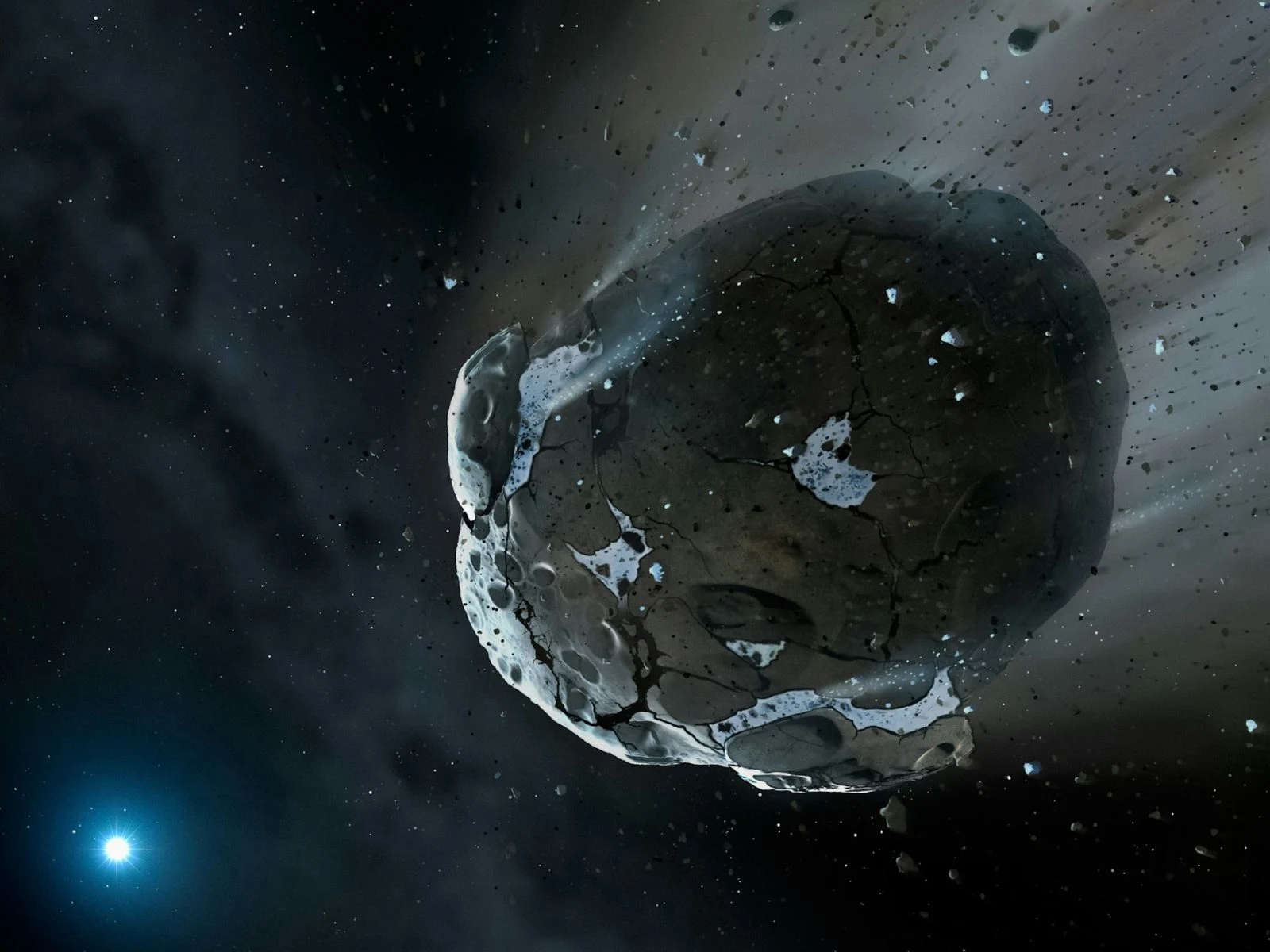
1. Asteroid 2026 JH2 will pass close to Earth on May 18, 2026, at a safe distance of about 90,000 km.
2. It is classified as an Apollo asteroid and measures between 50 and 115 feet, posing no threat to our planet.
3. The asteroid will be observable with amateur telescopes and a livestream will be available for viewing.
4. Observing such asteroids helps scientists understand their characteristics and improve planetary defense research.
Upcoming Close Approach of 2026 JH2
Many asteroids roam the universe, moving at all kinds of speeds and on different paths, but sometimes they come dangerously close to Earth. One such object is 2026 JH2, which is set to pass near our planet on May 18, 2026. This event has captured the interest of astronomers and skywatchers alike, because of its proximity and the opportunity it provides for observation. The asteroid, recently uncovered by astronomers from the Mount Lemmon Survey in Arizona and the Farpoint Observatory in Eskridge, Kansas, is categorized as an Apollo asteroid, meaning it orbits in crossing Earth’s orbit around the sun.
Distance and Size of the Asteroid
There’s truly no need to freak out about 2026 JH2 threatening us, since it’s predicted to fly about 90,000 km from Earth’s surface. That is pretty close, but still safe. The asteroid itself isn’t very big, measuring somewhere between 50 and 115 feet (roughly 15-35 meters). That’s about the size of the asteroid that streaked over Russia back in 2013, so not too massive but still impressive to witness. Its size makes it a perfect target for observation during its pass.
How to Observe 2026 JH2
For those who want to catch a glimpse of it, amateurs can use telescopes. As it gets closer, its brightness will increase substantially, and its magnitude is expected to change from 21.3 to 12.8, making it possible to see with modest amateur equipment. There are also plans for a livestream of the event through the Virtual Telescope Project, which offers an excellent chance for people to watch without a telescope. This could turn out to be an exciting night for space enthusiasts and amateur astronomers alike.
The Importance of Observation
While the asteroid’s appearance could be quite a spectacle, it’s also important for scientists. Monitoring such objects helps improve understanding of their paths and compositions. Over the years, observing asteroids like 2026 JH2 has provided critical insights into their behavior and characteristics. Take asteroid Apophis, for example, also called the God of Chaos, because it will come very close to Earth—approximately 32,000 km away—on April 13, 2029. Tracking these space rocks is essential for planetary defense and understanding our universe better.
Resources for Tracking
- Minor Planet Center
- NASA/JPL Small-Body Database
- Hubble Space Telescope – Unsplash
Leave a Reply