
Key Takeaways
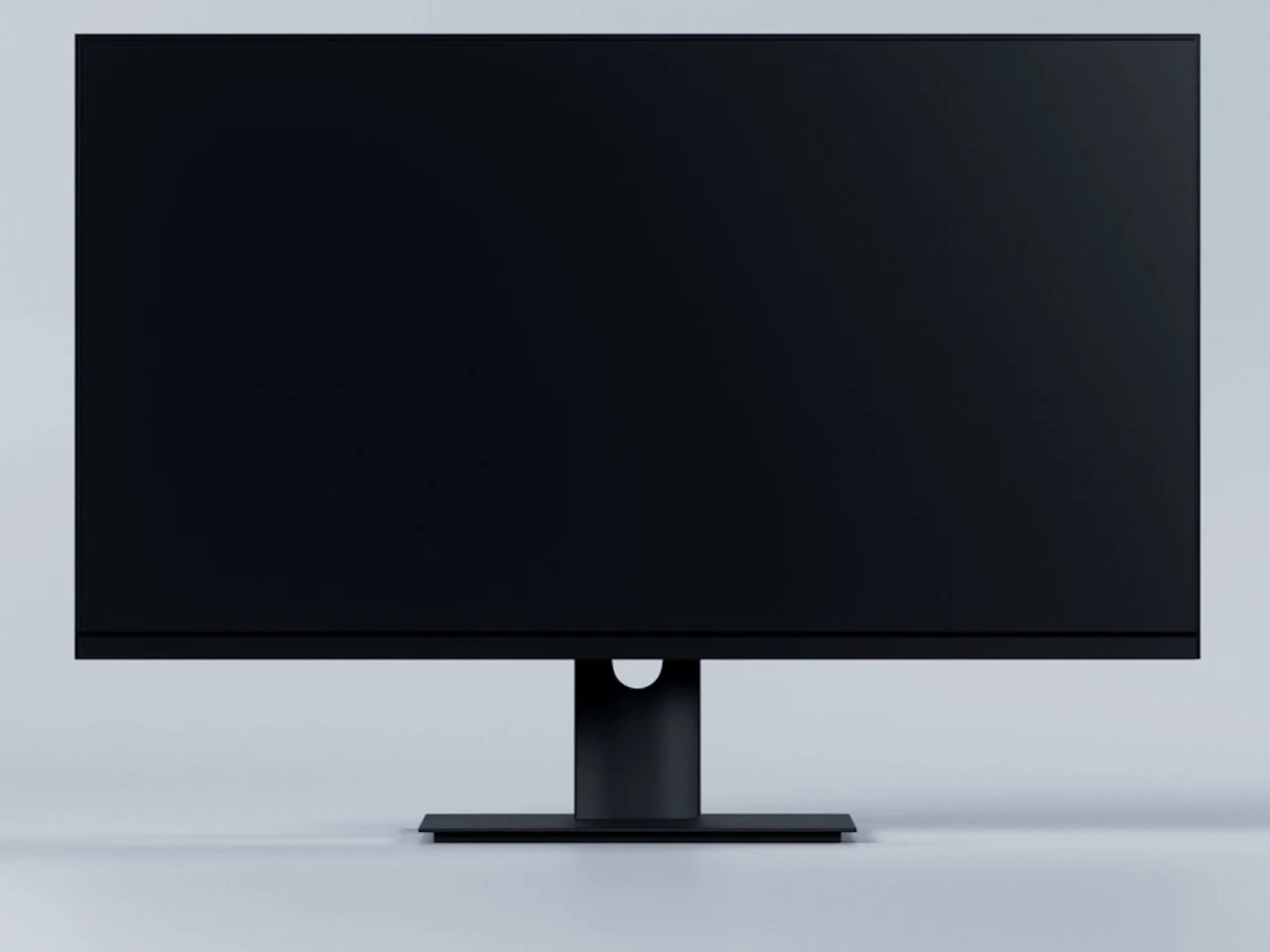
1. The Lili Screen is a 27-inch IPS LCD monitor designed to assist users with dyslexia by reducing visual distractions, featuring a resolution of 2,560 x 1,440 pixels and a 75 Hz refresh rate.
2. Priced at €599 (approximately $700), the monitor is set to begin shipping in January 2026 and connects to computers via HDMI or USB-C.
3. The monitor is an extension of the Lili+ Lamp, which helps with reading printed materials, and includes an app for customizing the light-modulation rate.
4. Dyslexic individuals may experience visual challenges, such as mirrored or distorted text, due to differences in their visual systems, including the shape of the retina’s centroids.
5. Ambient noise significantly affects reading comprehension for dyslexic individuals, and the Lili Screen uses light modulation techniques to minimize text mirroring and enhance reading ease.
Lili for Life has introduced the Lili Screen, a 27-inch IPS LCD computer monitor with a refresh rate of 75 Hz and a resolution of 2,560 x 1,440 pixels. This monitor is specially designed to help users with dyslexia read on-screen text by minimizing visual distractions. Priced at €599 (approximately $700), the Lili Screen is expected to start shipping in January 2026.
Features and Connectivity
This new monitor is an extension of the Lili+ Lamp, which was previously launched by the company to help with reading printed materials. Users can connect the Lili Screen to their computers via HDMI or USB-C cables. Additionally, an app allows them to customize the light-modulation rate of the display according to their individual needs.
Understanding Dyslexia and Visual Challenges
Dyslexic individuals experience unique physical differences in their visual systems that can cause text to appear mirrored or distorted, complicating their ability to read. A significant factor is the Maxwell’s centroids, which refer to the areas in the retina responsible for sharp vision. In typical individuals, the centroid in the dominant eye is round, while in the non-dominant eye, it takes on an oval shape.
While the mechanisms behind these differences are not fully understood, they allow the brain to process visual information from both eyes effectively. In contrast, people with dyslexia often see mirrored text images due to these variances. Moreover, their eye movements tend to be less stable than those of non-dyslexics, which can lead to longer reading times and difficulties in understanding sentences.
The Impact of Noise on Reading
Ambient noise levels can significantly influence reading concentration, especially for those with dyslexia. Although typical readers can be distracted by noise, dyslexics are much more sensitive to it. Even a noise level of just 52 dB can severely hinder their ability to comprehend text, as indicated by research findings.
The Lili Screen employs light modulation techniques in its backlight to minimize text mirroring, akin to how Panasonic HDTVs with Motion Flow technology introduce a black frame between video frames. While more studies are needed to fully grasp the underlying processes of pulsed displays, Lili for Life asserts that their monitor can facilitate easier reading of digital text for those with dyslexia.
Source:
Link
Leave a Reply