
Key Takeaways
1. Koji Sugimoto, a key figure at Square Enix, is surprised by the recent appreciation for the retro low-poly graphics of PS1 games.
2. He previously criticized the texture warping of PS1 graphics, calling it “detestable” and questioning the fascination with recreating it.
3. Sugimoto has extensive experience with PS1 development, contributing to major titles while facing significant hardware limitations.
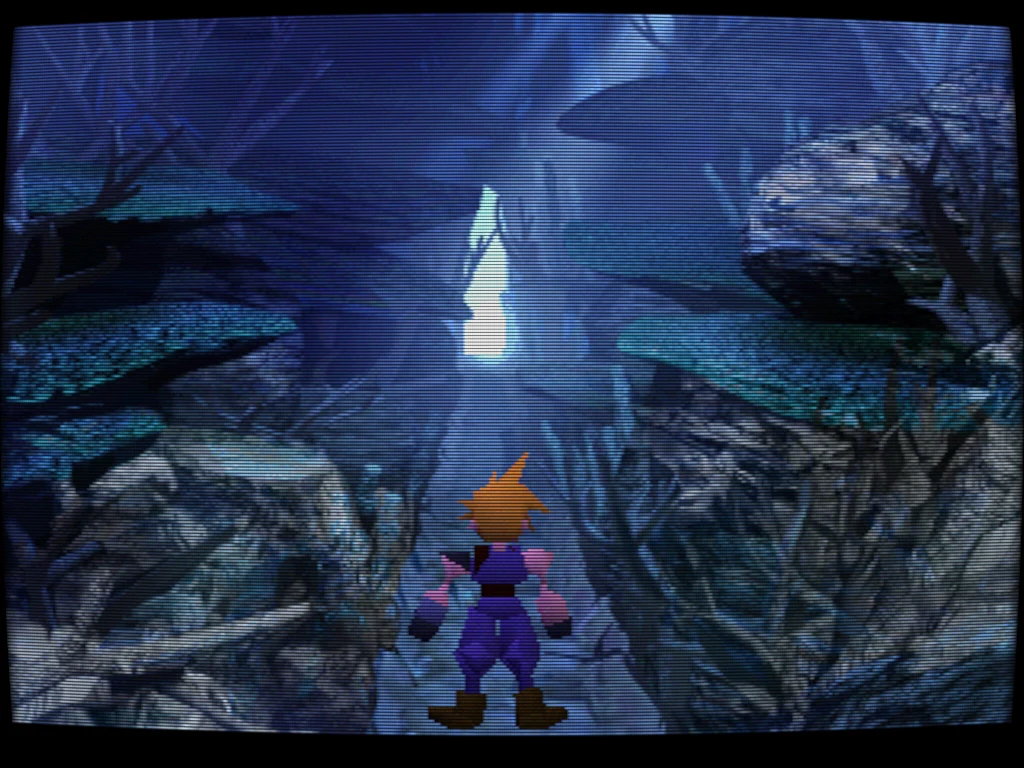
4. The lack of a depth buffer on the PS1 led to challenges in texture mapping, resulting in the distinctive “wobbly” appearance that players now find nostalgic.
5. Despite his critical view, the current trend among indie developers embraces intentional texture wobbling, reflecting a shift in how retro graphics are perceived.
Final Fantasy creator and experienced programmer at Square Enix, Koji Sugimoto, has shared his surprise at the increasing admiration from fans for the retro low-poly graphics of the PS1.
On August 5, 2025, Sugimoto took to his X account to respond to a Unity Japan showcase of a new Shader graph tool called “No Perspective.” This tool enables developers to easily mimic the nostalgic style of PS1 games. Sugimoto expressed his thoughts:
“Back in the day, we put in so much wasted effort to avoid distortion, and now people find it ‘charming’.”
Previous Comments on PS1 Graphics
This isn’t the first occasion Sugimoto has voiced his opinions on the texture warping of the PS1. In a post from 2019, he referred to it as “detestable.” He further remarked, “I just don’t understand what’s so fascinating about trying to recreate that.”
Sugimoto has extensive experience with the PS1’s uneven textures and distortion effects. He started his career in the gaming industry by working on visual effects programming for the 1995 SNES version of Chrono Trigger. During the PS1 era, he contributed to a port of Chrono Trigger, as well as titles like Xenogears and Threads of Fate, which is known as Dewprism in Japan.
Career Progression and Challenges
His career eventually led him to work on major titles like Final Fantasy X, Final Fantasy X-2, Crisis Core: Final Fantasy VII for the PSP, and The 3rd Birthday. Koji Sugimoto faced various hardware constraints, working to overcome graphical issues that bothered him and viewing them less affectionately than today’s fans do.
In the past, texture mapping posed a significant challenge, as the PS1 utilized affine texture mapping, applying images to polygons on the X and Y axes while disregarding depth. The console did not have a depth buffer, also called a Z-buffer, which is a type of memory that helps determine which surfaces should be seen and which should be hidden.
The Impact of Hardware Limitations
Because there was no depth buffer, developers had to manually tell the console in which order to draw each polygon. This was a key reason for the “wobbly” artifacts seen on in-game surfaces when viewed from certain angles.
As pixels shifted due to the hardware’s limitations in precise allocation, this resulted in a distinctive appearance that many gamers feel nostalgic about today. While indie developers embrace the concept of intentional texture wobbling in their games, Sugimoto’s perspective is important, reminding us of the technical limitations of the PS1 era and the significant effort developers had to exert to work around them.
Source:
Link
Leave a Reply