Category: Tablets

  • 120Hz Tablet with 4G LTE and GPS: iPad Pro-like Display

    120Hz Tablet with 4G LTE and GPS: iPad Pro-like Display

    Key Takeaways

    1. The Teclast T65 features a 120Hz display, offering smoother visuals and enhanced gaming experiences at an affordable price of $189.
    2. It includes satellite navigation, 4G LTE capabilities, and a sturdy metal unibody design, along with a microSD card reader for storage expansion.
    3. The battery capacity is 8,000mAh, providing about 13 hours and 44 minutes of usage, but charging speed is slow at 10 watts.
    4. The tablet lacks biometric security features and does not guarantee software updates, which may concern security-conscious users.
    5. Performance can be sluggish compared to other low-end to mid-range tablets, and the chassis may produce creaking sounds when handled.


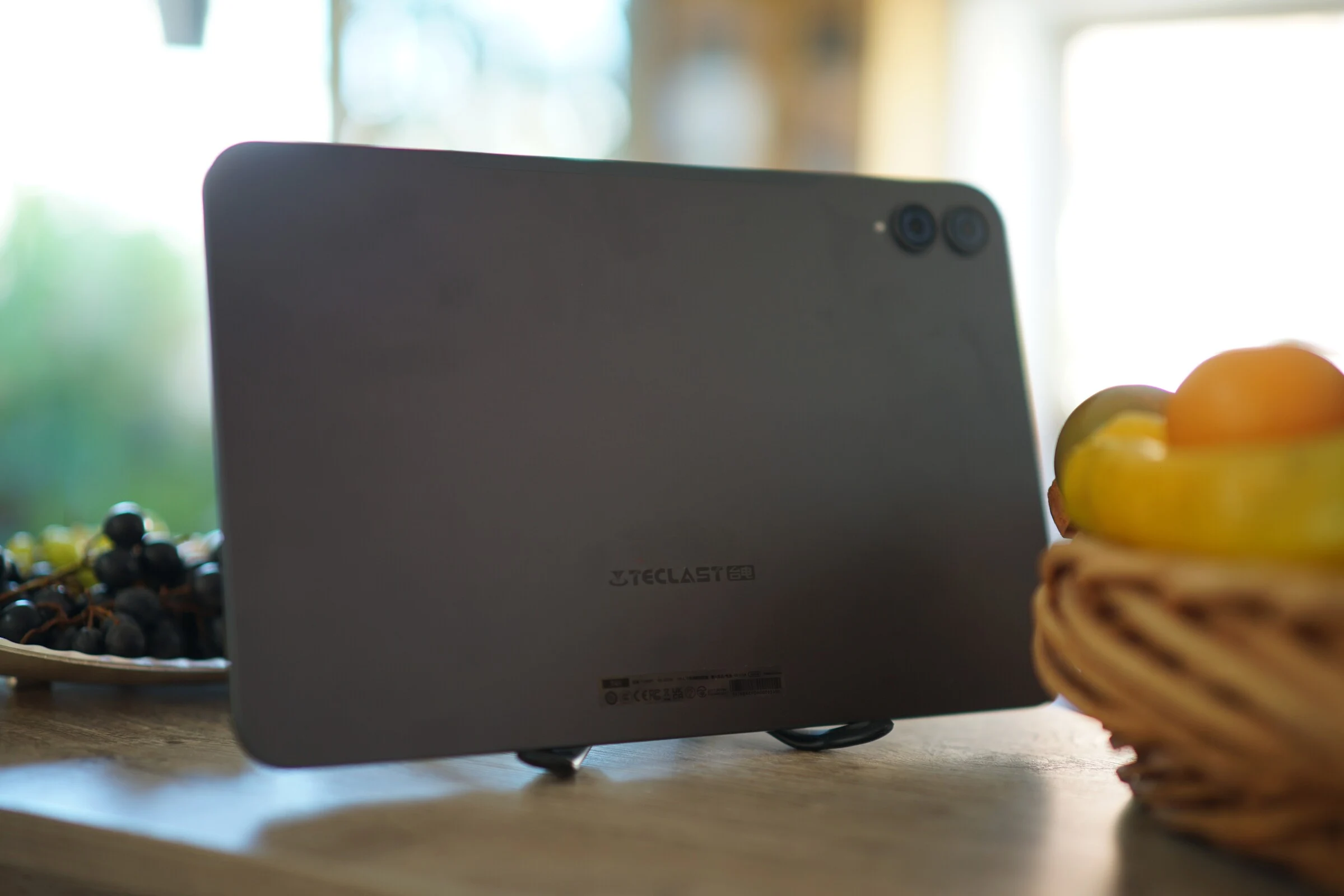
    A 120Hz display is a fantastic feature; everything appears smoother, movies are more enjoyable without lag, and you can react faster during intense gaming sessions. The Teclast T65 offers this impressive display, which is surprising given that the tablet is priced at just $189 on Amazon.

    Features and Build Quality

    Despite its affordable price, the T65 also includes satellite navigation and 4G LTE capabilities. One might assume that this means the tablet has a flimsy plastic body, but surprisingly, the T65 boasts a sturdy unibody design crafted from metal. Additionally, if you’re interested in expanding storage, you’ll be pleased to find a microSD card reader included.

    Drawbacks to Consider

    At first glance, this seems almost too good to be true. However, there are indeed some drawbacks with the Teclast T65, as the company can’t perform miracles. The battery capacity is 8,000mAh, which feels a bit limited considering the tablet’s size. While the device lasts a reasonable 13 hours and 44 minutes in our WiFi test, you may find yourself needing to recharge it more frequently. Moreover, the charging speed is rather slow at just 10 watts.

    Security and Performance Issues

    The Teclast T65 lacks any biometric unlocking options, meaning there’s no fingerprint sensor or facial recognition available. Those who prioritize security might be disappointed to know that Teclast does not guarantee any software updates. We also couldn’t locate any information regarding the tablet’s sustainability practices.

    Furthermore, the creaking sounds from the chassis when lifting the tablet can be somewhat bothersome. The system-on-chip (SoC) performance is quite sluggish, especially when compared to other low-end to mid-range tablets.

    Source:
    Link


  • iReader Neo 3 Pro E-Reader with Nano-Etched Carta 1300 Display

    iReader Neo 3 Pro E-Reader with Nano-Etched Carta 1300 Display

    Key Takeaways

    1. The iReader Neo 3 Pro features a 6-inch Carta 1300 E Ink display with a resolution of 1072 × 1448 (300 ppi) and a full glass front to minimize glare.
    2. It includes i-Clean 2.0 technology to reduce ghosting, ComfortLight Pro+ backlighting with 30 brightness levels, and a quad-core processor with 2GB RAM and 64GB storage.
    3. The device offers Bluetooth 5.0, dual-band Wi-Fi, a USB-C port, and has a weight of 144 grams with dimensions of 148.8 × 109.2 × 6.4mm.
    4. The iReader Neo 3 Pro runs on SmartOS based on Android and is currently available only in black, priced at CNY 1099 (approximately $155/€131).
    5. It is slightly cheaper than the Bigme B6, which has a color E Ink display and is available for $169 on Amazon.


    iReader has unveiled a new E Ink e-reader, the iReader Neo 3 Pro, in China. This device is a successor to the previously released iReader Neo 3, which was announced just a few months back. While it shares a majority of its specifications with the standard model, there are some distinct differences.

    Display Features

    The iReader Neo 3 Pro features a 6-inch Carta 1300 black and white E Ink display with a resolution of 1072 × 1448 (300 ppi). In contrast to the Neo 3, which has a recessed screen, the Neo 3 Pro boasts a full glass front. iReader claims that the glass is nano-etched to minimize glare. Additionally, the Neo 3 Pro has a smaller chin when compared to the Neo 2 Pro.

    Performance and Battery Life

    Equipped with iReader’s i-Clean 2.0 technology, the Neo 3 Pro helps in reducing ghosting. It comes with ComfortLight Pro+ backlighting that offers 30 brightness levels and color temperature adjustments. Under the hood, there’s a quad-core processor, 2GB of RAM, and 64GB of non-expandable storage. Similar to the standard Neo 3, it packs a 1,800mAh battery that allows for up to 50 hours of reading time, and it can stay in standby mode for three weeks.

    Connectivity and Design

    For connectivity options, the iReader Neo 3 Pro includes Bluetooth 5.0, dual-band Wi-Fi, and a USB-C port. It features a single speaker and microphone, plus pogo pins at the rear for connecting to a case that provides physical page-turn buttons. Weighing in at 144 grams, its dimensions are 148.8 × 109.2 × 6.4mm. The device runs on SmartOS, which is based on Android.

    The iReader Neo 3 Pro is currently only available in black, unlike the Neo 3 that comes in a variety of colors. It does feature an orange power button, similar to other e-readers from the brand. For now, the iReader Neo 3 Pro is exclusively available in China, priced at CNY 1099 (approximately $155/€131). This price point makes it slightly cheaper than the Bigme B6, which offers a color E Ink display and is available on Amazon for $169.

    Source:
    Link


  • Xiaomi Pad 8 Series Launching on September 25

    Xiaomi Pad 8 Series Launching on September 25

    Key Takeaways

    1. Xiaomi will launch the Pad 8 series, including the regular Pad 8 and Pad 8 Pro, on September 25 in China, focusing on display innovations.
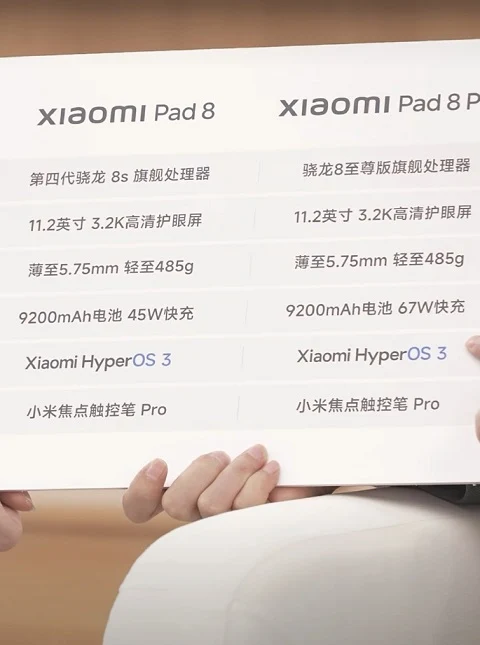
    2. Both models feature an 11.2-inch LCD display with a 3.2K resolution, 800 nits peak brightness, and a 144Hz refresh rate, along with eye protection certifications.
    3. The Pad 8 Pro will have a Qualcomm Snapdragon 8 Elite processor, while the standard Pad 8 will use a Snapdragon 8s Gen 4 chip, both running on HyperOS 3.
    4. Each model will have a 9,200mAh battery, with the Pro supporting 67W fast charging and the standard version offering 45W fast charging.
    5. The tablets will have an ultra-slim profile of 5.75mm and weigh around 485 grams, and they will be compatible with the Xiaomi Focus Pen Pro stylus.


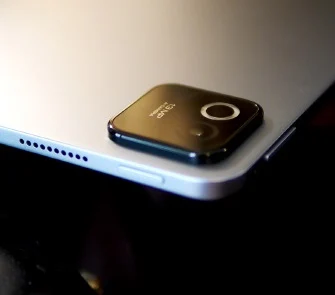
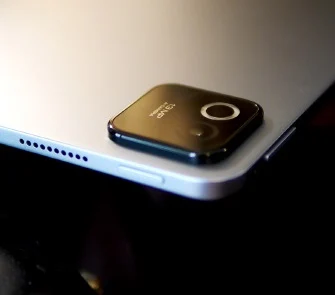
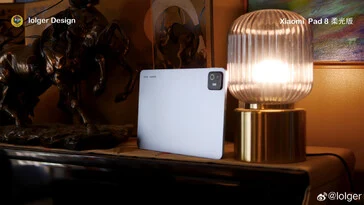
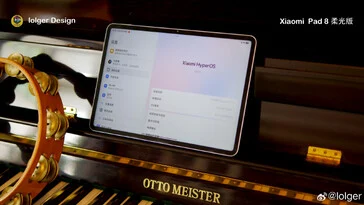
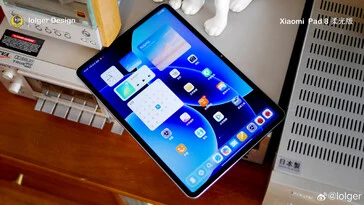
    Xiaomi is set to unveil its Pad 8 series on September 25 in China. Wang Hua, who is the PR director at the company, highlights that the focus will be on display innovations. This new series will consist of the regular Pad 8 and the Pad 8 Pro. Xiaomi aims to present these tablets as top-tier products that offer seamless integration with its HyperConnect platform.

    Display Features

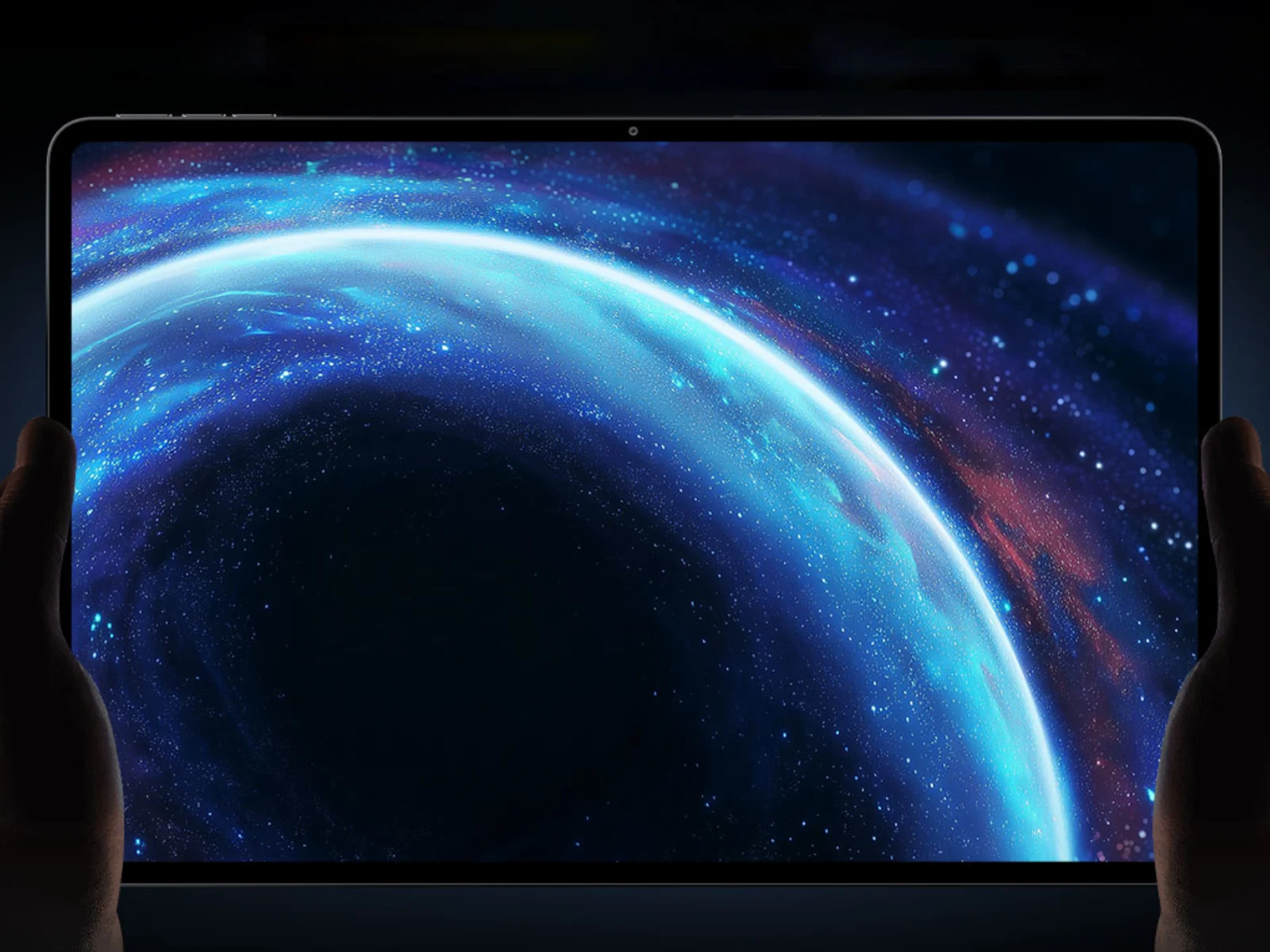
    All models in the Pad 8 series will showcase an 11.2-inch LCD display, boasting a resolution of 3.2K and a pixel density of 345 PPI for impressive clarity. Additionally, the peak brightness will reach 800 nits, making it easier to see in bright outdoor settings. The series will also feature full DC dimming along with TÜV Rheinland’s triple eye protection certification. Xiaomi has introduced a nano soft-light screen technology aimed at reducing glare during long usage. Moreover, the display will support a refreshing rate of 144Hz.

    Performance Specifications

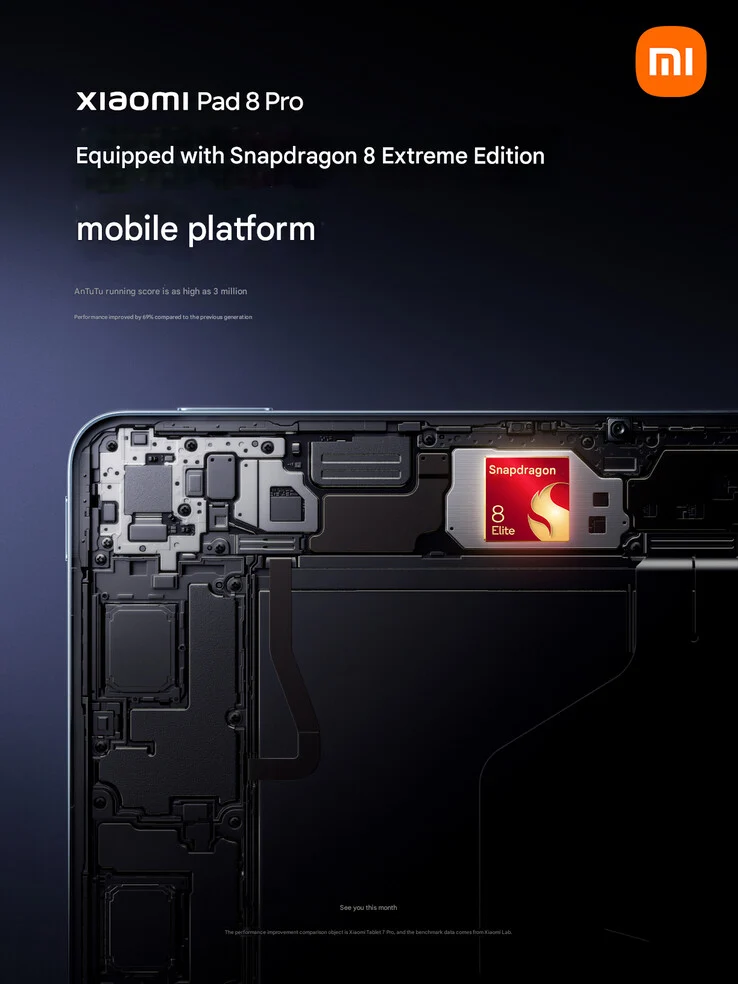
    For performance, the Pro variant will be equipped with a Qualcomm Snapdragon 8 Elite processor, while the standard variant will have a Snapdragon 8s Gen 4 chip. The AnTuTu benchmark for the Pro model is said to hit three million points. Both models will operate on the HyperOS 3 system and will be able to run desktop-class applications, including WPS for productivity, along with features for split-screen multitasking.

    Battery and Design

    In terms of battery life, both models in the series are anticipated to come with a 9,200mAh battery. The Pro variant will support 67W fast charging, while the standard version will have 45W fast charging. Each model will maintain an ultra-slim profile of 5.75mm and have a weight of around 485 grams. The series is also expected to be compatible with the Xiaomi Focus Pen Pro stylus, packing in features that cater to professionals.

    The Pad 8 series is scheduled for its initial launch on September 25 in China, with plans for a worldwide release to follow later.

    Source:
    Link


  • Xiaomi Pad 8 Specs: Snapdragon 8s Gen 4 and More Unveiled

    Xiaomi Pad 8 Specs: Snapdragon 8s Gen 4 and More Unveiled

    Key Takeaways

    1. Xiaomi will launch the Xiaomi 17 series and Xiaomi Pad 8 collection by the end of the month.
    2. The Xiaomi Pad 8 will feature a Snapdragon 8s Gen 4 processor and has been benchmarked on Geekbench.
    3. It will have a single-core score of 1,984 and a multi-core score of 6,323, with 12 GB of RAM.
    4. The tablet will have an 11.2-inch 3.2K 144 Hz LCD display, a 9,200 mAh battery, and support for 45 W charging.
    5. Additional features may include a 13 MP rear camera, an 8 MP front camera, quad speakers, and a USB-C port, but these are not yet confirmed.


    Xiaomi is set to unveil a variety of new devices in China by the end of this month, with the Xiaomi 17 series taking the spotlight alongside the Xiaomi Pad 8 collection. The company has recently confirmed that the Pad 8 Pro will feature the Snapdragon 8 Elite processor, and additional details about the standard Xiaomi Pad 8 have now emerged.

    Performance Insights

    The Xiaomi Pad 8 has been detected on Geekbench ahead of its official release. It carries the model number “25097RP43C” and is powered by a Snapdragon 8s Gen 4. The tablet achieves a single-core score of 1,984 and a multi-core score of 6,323. While these scores are a bit lower than those of other Snapdragon 8s Gen 4 devices, such as the Poco F7 and Nothing Phone (3), they are still within expected ranges. The listing also indicates that the tablet will have 12 GB of RAM.

    Specifications and Features

    Moreover, Xiaomi has disclosed several important specifications about the Pad 8. The tablet will feature an 11.2-inch 3.2K 144 Hz LCD display, a 9,200 mAh battery, HyperOS 3, and will support 45 W charging. It is also expected to measure 5.75mm in thickness and weigh around 485g, similar to the pricier Xiaomi Pad 8 Pro. Rumored features include a 13 MP primary camera, an 8 MP front-facing camera, quad speakers, quad microphones, and a 3.2 Gen1 USB-C port, though these details have not yet been confirmed.

    Source:
    Link


  • Xiaomi Unveils SoC Upgrade for Pad 8 Pro Before Launch

    Xiaomi Unveils SoC Upgrade for Pad 8 Pro Before Launch

    Key Takeaways

    1. Xiaomi is set to launch flagship smartphones and the Pad 8 series, featuring the Snapdragon 8 Elite Gen 5 processor.
    2. The Xiaomi Pad 8 Pro will have a significant performance boost of up to 69% over the previous Pad 7 Pro, thanks to its new Snapdragon 8 Elite SoC.
    3. Competitors like Honor are also releasing tablets with the Snapdragon 8 Elite Gen 5, making the market more competitive.
    4. The Pad 8 Pro is expected to have an 11.2-inch display and support various accessories, including a stylus and keyboard attachment.
    5. Xiaomi plans to introduce a rebranded Xiaomi Pad Mini, equipped with the Dimensity 9400+, but no plans for a device with the Dimensity 9500 or Snapdragon 8 Elite Gen 5 soon.


    Xiaomi is preparing to unveil a range of new gadgets, which includes flagship smartphones powered by the Snapdragon 8 Elite Gen 5. In addition to the Xiaomi 17 phone series, the brand is likely to reveal the Pad 8 series, and recently, they displayed the front design of these tablets.

    SoC Details of Xiaomi Pad 8 Pro

    The company has confirmed that the Xiaomi Pad 8 Pro will use the Snapdragon 8 Elite SoC. As previous leaks suggested, this Pro model will indeed come with the Snapdragon 8 Elite, marking a significant upgrade from the Snapdragon 8s Gen 3 found in the earlier Pad 7 Pro. Specifically, Xiaomi asserts that this new chip will deliver performance enhancements of up to 69% compared to its predecessor.

    Competition and Performance

    However, Xiaomi may not have a clear advantage over rival brands with the Pad 8 Pro, as competitors such as Honor are expected to launch their own tablets featuring the Snapdragon 8 Elite Gen 5 soon. Nevertheless, the Snapdragon 8 Elite is still quite powerful enough to handle everyday tasks and is also suitable for gaming and demanding applications.

    Specifications and Accessories

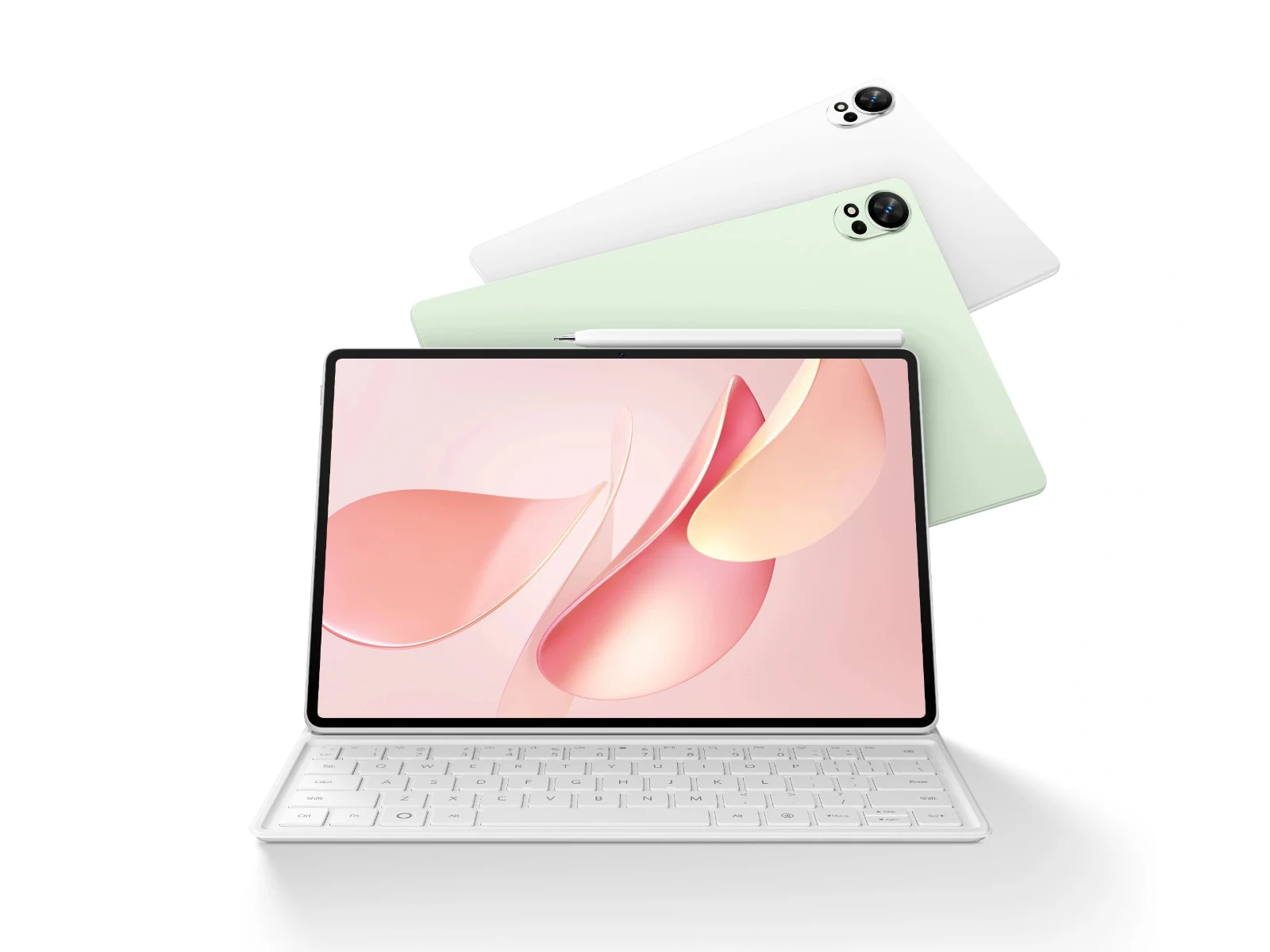
    Regarding specifications, the Xiaomi Pad 8 Pro is anticipated to have an 11.2-inch display, maintaining the same size as the previous model (12/512 GB currently priced at $599 on Amazon). The company has also recently highlighted that the new tablet series will support various accessories, like a stylus and a keyboard attachment, enhancing the devices’ adaptability for different tasks.

    In addition, Xiaomi has hinted at another tablet named the Xiaomi Pad Mini. This device is essentially a rebranded version of the Redmi K Pad for international markets and will be equipped with the Dimensity 9400+. Therefore, it appears that Xiaomi does not plan to release a tablet with the Dimensity 9500 or Snapdragon 8 Elite Gen 5 in the near future.

    Source:
    Link


  • Huawei Launches Global MatePad 12 X 2025 with Major Upgrades

    Huawei Launches Global MatePad 12 X 2025 with Major Upgrades

    Key Takeaways

    1. Same Design and Dimensions: The MatePad 12 X 2025 has identical dimensions and weight to its predecessor, maintaining a 12-inch, 2.8K display with the same color options.

    2. Improved Camera: The new model features a 50 MP main camera, an upgrade from the previous 13 MP, while keeping the front-facing camera at 8 MP.

    3. Enhanced Connectivity: The USB Type-C port now supports USB 3.1 Gen 1 speeds, improving data transfer capabilities.

    4. Software Update: The MatePad 12 X 2025 comes with HarmonyOS 4.3 pre-installed, replacing HarmonyOS 4.2 from the last model.

    5. Pricing and Included Accessories: Launched at £599.99, the new model is 9% more expensive than its predecessor and includes a detachable keyboard and a free active stylus, but does not come with a charger.


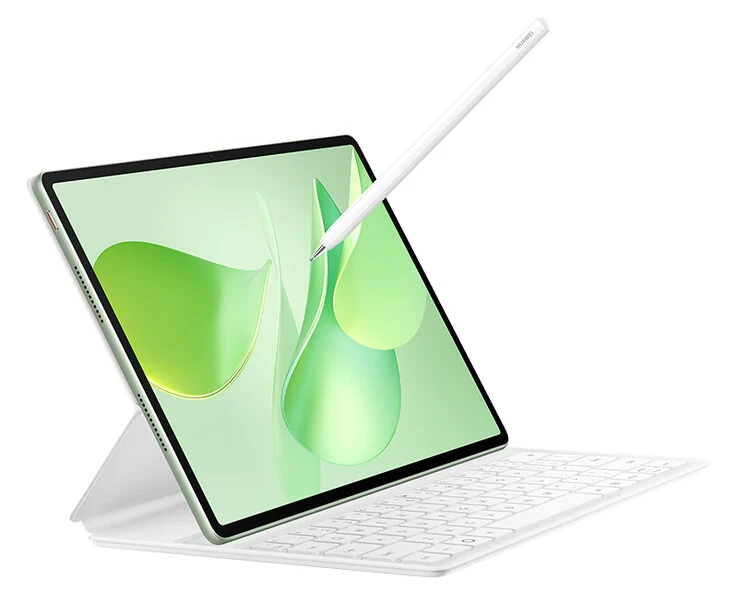
    Huawei has unveiled the MatePad 12 X worldwide, marking a year since the last model was introduced. Known as the MatePad 12 X 2025 or simply the MatePad 12 X, the new version looks nearly identical to the previous year’s model, offering the same Greenery and White color choices.

    Similar Dimensions and Features

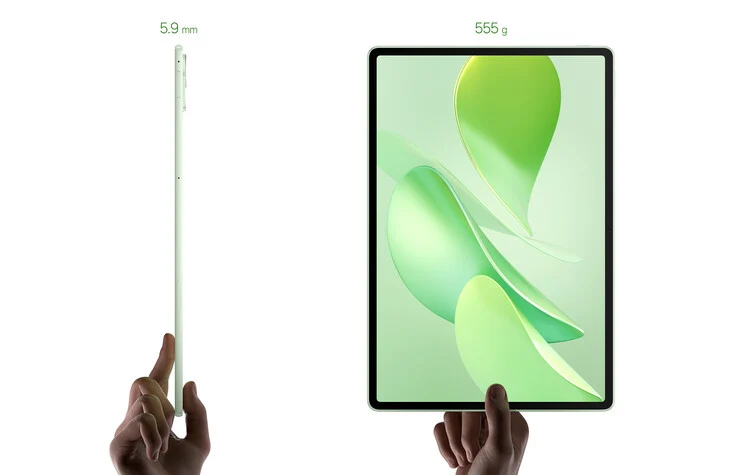
    The MatePad 12 X 2025 keeps the same dimensions at 270 x 183 x 5.9 mm and weighs 555 g, making it comparable in size to Samsung’s Galaxy Tab S10 Plus (currently priced at $699.99 – renewed on Amazon). Additionally, it continues to feature the 12-inch, 2.8K display with 1,000 nits of brightness and the same 10,100 mAh battery as its forerunner.

    Upgraded Camera and Connectivity

    However, there are some improvements in the new model. The MatePad 12 X 2025 now sports a 50 MP main camera instead of the 13 MP found in the previous version, while the front-facing camera remains at 8 MP. The 8 MP ultra-wide-angle camera that was available on the earlier model is not included this time around.

    It appears that Huawei has enhanced the tablet’s USB Type-C port to support USB 3.1 Gen 1 speeds. The previous model’s six-speaker setup, 12 GB of RAM, and 256 GB of storage are still present. Furthermore, the MatePad 12 X 2025 comes with HarmonyOS 4.3 pre-installed, replacing HarmonyOS 4.2. It is still uncertain whether Huawei has upgraded from the Kirin 910A chipset used in the last model.

    Pricing and Availability

    These updates result in a launch price of £599.99, which includes a detachable keyboard and a free active stylus. Although it is competitively priced among large Android tablets, the MatePad 12 X 2025 is 9% pricier than its predecessor and does not come with a charger this time. For further information, please check Huawei’s official website.

    Source:
    Link


  • MoaanFly Color E-Reader: Extra Battery, Stylus Support, Android

    MoaanFly Color E-Reader: Extra Battery, Stylus Support, Android

    Key Takeaways

    1. The MoaanFly functions as both an Android e-reader and a tablet with an e-ink display, allowing app downloads from the Play Store.
    2. E-ink technology is easy on the eyes but has slow response times, making it unsuitable for watching videos.
    3. It features a 7-inch display with a resolution of 1,264 x 1,680 pixels, and supports stylus use with 4,096 levels of pressure sensitivity.
    4. The device has a dual-battery setup, with a total of 3,150 mAh capacity, and supports USB-C, Wi-Fi, and Bluetooth 5.0.
    5. Currently available on Kickstarter with an early-bird price of $299, and potential backers should consider shipping details and risks of crowdfunding.


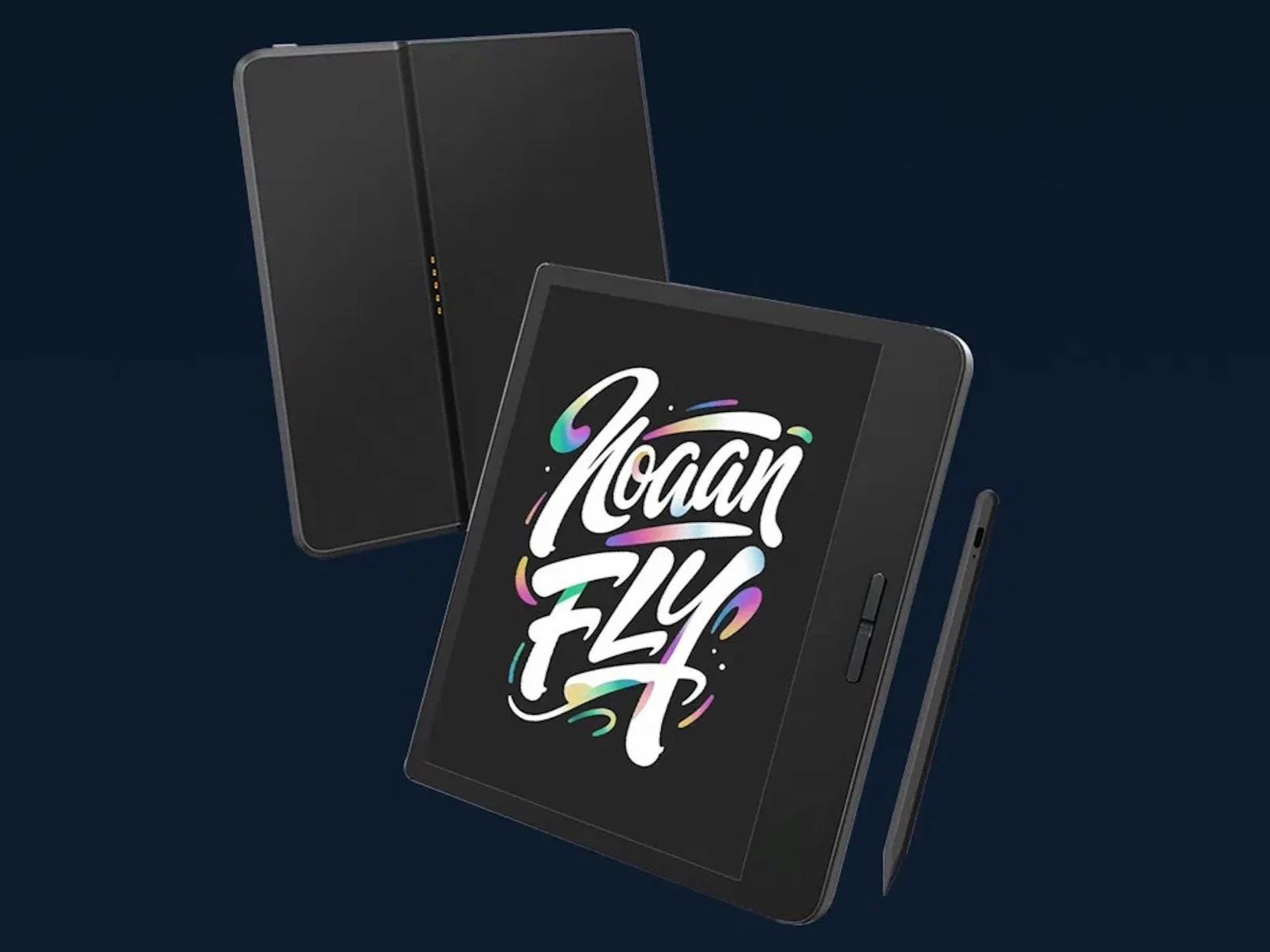
    Depending on your perspective, the MoaanFly can be seen as either an e-reader that operates on Android or a tablet featuring an e-ink display. Because it runs on Android, users have the flexibility to download more apps, although not all of them are ideal for e-ink screens. While e-ink technology makes reading gentler on the eyes, it lacks fast response times. For example, watching videos wouldn’t really work well – especially not with the MoaanFly’s Kaleido 3 panel. The gadget comes equipped with Android 14 and provides access to the Play Store, so users don’t need to sideload apps. The idea of an Android e-ink tablet with stylus capability isn’t brand new, as products like the Boox Note Air4 C are already for sale (around $530 on Amazon).

    Specifications and Features

    The MoaanFly operates on a Rockchip RK3756 SoC, combined with 4 GB of RAM and 64 GB of internal storage. Its 7-inch display has a resolution of 1,264 x 1,680 pixels, but the pixel density gets cut in half when in colour mode. Users can adjust both the colour temperature and the brightness of the front light. The device accommodates stylus use with 4,096 levels of pressure sensitivity. A standout feature is its dual-battery setup: in addition to the 1,200 mAh battery within the tablet, the charging cover includes a built-in 1,950 mAh battery connected through pogo pins. The device also supports USB-C, Wi-Fi at both 2.4 GHz and 5 GHz, plus Bluetooth 5.0.

    Pricing and Availability

    Currently, the MoaanFly is part of a Kickstarter campaign, with an early-bird price starting at $299. The official stylus is available as an optional extra. Potential backers should take the time to read through the shipping details and any related import taxes and duties, and be mindful of the risks that come with crowdfunding endeavors. Nevertheless, some early users seem to have received their devices already, as indicated in this video.

    Source:
    Link


  • Alldocube Ultra Pad: New Tablet with 15,000 mAh Battery & Snapdragon

    Alldocube Ultra Pad: New Tablet with 15,000 mAh Battery & Snapdragon

    Key Takeaways

    1. Alldocube has launched the Ultra Pad, a new large tablet and successor to the iPlay 70 Mini series.
    2. The Ultra Pad features a Qualcomm Snapdragon 7+ Gen 3 chipset, 12 GB of RAM, and 256 GB of expandable storage.
    3. It has a large 15,000 mAh battery with 33 W wired charging capability.
    4. The tablet boasts a 12.95-inch display with a resolution of 2,880 x 1,840 pixels and a 144 Hz refresh rate.
    5. The Ultra Pad runs on Android 15 with Alldocube OS 4.1, but future Android updates are uncertain.


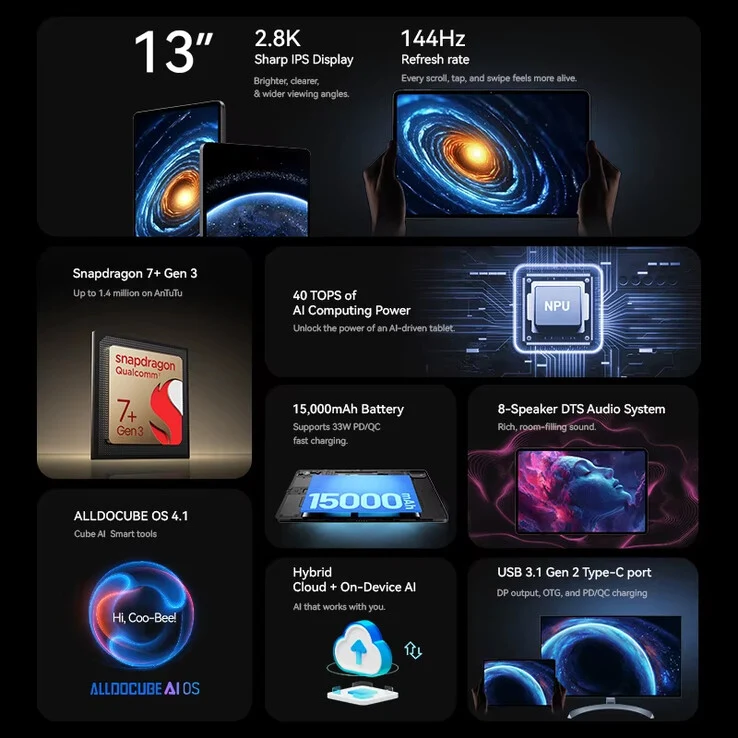
    Alldocube has launched its new large tablet worldwide, following its earlier announcement this month. The Ultra Pad is the successor to the iPlay 70 Mini Pro and the iPlay 70 Mini Ultra (currently priced at $369 on Amazon) that Alldocube introduced earlier this year. Notably, the Ultra Pad is powered by the same Qualcomm Snapdragon 7+ Gen 3 chipset found in the iPlay 70 Mini Ultra.

    Impressive Specifications

    In addition to the 4 nm chipset, Alldocube has equipped the Ultra Pad with a substantial 15,000 mAh battery that allows for 33 W wired charging. The Snapdragon 7+ Gen 3 works seamlessly with 12 GB of RAM and 256 GB of expandable storage. It’s important to mention that although Alldocube claims the Ultra Pad has 18 GB of RAM, 6 GB of that is essentially a page file created from its storage, rather than actual dedicated RAM.

    Display and Software

    Moving on, the Ultra Pad boasts a 12.95-inch display with a resolution of 2,880 x 1,840 pixels and a refresh rate of 144 Hz. The device runs on Android 15, enhanced by Alldocube OS 4.1, and features an 8-speaker DTS audio system. Unfortunately, there’s no assurance that Alldocube will provide significant updates to Android 16 or later for the Ultra Pad.

    At present, the Alldocube Ultra Pad is available in Japan for JPY 44,999 (approximately $309), which is a bit above the company’s stated retail price of $299.99. In comparison, the same tablet is listed for just under $345 on Alldocube’s official AliExpress store or $374 when purchased with a detachable keyboard. For more information, you can check Alldocube’s website.

    Source:
    Link


  • Lenovo Yoga Tab Launches with 11.1-Inch 144Hz Display

    Lenovo Yoga Tab Launches with 11.1-Inch 144Hz Display

    Key Takeaways

    1. Launch Details: The Lenovo Yoga Tab was launched in September 2025, featuring 12 GB of RAM and 256 GB of storage, priced at $549.99.

    2. Performance Specs: It is powered by the Snapdragon 8 Gen 3 processor, LPDDR5X RAM, and includes an 8,860 mAh battery with 68 W fast charging.

    3. Display Features: The tablet has an 11.1-inch display with a resolution of 3,200 x 2,000 pixels, a 144 Hz refresh rate, and a peak brightness of 800 nits.

    4. Camera and Connectivity: It includes a 13 MP front camera and two rear cameras, along with WiFi 7, Bluetooth 5.4, and a USB 3.2 Gen 1 Type-C port.

    5. Accessory Support: The Yoga Tab supports a 3-point pogo pin connection for accessories like a keyboard cover and an active stylus, enhancing its usability for digital art.


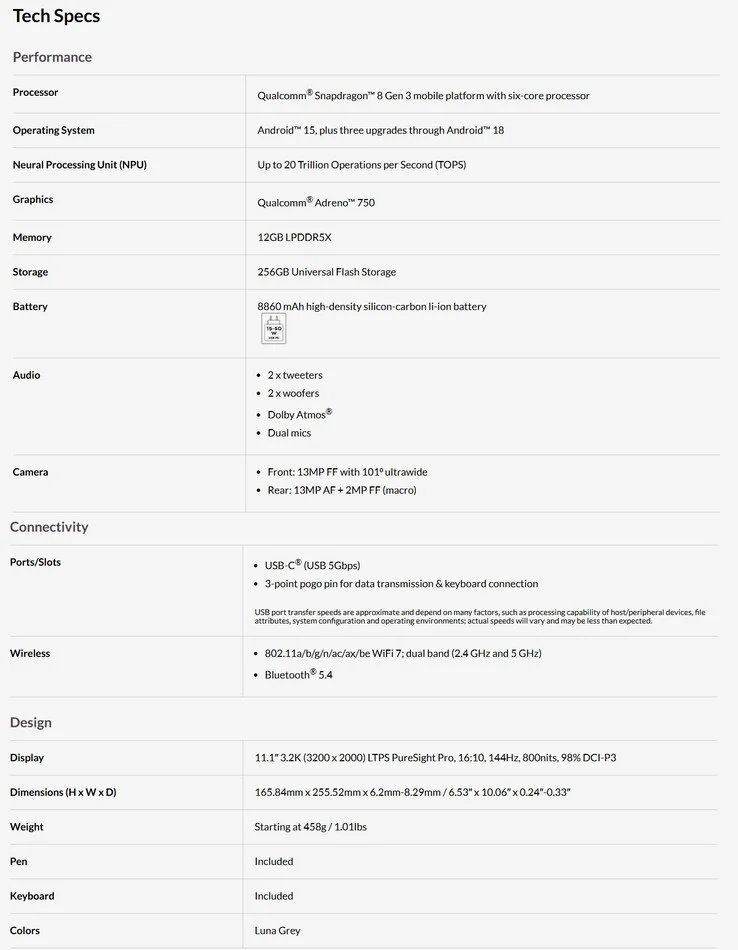
    Lenovo has launched the Yoga Tab earlier this month in Septembar 2025, and it’s now ready for buyers. The official store presents it in a single configuration, which includes 12 GB of RAM and 256 GB of storage, priced at $549.99.

    Powerful Performance

    Inside, the Lenovo Yoga Tab is powered by the Snapdragon 8 Gen 3, a high-end SoC from 2023. Lenovo has combined this with LPDDR5X RAM and some UFS storage that hasn’t been specified. The tablet runs on an 8,860 mAh battery, which supports fast charging at 68 W.

    Stunning Display Features

    On the front, this tablet features an 11.1-inch screen with a resolution of 3,200 x 2,000 pixels and a refresh rate of 144 Hz. The company asserts that the 16:10 display reaches a peak brightness of 800 nits, ensuring bright and colorful visuals.

    For the camera, the Yoga Tab is equipped with a 13 MP front-facing camera, while the rear houses two cameras with a 13 MP main sensor. In terms of wireless connectivity, this Lenovo tablet includes WiFi 7 and Bluetooth 5.4, along with a USB 3.2 Gen 1 Type-C port that supports 5 Gbps data transfers.

    Accessory Connectivity

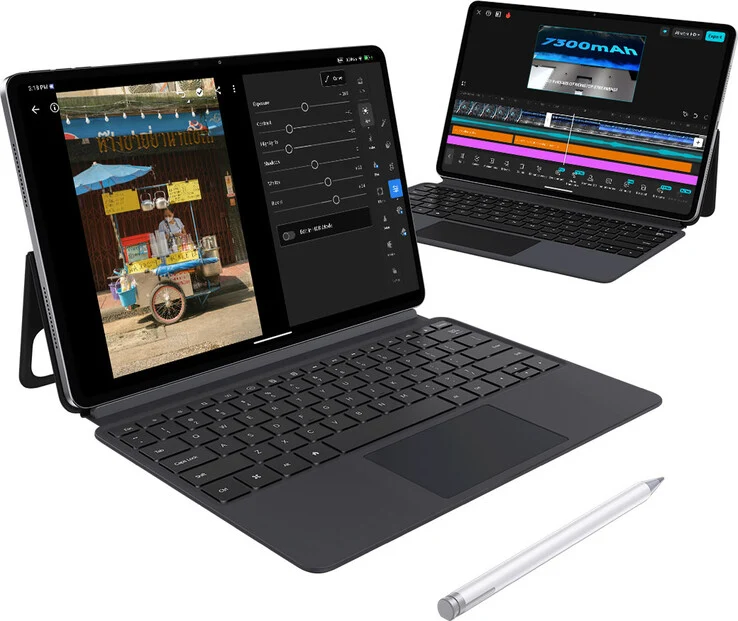
    Additionally, the tablet features a 3-point pogo pin connection for attaching accessories. Notably, the compatible keyboard cover can turn it into a 2-in-1 device, and with active stylus support, the Yoga Tab is a great option for those interested in digital art.

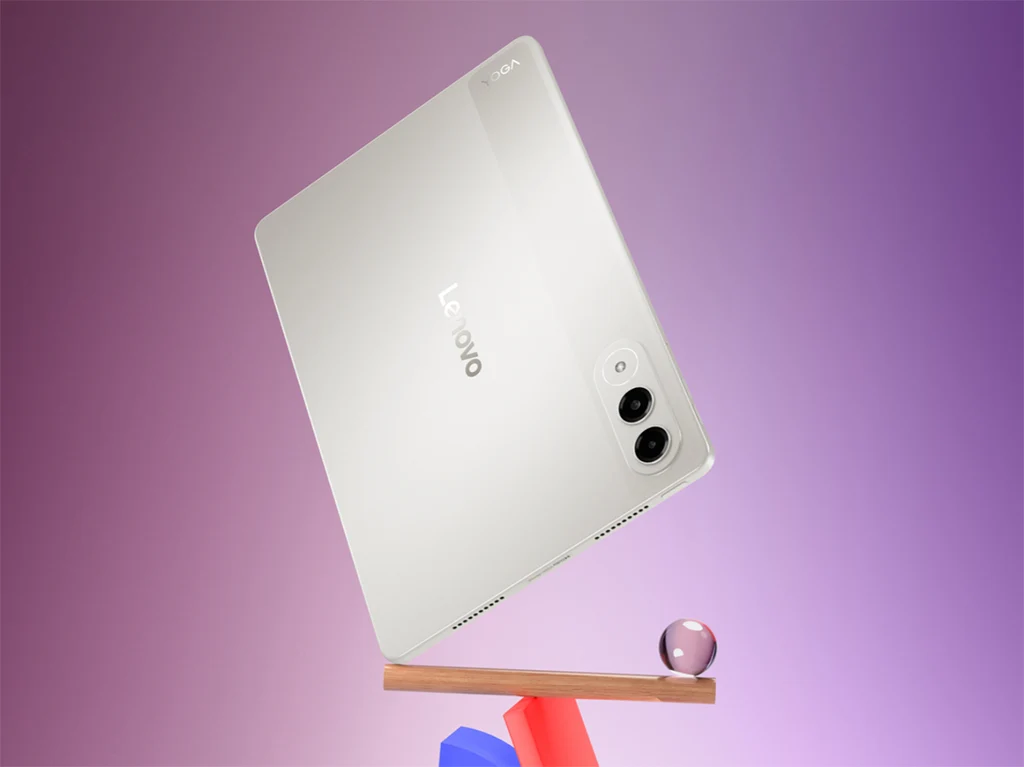
    Some other notable features of the Lenovo Yoga Tab are its elegant design, a quad-speaker system with Dolby Atmos, and its lightweight nature. You can find more details about the tablet in the spec sheet or the video linked below.


  • New Redmi Pad 2 Pro Leak Unveils Specs of Budget Tablet

    New Redmi Pad 2 Pro Leak Unveils Specs of Budget Tablet

    Key Takeaways

    1. The Redmi Pad 2 Pro will launch globally on September 24, 2025, alongside the Xiaomi 15T series.
    2. It features the Snapdragon 7s Gen 4 processor, a significant upgrade from the previous model.
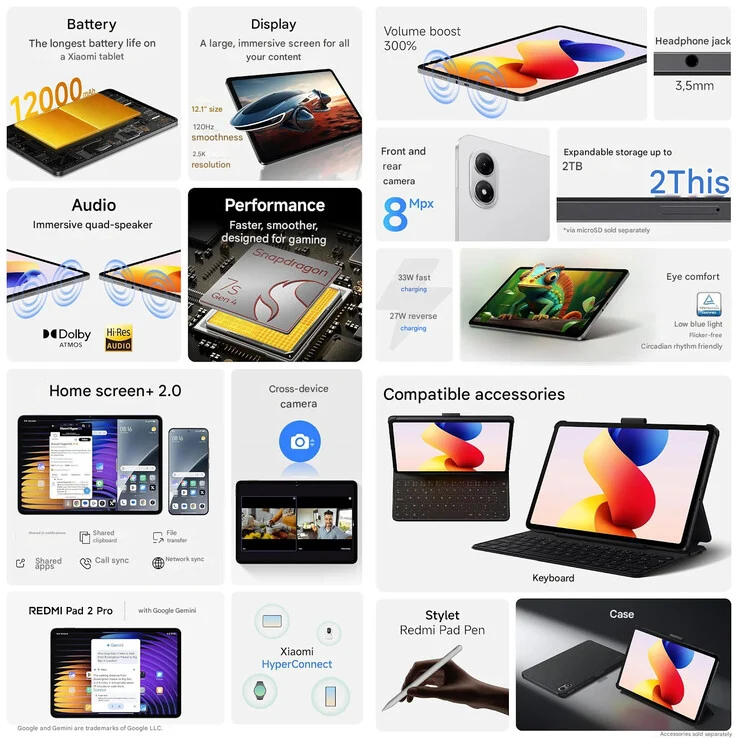
    3. The tablet has a 12.1-inch display with “2.5K” resolution and a 120 Hz refresh rate, and an increased battery capacity of 12,000 mAh.
    4. Charging remains at 33 W, with a new reverse charging feature at 27 W, and includes a quad-speaker system with Dolby Atmos support.
    5. Additional features include an 8 MP rear camera, microSD card slot, and a 3.5 mm headphone jack, with pricing details still to be announced.


    The Redmi Pad 2 Pro is about to be fully revealed along with the Xiaomi 15T series. This global launch is set for September 24, 2025, and the company has already shared some details about the budget-friendly tablet. Recently, a leak has come to light that uncovers the main specifications of the device.

    Performance and Specifications

    According to the leak, the Redmi Pad 2 Pro will be equipped with the Snapdragon 7s Gen 4, which was already hinted at in previous reports. This is a newly released mid-range processor from Qualcomm, and it represents a significant upgrade over the 7s Gen 2 used in the previous model of the affordable tablet.

    Display and Battery

    The leak also indicates that this new tablet will come with a 12.1-inch display featuring a “2.5K” resolution and a 120 Hz refresh rate, which does not mark an improvement. However, Xiaomi has confirmed that the battery capacity has increased. It now boasts a capacity of 12,000 mAh, up from the 10,000 mAh battery seen in the earlier version.

    Charging and Audio Features

    In terms of charging speed, it remains unchanged from the previous model. The leak points out that the Redmi Pad 2 Pro will support 33 W fast charging. A notable new feature is the reverse charging capability at 27 W, which is a fresh addition for this upcoming tablet (240 W 3-feet Anker Nano USB-C cable curr. $15.99 on Amazon).

    Another interesting detail from the leak is the audio configuration of the tablet. It will include a quad-speaker system with Dolby Atmos support. Additional features mentioned in the leak are an 8 MP rear camera, a microSD card slot, and a 3.5 mm headphone jack. Pricing information is not yet available, but the previous model was launched at around $207 in China.

    Equal Leaks on telegram

    Source:
    Link