Key Takeaways
1. Researchers developed a small, detergent-free washing machine for astronauts to clean clothes in space.
2. The washing machine is cube-shaped, weighs 12 kg, and uses only 400 ml of water for cleaning.
3. It employs a super-fine mist, ultraviolet light for ozone disinfection, and heated air for drying clothes.
4. The system achieved a 99.9% sterilization rate, allowing clothes to be safely worn up to five times.
5. This innovation could reduce clothing weight for space missions by over 60%, with plans for a working model in the future.
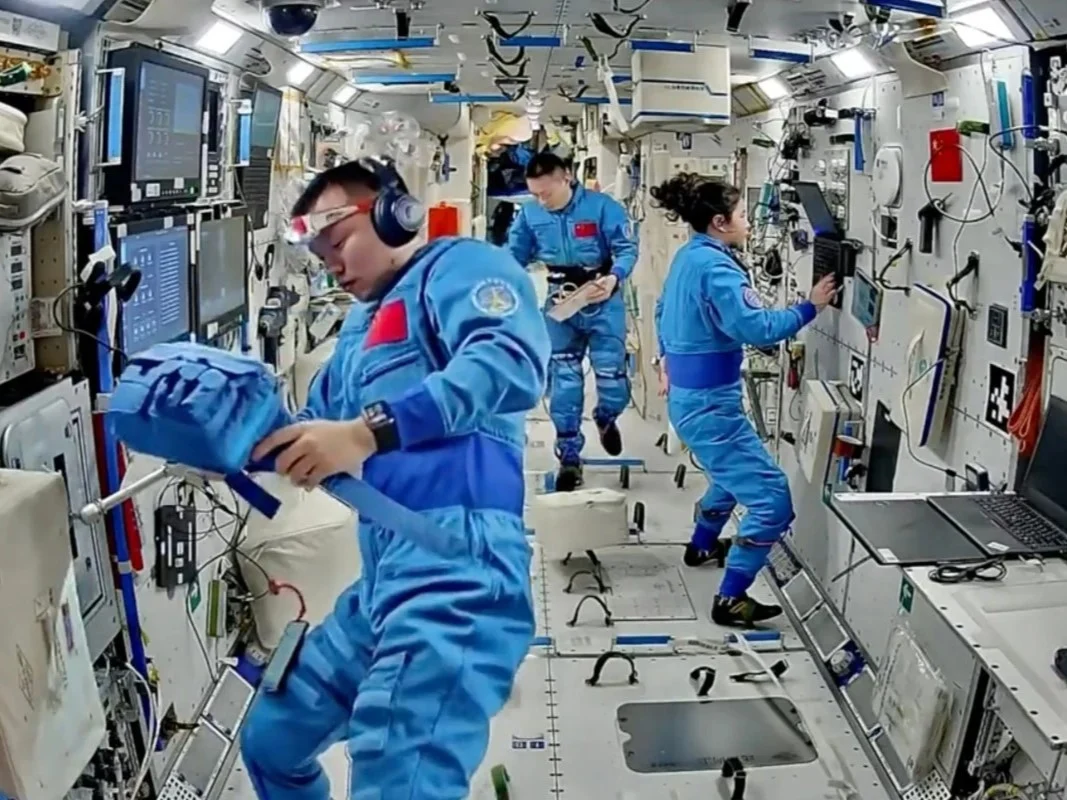
Researchers at the China Astronaut Research and Training Center have come up with a small washing machine that does not need detergent. Their goal is to tackle the issue of dirty clothes that astronauts face while up in space. Water is a limited resource on space stations since it’s really expensive to send it into space. Therefore, astronauts mostly use recycled water for their needs. Right now, they just wear their clothes until they’re filthy and then throw them away in cargo ships that burn up when they come back to Earth.
Compact Design and Functionality
This new washing machine, explained in the Chinese Journal of Space Science, is cube-shaped and slightly bulkier than a suitcase, weighing around 12 kilograms (26 lbs). It operates by cleaning clothes in a sealed chamber with cycles that last 30 minutes.
To start, it sprays a super-fine mist onto the clothes using only 400 milliliters of water. After that, ultraviolet light is used to create ozone, which disinfects the clothing. In the end, heated air is employed to break down the leftover ozone gas while also drying the clothes at the same time. The researchers have reported that their system achieved a 99.9% sterilization rate in tests, which means the clothes can be worn safely up to five times.
Future Prospects for Astronauts
If this idea becomes reality, astronauts will be able to clean their clothes while in space. This innovation could cut down the total weight of clothing that needs to be sent on space missions by more than 60%. The researchers have stated that their next goal is to create a working model of this washing machine.
Source:
Link