1. Atari is actively rebuilding its presence in the retro gaming industry through acquisitions and partnerships, notably acquiring Implicit Conversions and collaborating with Digital Eclipse.
2. Implicit Conversions specializes in emulating classic games using its proprietary Syrup engine, supporting multiple legacy systems, with plans to expand to PlayStation 2 and beyond.
3. Atari’s strategy includes leveraging a suite of proprietary emulation tools to expand its catalog of retro titles and license its brand across various gaming ventures.
Atari’s Comeback and Strategic Moves in Retro Gaming
Atari is really making moves to get back into the limelight in the world of old school video games. They just bought Implicit Conversions, a studio based in Delaware that is all about emulating and bringing back games from the 8-bit, 16-bit, and 32-bit days to modern gadgets and consoles. This move seems like a serious effort to capitalize on the current love for retro games.
Innovative Emulation and Future Plans
Implicit Conversions is pretty famous for its special Syrup engine. This is an advanced tool that helps them port old games onto new devices, even without having the original source code of those games. They support multiple classic gaming systems, including the PlayStation and PlayStation 2, which they are still developing support for. It’s clear they got big dreams for expanding beyond the current systems.
Reviving Classic Titles and Collaborations
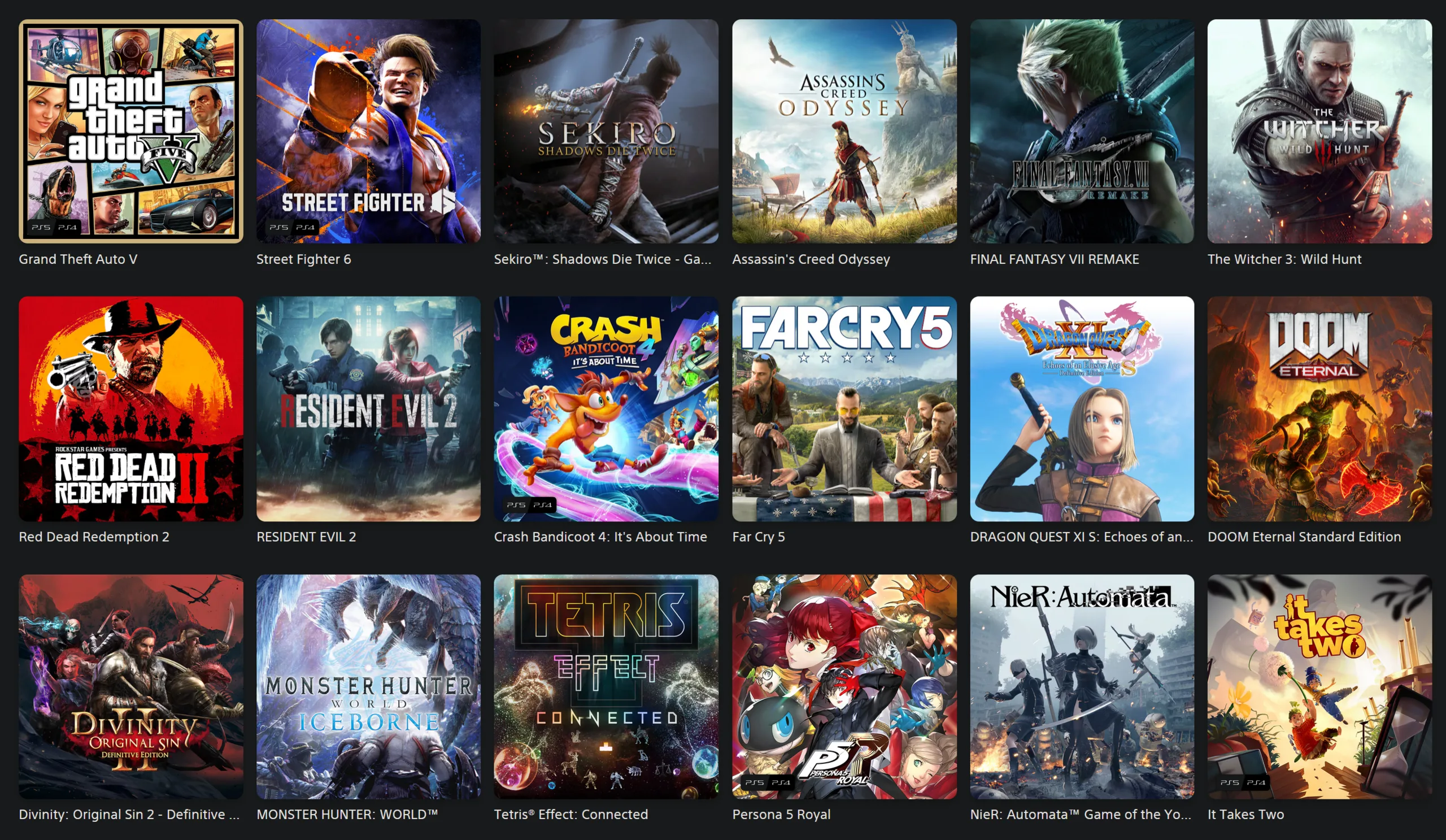
Over the past few years, the studio has brought back over a hundred beloved games, like Sly Cooper, Tomb Raider: Legend, and Fear Effect. They’ve done this work for consoles like PS5, PS4, Switch, and personal computers. Their collaboration with Atari’s subsidiary Digital Eclipse has also opened up new projects, showing their growing influence. Digital Eclipse recently worked on some original PlayStation titles, notably in collections like Mortal Kombat: Legacy Kollection and Rayman’s 30th Anniversary Edition.
Historical Context and Company Resurgence
Atari’s journey from its massive failure in 1984, during the North American video game crash, has been dramatic. In 1983, they lost over $536 million, which led to their split and sale in 1984. Fast forward to 2026, and Atari is back with a focus on nostalgic games. Earlier this year, they bought Digital Eclipse for $20 million, valuing their expertise in emulating older games and their collaboration with Nightdive Studios.
Leadership and Future Expansion
Wade Rosen, the CEO of Atari, explained their strategy, saying that Implicit Conversions’ ability to handle 32-bit games enhances what they already do with 8-bit and 16-bit games. With tools like the Bakesale and Kex Engines, plus their talented engineering team, they are aiming to grow their catalog and support their partners’ backlists. This approach seems designed to keep Atari relevant and innovative in the ongoing retro gaming revival.
Brand Expansion and Licensing Efforts
Recently, Atari has been very active in licensing their game library and brand name, riding on the wave of positive public perception. They’ve launched portable game consoles under their brand, emphasizing their nostalgic appeal while exploring new ventures to keep their name alive among gamers today.