Key Takeaways
1. Significant progress has been made in preserving Xbox 360 games, with titles being recompiled for PC, enhancing performance and modding capabilities.
2. ReXGlue, a new static recompilation SDK, simplifies the recompilation process and encourages community collaboration to improve tools and solutions.
3. The recompilation of Ninja Gaiden 2 is crucial for preserving the original gameplay experience, as modern versions alter key design elements.
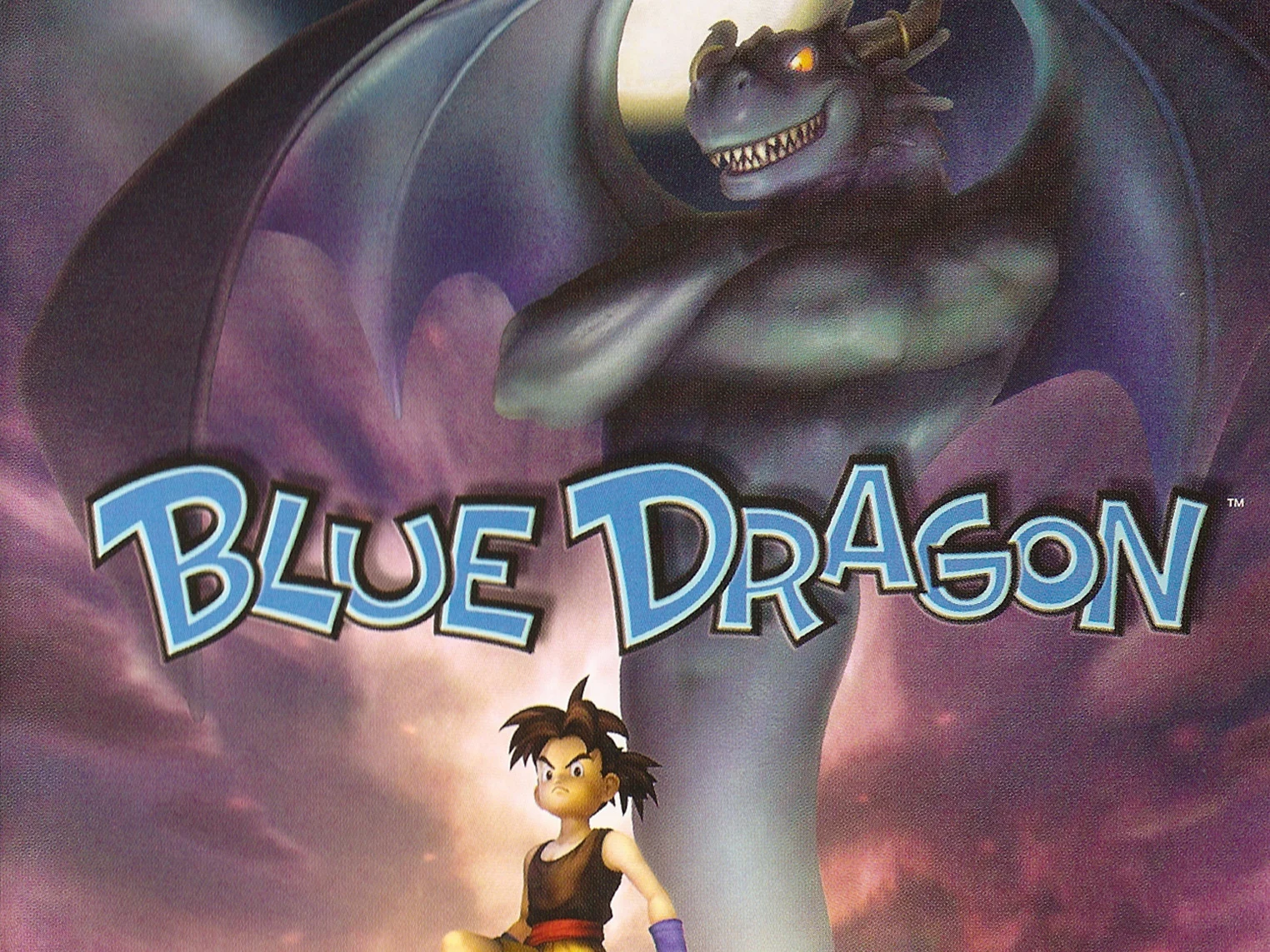
4. Blue Dragon is highlighted as an important Xbox exclusive, showcasing a collaboration between notable game developers and reflecting Xbox’s strategy to engage Japanese gamers.
5. The historical significance of Blue Dragon and its mixed reception emphasizes the importance of game preservation efforts for both nostalgia and legacy in gaming culture.
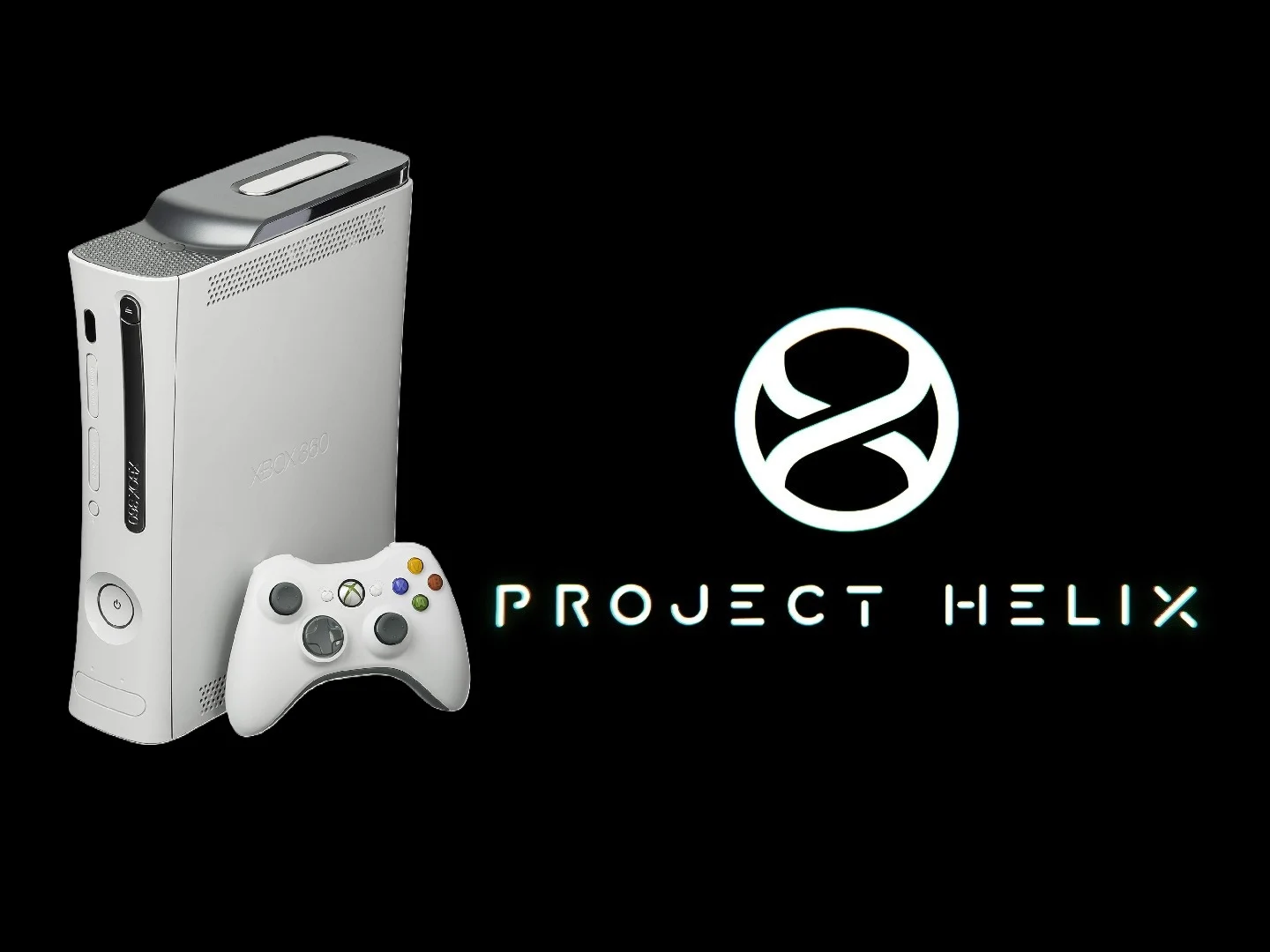
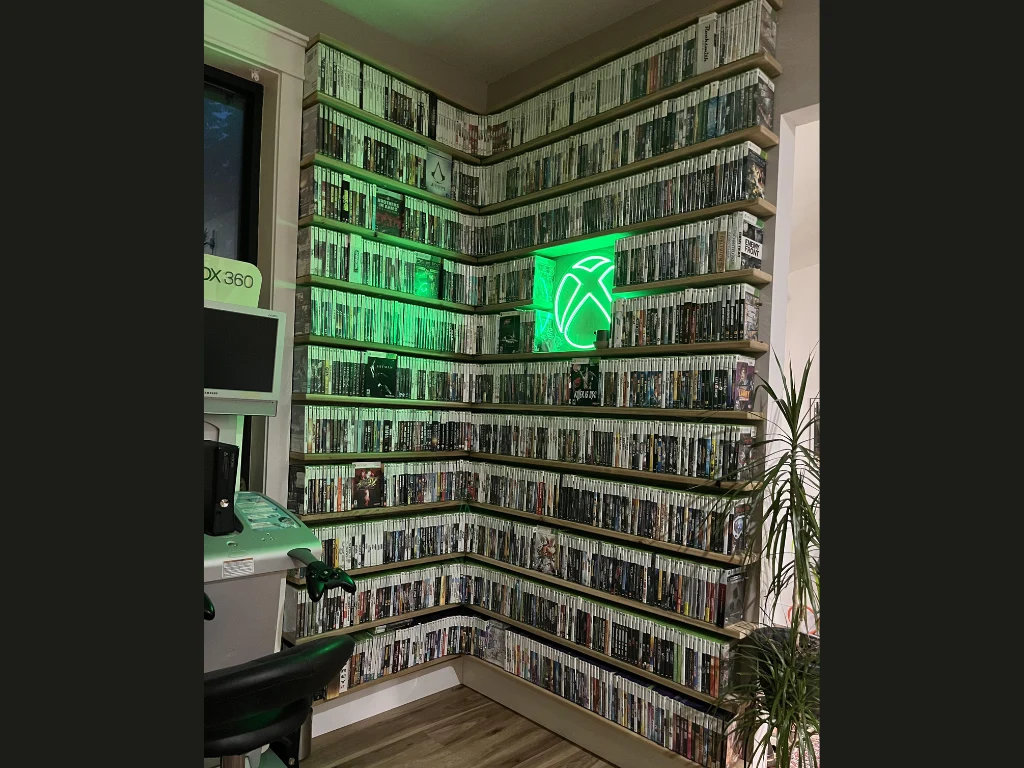
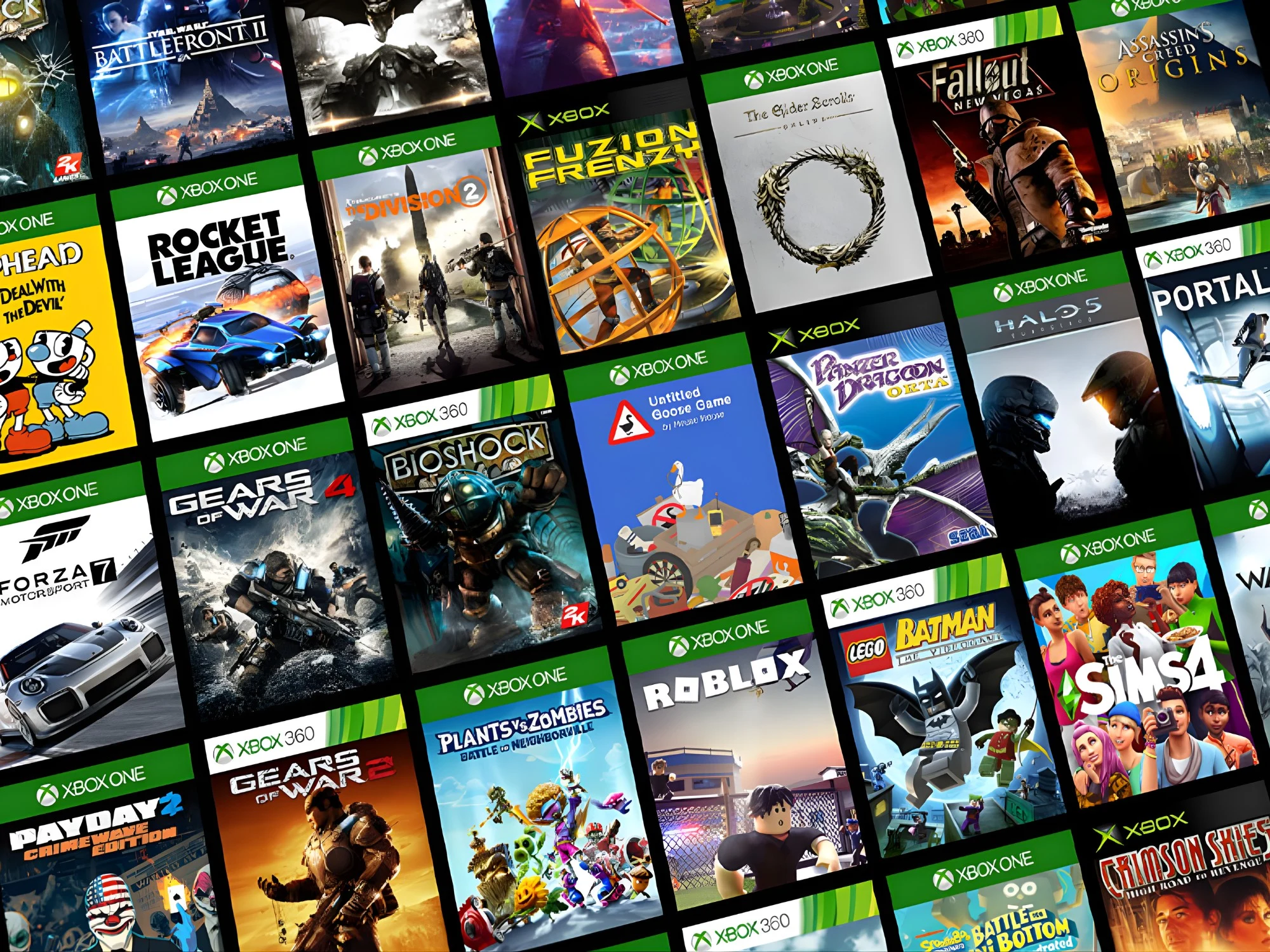
Great progress has been achieved in preserving Xbox 360 games since Sonic Unleashed Recompiled was launched. Now, titles like Blue Dragon, Ninja Gaiden 2, Dragon Ball Z: Budokai HD, and Dragon Ball Z: Raging Blast 2 are being recompiled for PC. With the uncertain future of the Xbox brand due to average hardware sales and Phil Spencer’s departure, it’s fascinating to see how committed fans are to maintaining Xbox’s history. Recompiled games generally provide better performance and make it simpler to create mods, though recompiling a game requires much more manual effort than simply emulating it.
Recompilation Tools
The recompilations utilize ReXGlue, a static recompilation runtime SDK designed for Xbox 360 games. Sonic Unleashed Recompiled relied on earlier tools like XenonRecomp and XenosRecomp, which were essential for developing ReXGlue but needed specific runtimes for each game. By introducing a runtime based on Xenia, ReXGlue simplifies the recompilation process, making it easier to test and troubleshoot final executables. There’s an increased emphasis on community input, enabling fixes to be shared efficiently across different projects instead of being confined to individual games or engines.
Developer Insights
While writing this piece, I reached out to Tom Clay, the developer of ReXGlue, who is also responsible for the Blue Dragon recompilation. He explained: “The larger vision connects everything. The expectation isn’t that the SDK will be completely solved—that’s just not feasible and frankly, it’s the wrong mindset. Instead, the idea is to create a feedback loop within the community. A developer creates a recompilation, encounters an issue, finds a solution for their specific game, and if it’s general enough, that solution gets integrated back into the SDK for other users to benefit from. The aim is to equip people with powerful tools to create their own content, and then integrate the best of those contributions back into the platform. Over time, the SDK becomes more robust not just through core development, but also through the collective work of everyone contributing to it. This approach makes it more than just a toolkit—it’s a platform.”
Game Preservation Importance
The recompilation of Ninja Gaiden 2 is especially significant for game preservation because modern versions like Sigma 2 and 2 Black change combat and enemy design compared to the original, which was high-energy and pushed limits. Fans wanting the original experience must rely on original hardware, Xbox Backward Compatibility, or modding currently available PC releases to mimic the original’s design. It’s also important to note that this was the last Ninja Gaiden title developed by the late Tomonobu Itagaki, who had no role in the toned-down Sigma 2 and was pivotal in reviving the NES Ninja Gaiden series for the Xbox.
Despite being quite distinct, Blue Dragon and Dragon Ball Z: Raging Blast 2 have a shared element—both feature character designs from Akira Toriyama, the creator of Dragon Ball. Raging Blast 2 is a 3D arena fighter that draws inspiration from the Budokai Tenkaichi/Sparking! series of Dragon Ball fighting games, but it is arguably the less notable of the two titles. Nowadays, Budokai Tenkaichi has been brought back on modern consoles through Sparking! Zero, and many series enthusiasts prefer Budokai Tenkaichi 3 netplay over the Raging Blast series, which is seen as a bridge between Tenkaichi and Xenoverse.
The Significance of Blue Dragon
Blue Dragon stands out more notably, as it represents a collaboration between Akira Toriyama and Hironobu Sakaguchi, known for his work on Final Fantasy. It’s somewhat seen as a spiritual successor to Chrono Trigger, the classic SNES RPG that resulted from their partnership. While the Dragon Quest series also features Toriyama’s designs, it does not include Sakaguchi the way Chrono Trigger and Blue Dragon do.
Interestingly, Blue Dragon was an Xbox exclusive developed by Mistwalker, part of Microsoft’s efforts to encourage support from Japanese developers during the Xbox 360 launch, hoping to attract Japanese gamers to the American console. The game received positive reviews in Japan, even setting sales records for Xbox 360 games there. However, the reception and sales in Western markets were more tepid, likely due to its conventional JRPG design and narrative. While graphics and music were widely praised, the storyline and game mechanics were not seen as particularly innovative.
In conclusion, Blue Dragon is a pivotal moment in Xbox’s history, Akira Toriyama’s artistic legacy, and Hironobu Sakaguchi’s contributions to gaming. Despite its mixed reception at the time, the game’s historical importance, absence of modern ports, and the subsequent manga and anime adaptations are notable. For players today who may have missed it or feel nostalgic, this recompilation effort—and all similar efforts—are significant.
Source:
Link