Key Takeaways
1. Design Upgrade: The Keychron K2 HE All-Wood Special Edition features a full walnut case, replacing the previous plastic and aluminum materials, resulting in a heavier and more stylish keyboard.
2. Price Increase: The All-Wood Special Edition is priced at $199.99, which is $60 more than the standard Special Edition K2 HE available on Amazon.
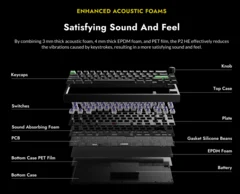
3. Sound and Aesthetics: While the new walnut case may slightly alter the sound, Keychron has not provided audio clips, and the internal sound-damping materials remain unchanged.
4. Design Concerns: The keyboard has a raised front height of 27.89 mm, lacks flip-out feet for adjustable typing angles, and wooden cases may warp over time without proper stabilization.
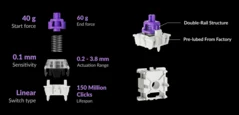
5. Consistent Features: The keyboard retains the same specifications as the K2 HE, including tri-mode wireless connectivity, a 4,000 mAh battery, and Gateron Double-Rail Magnetic Nebula switches, but lacks compatibility with standard HE switches.
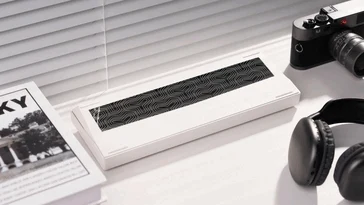
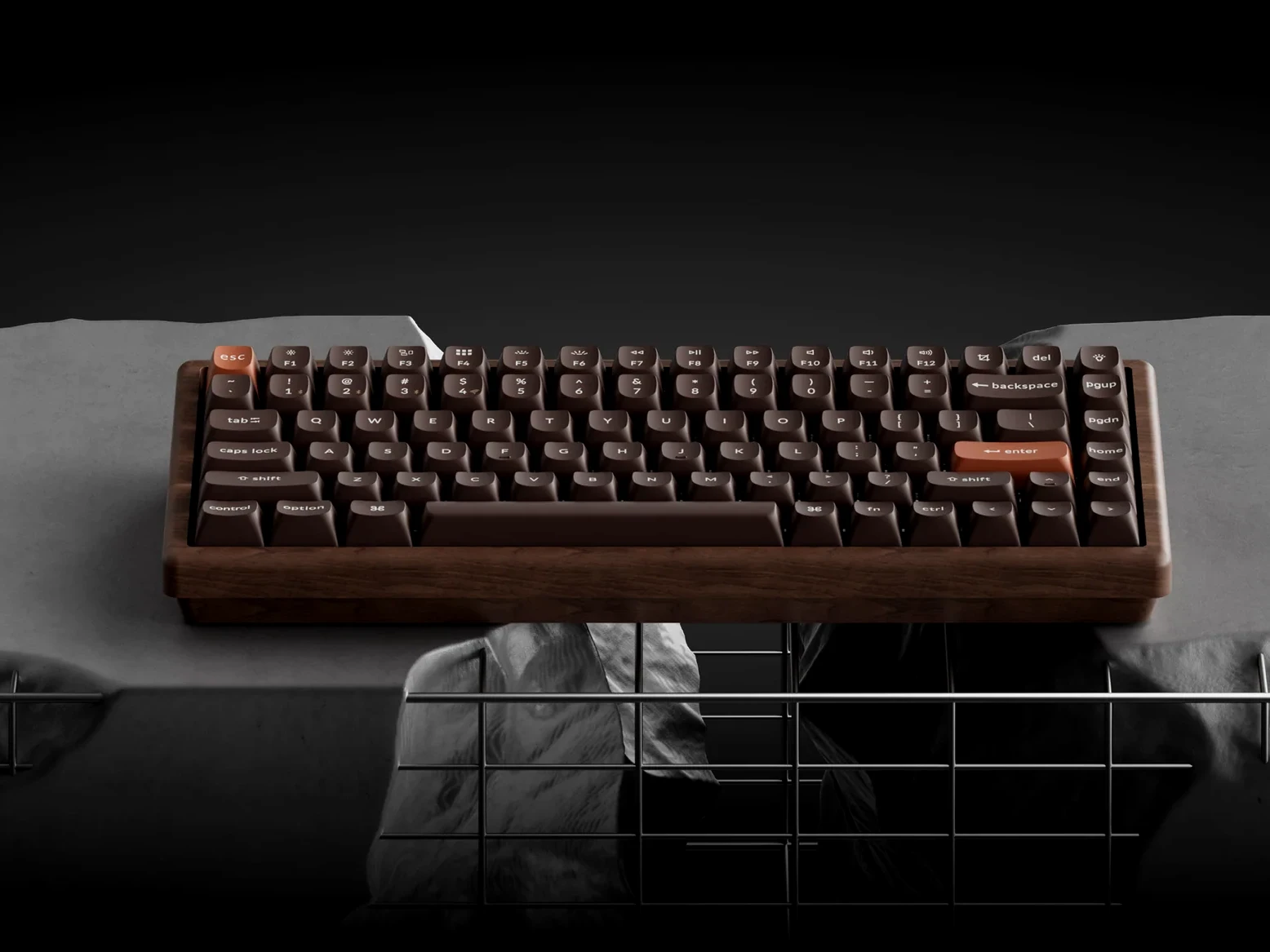
We took a look at the Keychron K4 HE, which is the larger version of the very popular K2 HE, and we gave high marks to this wireless gaming keyboard for its great customization options and stylish design—qualities it shares with the K2 HE. Now, Keychron has released an updated version of the K2 HE called the All-Wood Special Edition. This new model swaps out the original’s plastic and aluminum case, along with its rosewood side panels, for a case made completely out of walnut. The Keychron K2 HE All-Wood Special Edition comes with a hefty price tag of $199.99, which is a $60 increase compared to the Special Edition K2 HE available on Amazon.
Aesthetic Changes and Sound
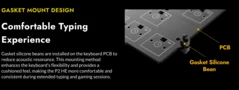
Similar to the recent all-copper Q1 HE, the Keychron K2 HE All-Wood Special Edition mainly introduces a visual upgrade, though the change in materials may lead to a slightly altered sound. Still, Keychron has yet to provide any audio clips of the keyboard’s typing sounds, and since both the plate and internal sound-damping materials remain the same, it seems unlikely that the sound profile will change significantly. The new walnut case has rounder edges and is noticeably heavier. The OSA profile keycaps, which we’ve often highlighted in our Keychron evaluations for their unique look and comfort, now appear to have a subtle brown tint to complement the dark walnut wood of the case.
Design Concerns
The K2 HE All-Wood Special Edition also features bronze-colored aluminum accents around the panel that holds the USB-C port and the switches for OS and connectivity modes—a detail that really brings the whole design together. However, there are some issues with the wooden case that need to be considered through long-term testing and reviews. To begin with, the front height of this keyboard has been raised to an impressive 27.89 mm, which is nearly a millimeter taller than the original K HE series, which already faced some comfort challenges. Moreover, wooden keyboard cases often tend to warp over time if not stabilized, and Keychron hasn’t addressed whether this issue has been dealt with in the K2 HE All-Wood Special Edition. Another drawback is the absence of flip-out feet, meaning the typing angle is fixed at 4°.
Features and Performance
Besides the visual tweaks, the K2 HE All-Wood Special Edition maintains the same specifications, including tri-mode wireless connectivity, a 1 kHz polling rate over 2.4 GHz, USB-C wired options, and a 4,000 mAh battery. In our tests of the K4 HE, this battery provided around 100 hours of continuous use, even with RGB backlighting on. Speaking of which, the RGB lighting is north-facing, making it compatible with shine-through keycaps if you ever decide to upgrade them. The keyboard is still powered by Gateron Double-Rail Magnetic Nebula switches, meaning the K2 HE All-Wood version won’t work with standard HE switches, like the Wooting Lekker Tikkens we reviewed recently. This is somewhat disappointing, especially considering other models like the Keychron Q1 HE 8K offer greater switch compatibility.
Luckily, you still have features such as adjustable actuation, SOCD, Rapid Trigger, analog input, and the ability to create on-board macros and fully remap the keyboard using the Keychron Launcher.
Source:
Link