
Key Takeaways
1. Significant Improvement: WeatherNext 2 offers forecasts up to eight times faster and outperforms the previous version in 99.9% of key metrics like temperature and humidity.
2. Innovative Model Architecture: The new Functional Generative Network (FGN) incorporates natural variations through added noise, enhancing the authenticity of weather predictions.
3. Speed and Efficiency: The AI system produces forecasts in under a minute using a single TPU, with hourly updates for quicker response to weather changes.
4. Advanced Weather Analysis: WeatherNext 2 captures complex interactions between weather factors, improving its ability to predict severe weather events and detect heatwaves earlier.
5. Integration Across Services: The new system is integrated into Google services such as Search, Pixel Weather app, and Google Maps, with access for developers via Google Earth Engine and BigQuery.
On November 17, Google introduced WeatherNext 2, its new AI-driven weather system, which is said to be a significant advancement compared to the earlier version. The company claims that the latest model provides forecasts up to eight times quicker and surpasses the original WeatherNext in 99.9% of essential metrics, such as temperature, humidity, and wind speed. This system was created by Google’s own research teams, DeepMind and Google Research.
New Model Architecture
The advancements stem from a novel model architecture called the Functional Generative Network (FGN). This AI model cleverly incorporates noise into its calculations by adding small random signals that mirror natural variations. Since the real atmosphere is influenced by ongoing irregularities, this method allows the model to recreate weather systems in a more authentic manner and produce more precise forecasts.
Speed and Efficiency
One of the most notable enhancements is its speed: WeatherNext 2 generates forecasts roughly eight times faster than the earlier version. Conventional physics-based models typically take hours of processing on powerful supercomputers, while the new AI system delivers results in less than a minute utilizing just one TPU, which is Google’s specialized AI chip. It also refreshes forecasts every hour, in contrast to the previous six-hour updates, permitting quicker detection of weather changes and quicker updates in services.
Enhanced Weather Analysis
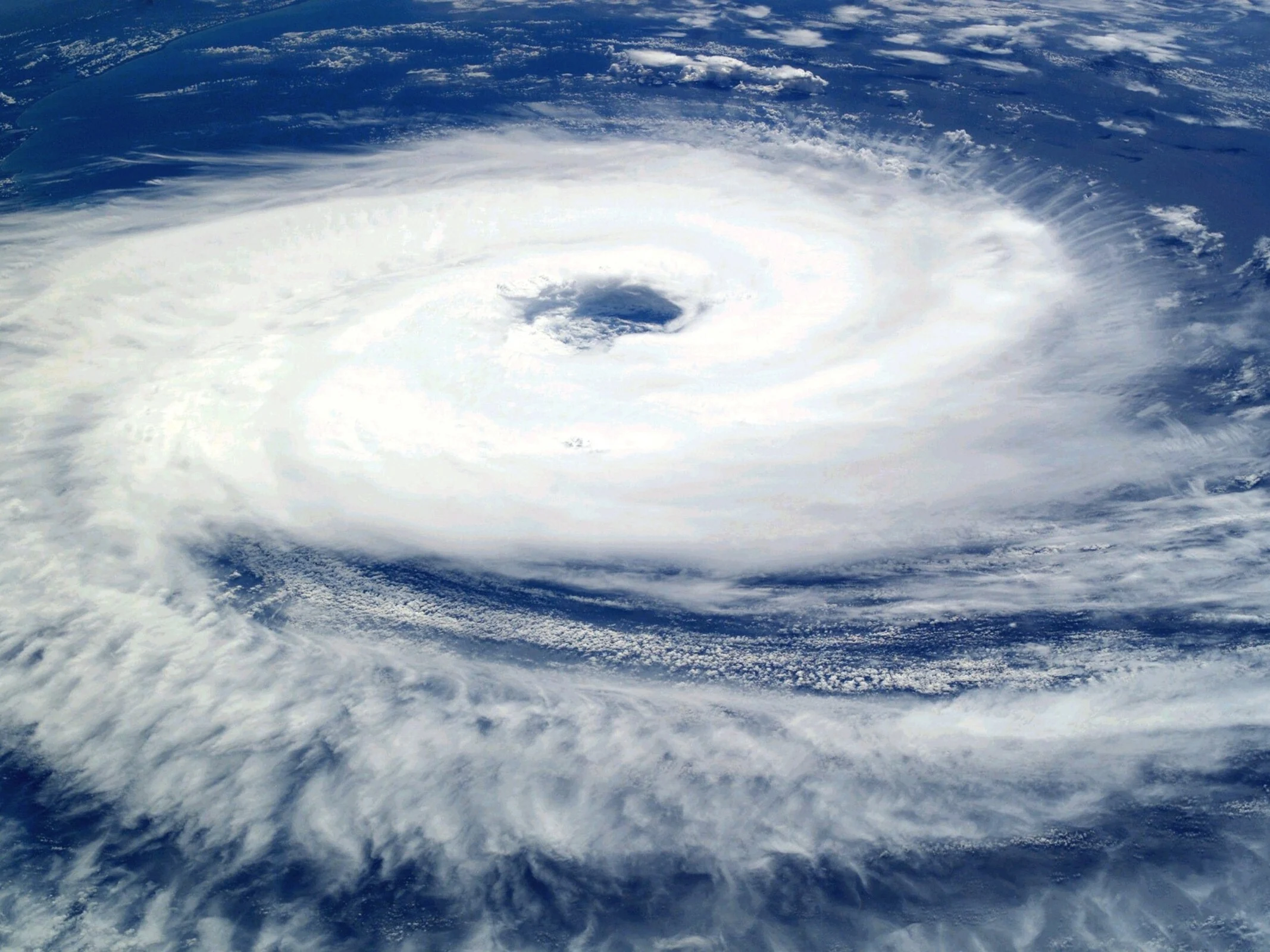
WeatherNext 2 goes beyond simply analyzing single data points; it also captures the intricate interactions between temperature, pressure, humidity, and wind patterns. Its developers say this capability enables the system to more accurately identify severe weather events like hurricanes and predict their trajectories up to three days ahead. It is also capable of detecting heatwaves sooner. However, Google points out that forecasts related to rain and snow might still be less accurate due to gaps in training data in those areas.
Integration Across Google Services
WeatherNext 2 has already been incorporated into various Google services, including Google Search, the Pixel Weather app, and the Google Maps Platform via its Weather API. The improved forecasts will soon be integrated directly into Google Maps. Developers and researchers can access the model through Google Earth Engine, BigQuery, and an early access program available on Vertex AI.
Source:
Link