

Tag: Voice Control

  • Luna Band: Soon-to-launch Whoop alternative (no subscription)

    Luna Band: Soon-to-launch Whoop alternative (no subscription)

    Key Takeaway

    – No subscription required; Luna Band will be sold with upfront purchase rather than ongoing fees.
    – Rich feature set for a wristband: vibration motor, microphone for voice commands, heart rate, SpO2, 6-axis motion sensor, and long battery life (about 10 days).
    – Voice-driven interactions and integration: workouts can be started by voice; commands processed via Siri or Google Gemini; LifeOS enables third-party platform integration.
    – Limited on-device feedback: no built-in speaker; responses shown on the phone or via connected headphones.
    – Pre-orders begin July 4; delivery starts July 31; price not yet announced.


    Introduction to Luna Band

    Luna Band was originally announced at CES in January. The manufacturer has finally confirmed details of the launch schedule. Accordingly, pre-orders will open on July 4 and delivery is expected to begin on July 31. Luna plans to reveal more information about the functionality by then.

    Pricing and Subscriptions

    While no details on the price are yet known, Luna has already confirmed that no subscription is required to use the wristband – clearly differentiating Luna Band from the market leader Whoop. Compared to competitors such as the new Google Fitbit Air ($99 on Amazon), the Luna Band is said to offer a much wider range of functions, as the wristband has both a vibration motor and microphones.

    Features and Capabilities

    This makes it possible to use haptic feedback to notify users of predefined events, such as an appointment in the calendar or the achievement of a fitness goal. The microphone allows Luna Band to recognize voice commands, which can be processed either via Apple Siri or Google Gemini. However, due to the lack of a speaker, responses can only be seen on the smartphone display or heard via connected headphones.

    Voice Commands and LifeOS

    It is also possible to start workouts by voice command. LifeOS is designed to enable the integration of Luna into third-party platforms. Luna Band achieves a battery life of ten days. The sensors are largely the same as those of the competition, as the Luna Band also offers a heart rate and SpO2 sensor as well as a 6-axis motion sensor, allowing steps, activity and sleep to be tracked.


    Sources

  • Philips Hue and Sonos Voice Control Integration Coming Soon

    Philips Hue and Sonos Voice Control Integration Coming Soon

    Key Takeaways

    1. Sonos is developing voice command functionality for Philips Hue smart home devices.
    2. This feature will allow users to control smart lights and modify brightness using voice commands.
    3. The exact functionality and activation method of this feature remain unclear until officially confirmed by Sonos.
    4. Sonos users can currently manage Philips Hue devices using Amazon Alexa or Google Assistant, but there are performance issues with these integrations.
    5. The anticipated launch of Sonos Voice Control for Philips Hue is expected before the end of 2025, but no specific date has been announced.


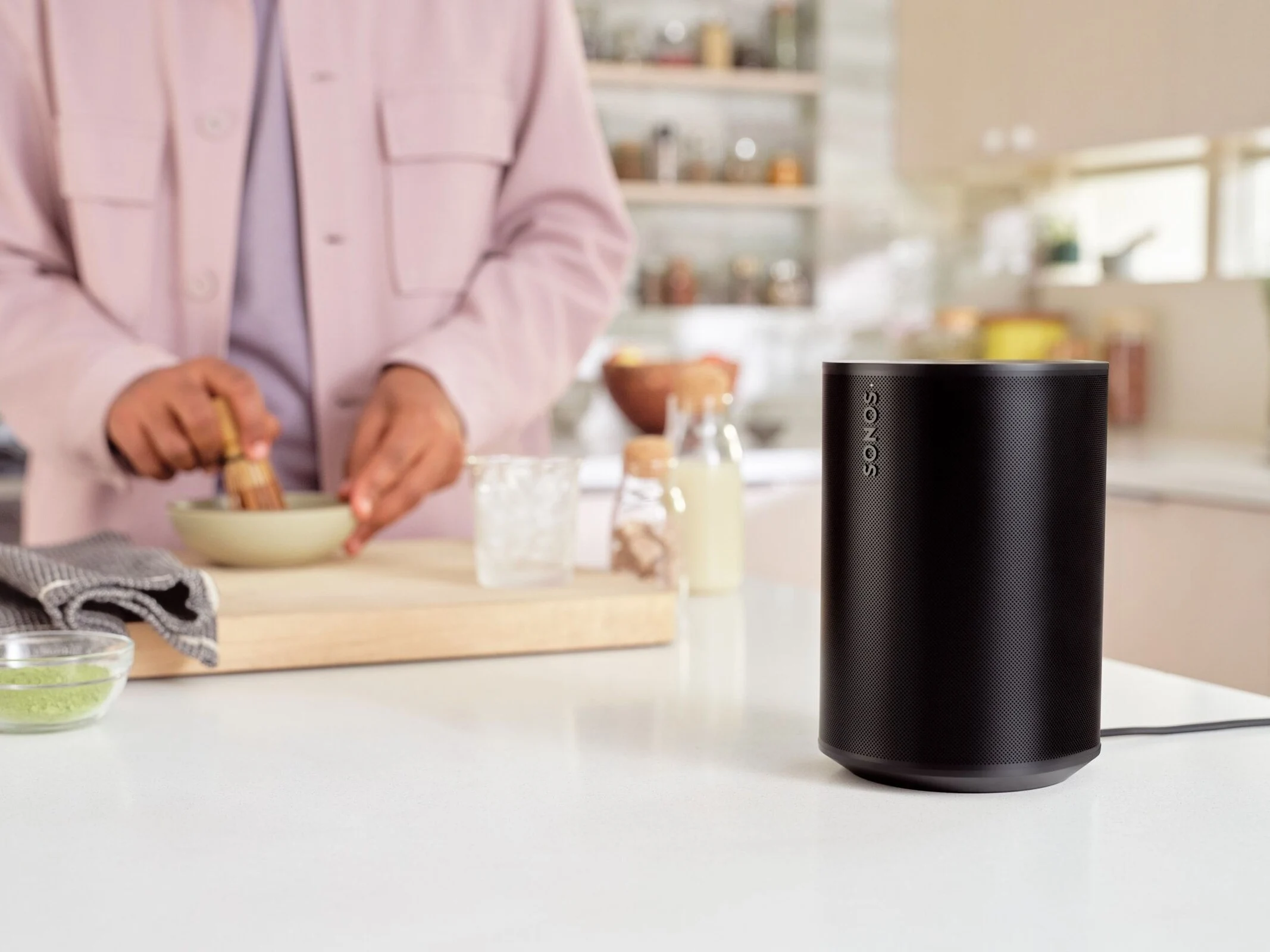
    Sonos is apparently developing a new voice command functionality for Philips Hue smart home devices. This would mark a first for the company; while Sonos’ Voice Control already lets users ask for music from various streaming platforms or change the volume, it doesn’t yet allow control of smart home gadgets.

    Unclear Features Ahead

    Sonos hasn’t officially verified that Voice Control will work with Philips Hue products. Therefore, it’s uncertain how this feature will exactly function. Users will likely activate the assistant in the same manner as before, beginning commands with “Hey Sonos…”. Reports from Hueblog.com suggest that Philips Hue users could leverage this feature to turn smart lights on and off, as well as modify their brightness. There may also be an ability to initiate smart lighting scenes using voice commands.

    Existing Alternatives

    It’s important to mention that Sonos users can already manage Philips Hue devices via their speakers when using Amazon Alexa or Google Assistant. However, there have been longstanding problems with these integrations, which could affect performance.

    The introduction of Sonos Voice Control for Philips Hue is anticipated to happen before 2025 concludes. Nevertheless, a specific launch date has yet to be announced. Sonos Voice Control is currently available on several of the brand’s devices, including the Era 100 speaker (curr. $179 at Amazon).

    Source:
    Link


  • Xiaomi Launches Global S20 Robot Vacuum with Powerful Features

    Xiaomi Launches Global S20 Robot Vacuum with Powerful Features

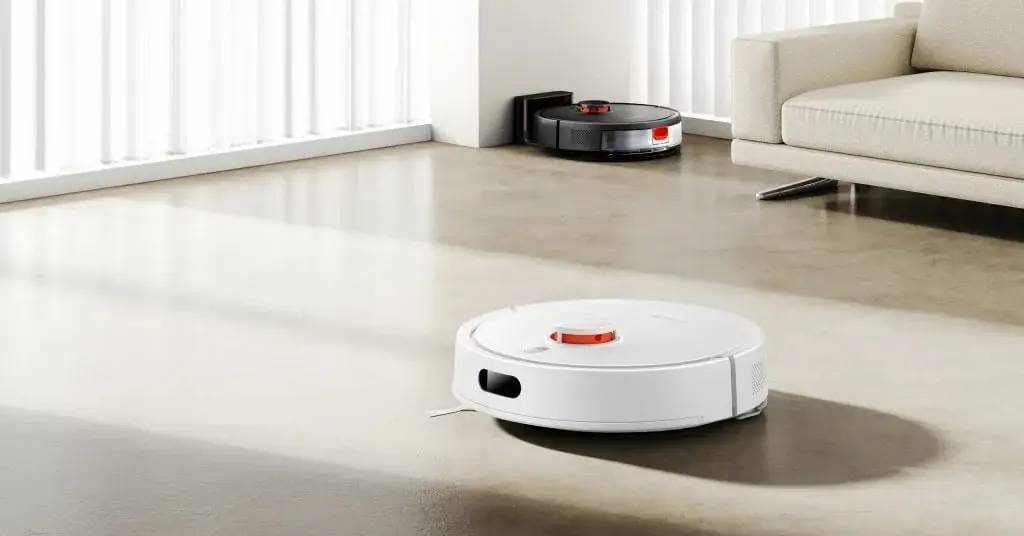
    Xiaomi has unveiled the Robot Vacuum S20, the latest addition to its home cleaning device lineup, showcased on the company’s global website. Known for its robust suction and intelligent navigation, this model is designed to enhance home cleaning efficiency.

    The Robot Vacuum S20 offers up to 5,000Pa suction power, spread across three different power modes to accommodate various cleaning requirements. It includes a central roller brush for general cleaning and a smaller side brush specifically for cleaning edges and corners. Additionally, the vacuum boasts a 400 ml dustbin and a 270 ml water tank, reducing the need for frequent emptying and refilling.

    Advanced Navigation System

    For navigation, the S20 uses an LDS laser navigation system to accurately map cleaning areas and maneuver in organized zigzag or Y-shaped patterns. This system, combined with built-in sensors, allows the vacuum to avoid obstacles and navigate around common household items like furniture and shoes seamlessly.

    Remote Control and Voice Assistance

    Users can control the Xiaomi Robot Vacuum S20 via the Mi Home or Xiaomi Home app, which allows them to adjust cleaning settings, schedule sessions, and monitor the vacuum’s progress remotely. It also supports voice control through Amazon Alexa or Google Assistant, providing a hands-free convenience for operating the device.

    Despite its advanced features, the Robot Vacuum S20 maintains a compact size of 325 mm in width and is equipped with a 3,200 mAh battery. It automatically returns to its charging dock when it needs to recharge, ensuring it’s always prepared for the next cleaning task.

    Xiaomi has not yet revealed the specific launch date or pricing for the Robot Vacuum S20, but it is anticipated to be competitively priced, similar to its predecessors like the Xiaomi S10 and S10+.


    Xiaomi Launches Global S20 Robot Vacuum with Powerful Features