Key Takeaways
1. The Meizu 22 will likely be the last high-end smartphone featuring the Snapdragon 8 Elite chipset before the next version launches in September 2025.
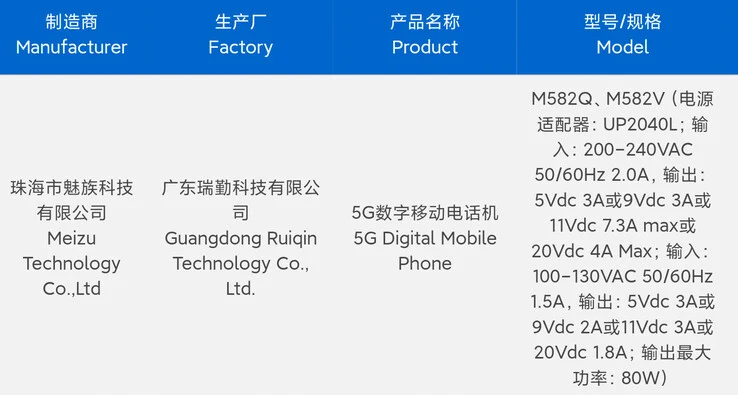
2. It has completed 3C testing and includes a variant with ultra-wide band (UWB) technology for enhanced connectivity.
3. Both models support 80W wired charging and are expected to have a battery capacity of around 5,500mAh.
4. The Meizu 22 is anticipated to have thin bezels and a flat LIPO display, along with a telephoto camera offering 3X optical zoom.
5. The phone’s specifications may be less impressive compared to competitors like the OnePlus 13, raising questions about its market competitiveness.
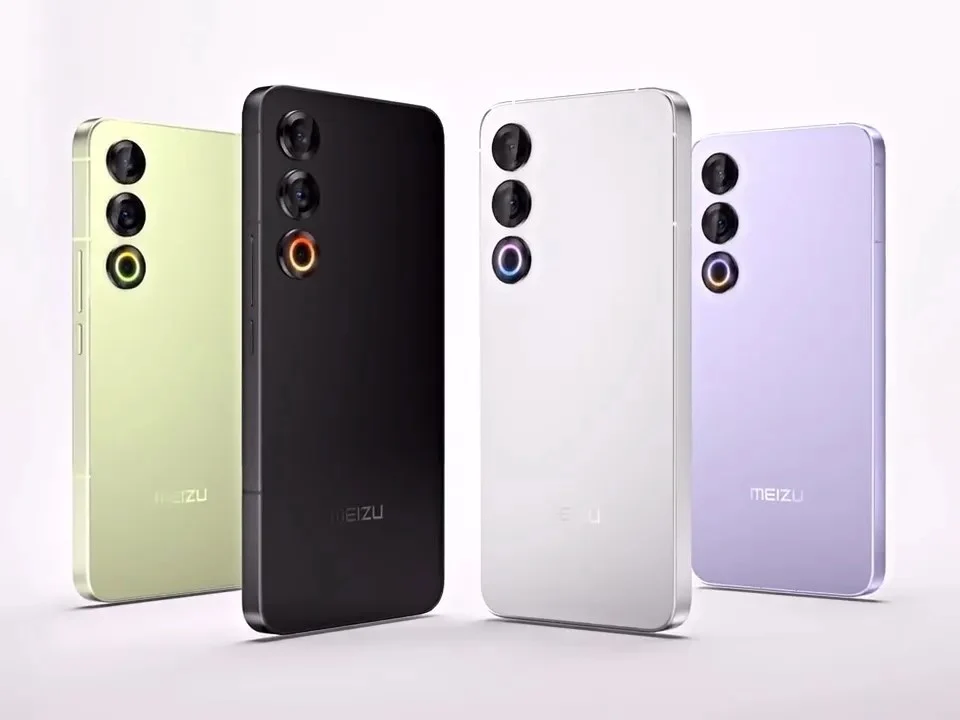
The Meizu 22 is likely going to be the final high-end smartphone to launch with the Snapdragon 8 Elite chipset, as the next version is expected to arrive in September 2025.
Recent Testing and Variants
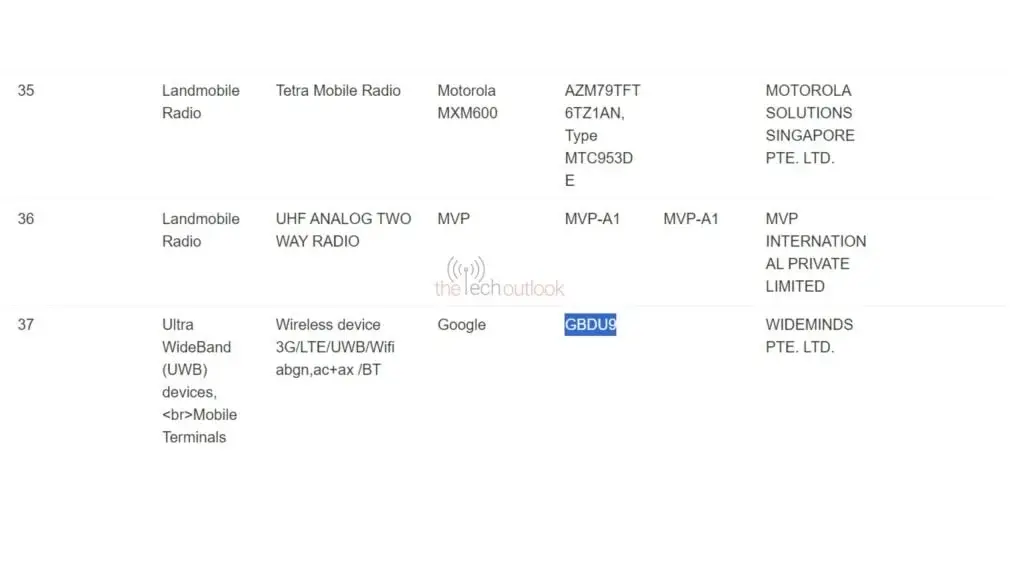
Reports indicate that the phone has successfully completed 3C testing under the name Meizu M852Q. There’s also a variant called M852V, which features ultra-wide band (UWB) technology. This allows it to connect like high-end iPhones do with their AirTags, and similarly for Samsung’s Galaxy S25-series with their Galaxy SmartTags.
Charging and Battery Specs
Both models of the Meizu 22 are said to support 80W wired charging for a battery that is estimated to be around 5,500mAh in capacity.
The specifications might seem a bit underwhelming, especially when you consider competitors like the OnePlus 13, which offers 100W charging and a 6,000mAh battery, currently available for $849.99 on Amazon. However, it’s rumored that the Meizu 22 will be more compact than the OnePlus 13.
Features and Future Prospects
The Meizu 22, including its “UWB Edition,” is anticipated to come out before the new smartphones powered by the Snapdragon 8 Elite 2, featuring incredibly thin bezels measuring just 1.2 millimeters on a flat LIPO display. Additionally, the phone is believed to have a rear telephoto camera with an f/2.4 aperture and a focal length of 72mm, providing an optical zoom that is equivalent to 3X.
Will these specifications be enough to stand out against the impending wave of next-gen Android flagships? Only time will reveal the answer.
Source:
Link