
Key Takeaways
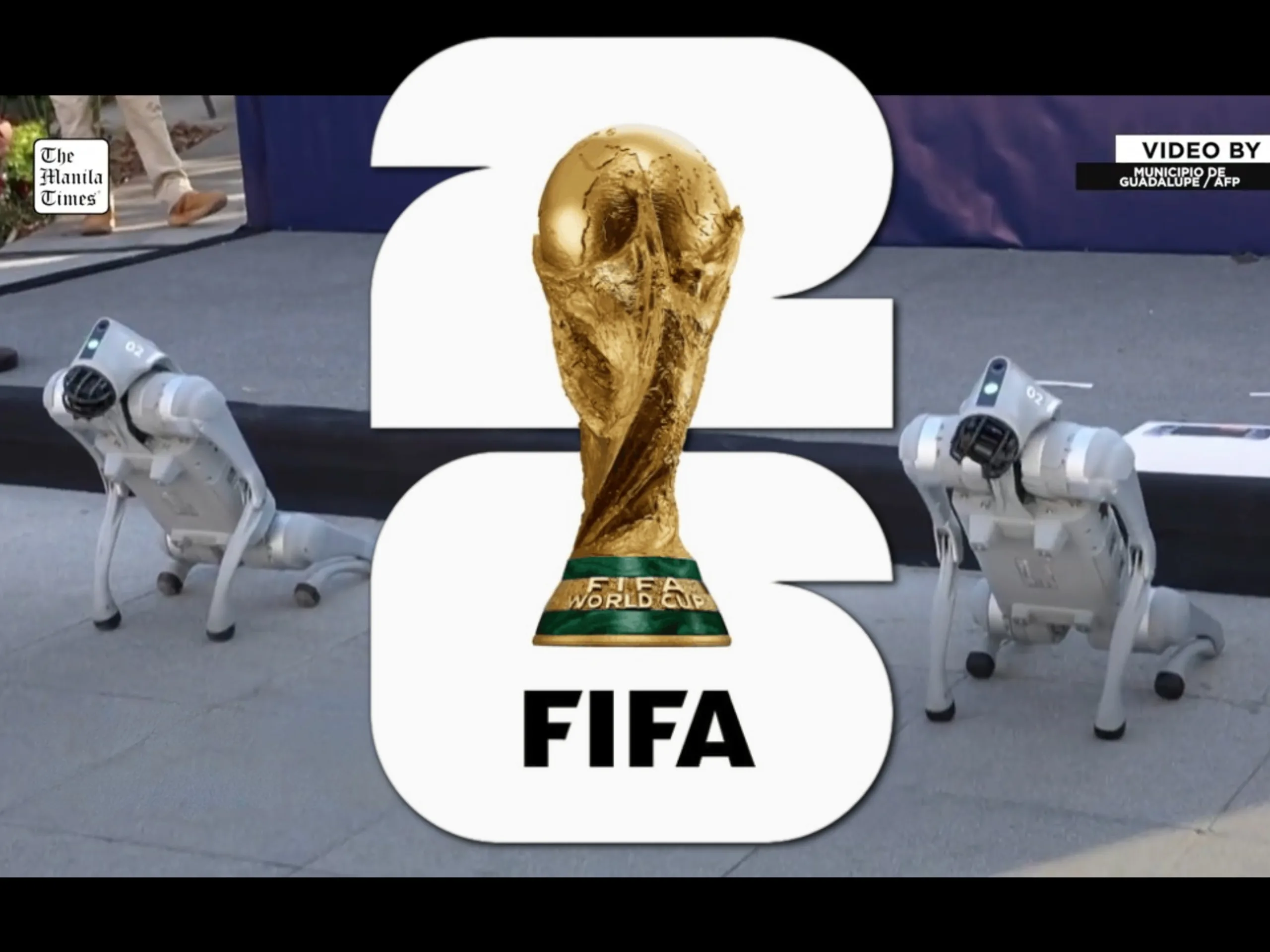
1. Four robotic dogs will assist Mexican law enforcement during the 2026 FIFA World Cup in Guadalupe, where BBVA Stadium will host matches.
2. The primary purpose of the robots is to enhance officer safety by scouting hazardous areas and providing live video feeds to emergency services.
3. The robots can interact with suspects using integrated speakers, allowing them to communicate during dangerous situations.
4. A demonstration showed the robots being used to locate an armed suspect in a controlled scenario, ensuring officer safety while managing the threat.
5. The robotic security system, likely from Unitree Robotics, is estimated to cost around 2.5 million Mexican pesos (approximately $140,000).
During the upcoming 2026 FIFA World Cup, which will occur between June 11 and July 19 across the United States, Canada, and Mexico, Mexican law enforcement will get a unique assist – four robotic dogs. These robots are planned to be used in Guadalupe, the location of BBVA Stadium, which will be officially renamed Estadio Monterrey for the event. This stadium is going to host four matches of the World Cup.
Robot Functions Explained
Héctor García mentioned that the primary goal of these robots is to ensure the safety of officers in the field. They are designed to scout hazardous areas before human personnel enter, and they can provide live video feeds to emergency services. Additionally, the robots can interact with suspects through their integrated speakers. García shared these features during a public demonstration of the robot dogs.
Demonstration Scenario
During the demonstration, a potential use case was showcased. The robots were deployed into an abandoned building with the mission of finding an armed suspect and persuading them to disarm. Officers were able to observe the situation from a safe location and could intervene to make an arrest after the threat was neutralized – at least in this controlled scenario.
Cost and Specifications
While the specific model of the robotic security system has not been revealed, it seems to be part of the Go2 series from the Chinese firm Unitree Robotics. The estimated expenditure for this technology is about 2.5 million Mexican pesos, which is around $140,000.
Source:
Link