
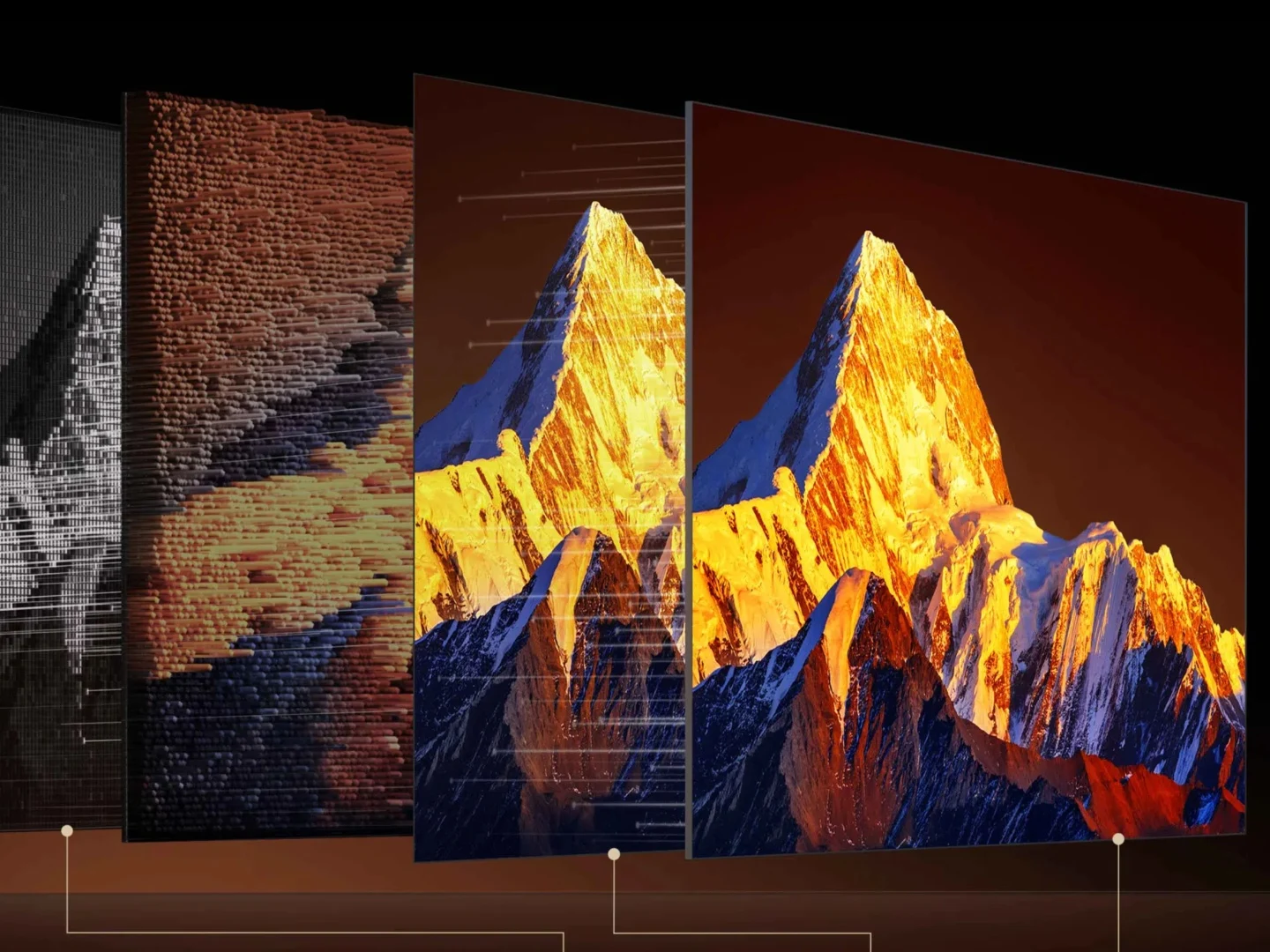
1. The TCL X11L SQD Mini-LED TV recorded over 10,000 nits peak brightness, surpassing its rated spec and setting a new record for consumer TVs.
2. It features 14,400 dimming zones, enabling extremely high contrast and very bright images suitable for HDR content.
3. The TV’s actual content viewing experience will differ from maximum brightness measurements, focusing more on contrast and brightness in real-world use.
World Record Brightness Achieved by TCL TV
Modern TVs are constantly getting more powerful and brighter, with many advertising support for HDR10, HDR10+, and Dolby Vision. Yet, most of these devices are not able to reach the claimed 10,000 nits peak brightness. But a recent TCL model has shattered these limits by surpassing this threshold, setting an unprecedented record for brightness.
Industry First and Technical Details
The famous TV reviewer Vincent Teoh, who runs the HDTVTest YouTube channel, comented on this technological milestone on his social media. He spoke about the TCL 85-inch X11L SQD Mini-LED TV, where SQD refers to Super Quantum Dots technology. The model was introduced during CES 2026 and became available shortly after. By using a Jeti Spectrodiometer, Vincent measured an incredible peak brightness of 10,931 nits, which is even higher than TCL’s own specified maximum of 10,000 nits.
Features and Specifications
- Large 85-inch Mini-LED display
- 14,400 dimming zones for precise control
- Peak brightness measured at 10,931 nits
- Rated power consumption nearing 155W for SDR content and up to 690W for HDR
Real World Usage and Controversies
Despite the impressive technical capabilities, it should be noted that in daily use, consumers won’t be shining full white screens at the maximum brightness. Typically, content viewing involves varied images with different color and brightness levels, so the TV’s performance in real life will differ from laboratory measurements. Nevertheless, for movies or gaming, the content will appear extremely vibrant with striking contrast, thanks to the high brightness and localized dimming zones. Some viewers expressed concerns regarding the safety of such intense brightness levels for retinal health, and comparisons with intense flashes were also shared amongst online communities.
Conclusion
This breakthrough in peak brightness marks a notable milestone in consumer TV technology. It demonstrates how advancements in mini-LED and quantum dot technology can push the limits of visual performance while raising questions about safety and practical use in everyday scenarios.