
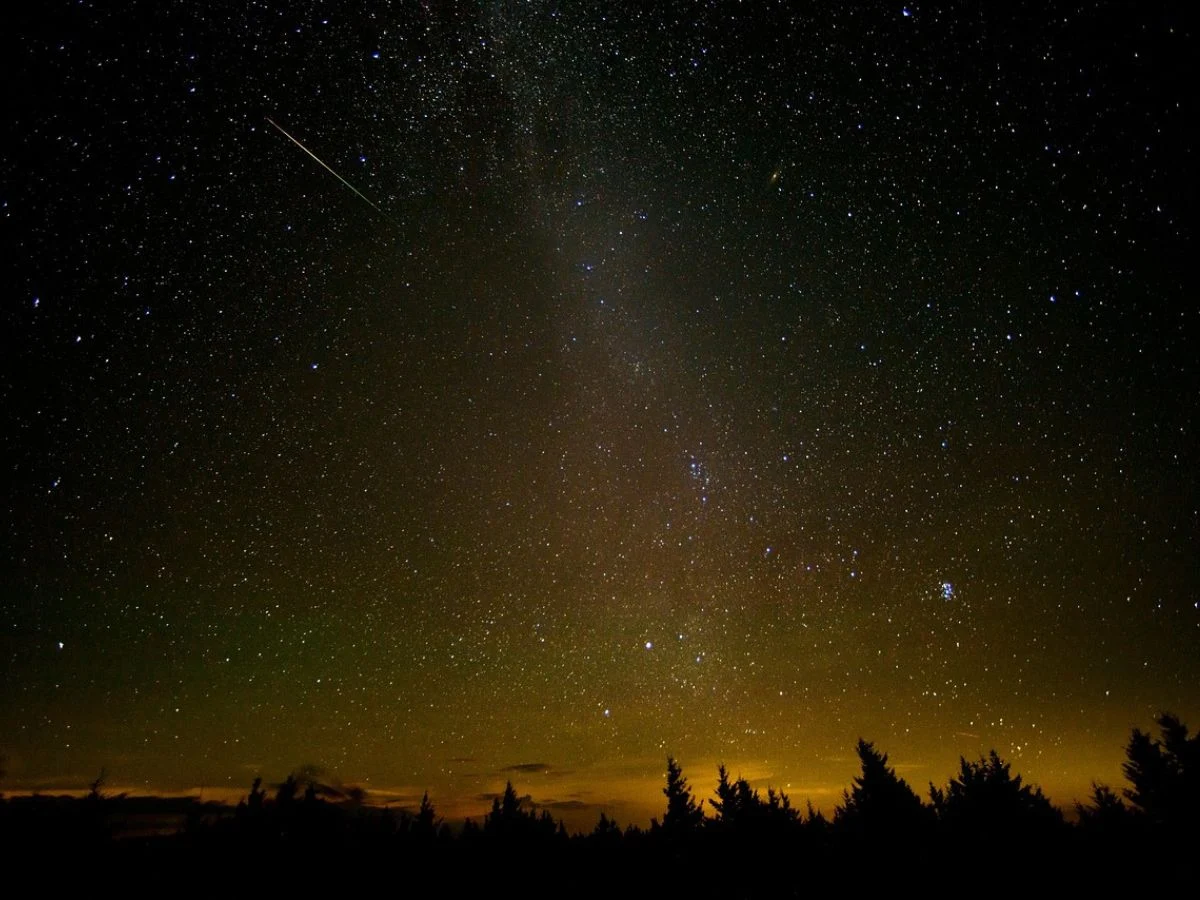
Key Takeaways
1. The Taurid Meteor Shower runs from October to December and originates from comet 2P/Encke.
2. Viewing conditions for the Taurids improve as the full moon’s brightness lessens.
3. The best time to watch the meteor shower is at the start of each night, focusing on the Taurus constellation.
4. Expect to see between 5 and 15 meteors per hour, with yellow and orange hues.
5. A notable past event involved a meteor impact on the Moon observed by astronomers Rob Suggs and Bill Cooke.
November brings some night sky surprises if you take a moment to gaze upward. After the Leonids, attention can shift to the Taurids, and this week offers great conditions for viewing this phenomenon.
The Taurid Meteor Shower
This meteor shower runs from October to December and originates from the comet 2P/Encke, which is believed to be the remnant of a large comet that broke apart around 30,000 years ago.
Lately, catching a glimpse of these meteors has been quite challenging. The bright light from the full moon has made it difficult to see anything in the night sky. Fortunately, in the days ahead, the moon’s brightness will lessen.
Best Viewing Times
Starting today, you can watch this meteor shower at the start of each night, until the moon rises. To maximize your chances, focus your gaze towards the Taurus constellation.
Even with favorable conditions, don’t expect the same level of activity as the Perseids. Similar to the Leonids, you might see between 5 and 15 meteors each hour. However, the meteors that do appear could put on a lovely display with their yellow and orange hues.
A Past Surprise
While the Taurids are often overlooked, they surprised two astronomers a few years back. Rob Suggs and Bill Cooke were observing the Moon when they witnessed a meteor impact on our planet’s natural satellite.
After conducting several studies, they found that the meteor was roughly 12.5 centimeters in size and traveling at about 101,400 km/h (around 63,007 mph), which created a crater of 3 meters in diameter near Mare Imbrium.
Source:
Link