
Tag: Super Mario Bros. Movie

  • Nintendo Turns to Films to Preserve Legacy, Says Mario Creator

    Nintendo Turns to Films to Preserve Legacy, Says Mario Creator

    Key Takeaways

    1. Nintendo is shifting its strategy to make films, moving away from its past hesitance after the failure of the 1993 Super Mario Bros. movie.
    2. The success of The Super Mario Bros. Movie in 2023, earning over $1.36 billion, has boosted Nintendo’s confidence in producing more films.
    3. A sequel to The Super Mario Bros. Movie is planned for April 3, 2026, along with a live-action film based on The Legend of Zelda for 2027.
    4. Miyamoto’s comments about the nature of games and films were initially misquoted, leading to discussions about the lasting impact of IPs.
    5. Miyamoto believes films can help keep beloved Nintendo IPs alive, as they are more permanent compared to video games that can become obsolete.


    In a fresh chat with Nintendo Dream Web, Shigeru Miyamoto, the mastermind behind Mario, Zelda, Donkey Kong, and Pikmin, shared his thoughts on Nintendo’s new interest in making films. This is a big change for the company, which had previously been hesitant to turn its famous franchises into movies.

    A Shift in Strategy

    This new direction comes after the poorly received 1993 Super Mario Bros. film featuring Bob Hoskins. Due to the backlash from fans and critics, Nintendo mostly steered clear of live-action films, save for a few anime projects like the Japan-only Animal Crossing movie and various Pokémon films released over the years.

    Recent Successes

    However, things have changed for the better recently. The Super Mario Bros. Movie, which hit theaters in 2023, has made over $1.36 billion globally, ranking it among the top-grossing animated films ever.

    Thanks to the triumph of The Super Mario Bros. Movie, Nintendo feels more confident moving forward with a sequel that is set to premiere on April 3, 2026. There’s also a live-action film based on The Legend of Zelda planned for 2027. Additionally, there are whispers about a possible Donkey Kong and Luigi’s Mansion movie in the works.

    Clarifying Misquotes

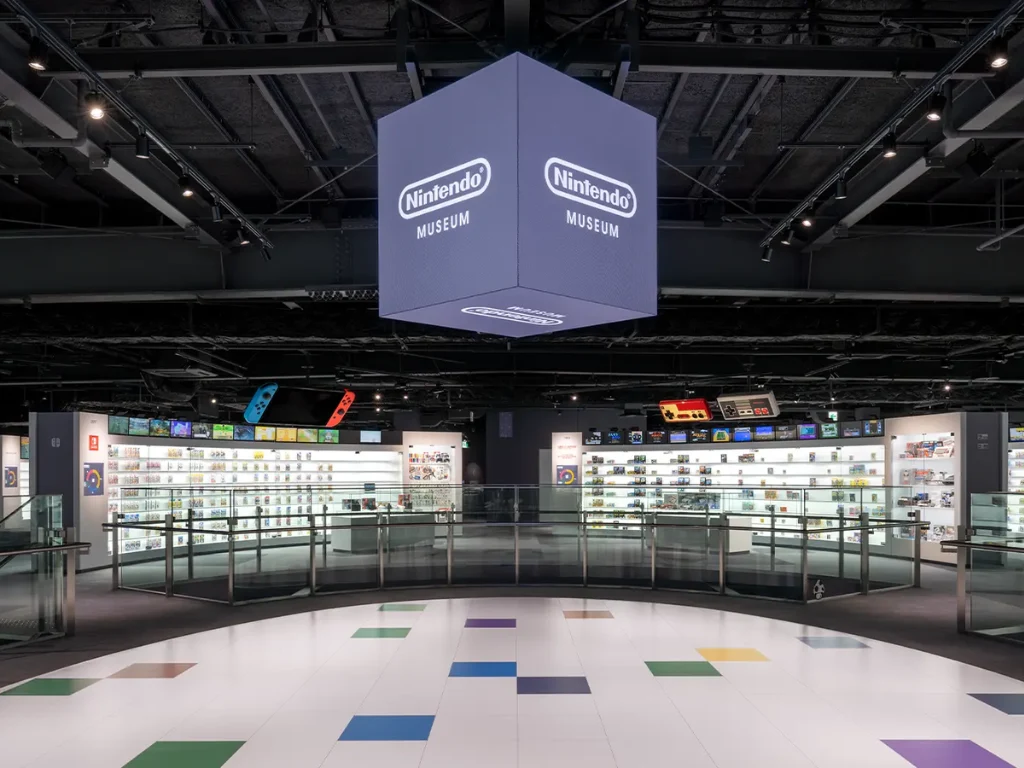
    Miyamoto’s remarks were initially misquoted by Kyodo News as saying, “Games eventually stop running when newer versions come out, but films remain forever,” which sparked discussions online. However, a user named Erasu on Bluesky clarified that this was two separate thoughts from Miyamoto’s interview regarding the newly opened Nintendo Museum in Kyoto, Japan.

    In his actual quotes, Miyamoto shared his view on the fleeting nature of video games, noting:

    “Ultimately, what people remember are the IPs. Games become obsolete when new versions come out. But that’s incredibly sad.” He added that this feeling of loss partly drove Nintendo’s move into video production, mentioning, “We started video production partly because of that sadness – seeing our creations become playable only on Virtual Console.”

    Miyamoto pointed out that while the idea of making games available in a museum like the Nintendo Museum has its challenges, films can serve as a way to keep beloved IPs alive.

    “There’s a limit to what you can do if you make them playable in a museum, but videos will remain forever. I always say that my theme is ‘creating reasons for people to choose Nintendo.’”

    Source:
    Link


  • Donkey Kong 64 Composer Claims Nintendo Didn’t Credit Him

    Donkey Kong 64 Composer Claims Nintendo Didn’t Credit Him

    Key Takeaways

    1. Grant Kirkhope, a veteran composer, is upset over not being credited for his work on the DK Rap in The Super Mario Bros. Movie and hasn’t watched the film fully due to his frustration.

    2. The DK Rap, originally a playful joke for Donkey Kong 64, was featured in The Super Mario Bros. Movie during Donkey Kong’s introduction.

    3. Kirkhope reached out to Nintendo regarding the lack of credit and learned of their “arbitrary” policy that excludes composers of music from Nintendo-owned games from receiving recognition, except for Koji Kondo.

    4. The upcoming Nintendo Switch 2 game, Donkey Kong Bananza, also included the DK Rap (renamed “Getaway”) without crediting Kirkhope, furthering his disappointment.

    5. Many fans support Kirkhope, expressing their frustration over Nintendo’s treatment of him and the lack of recognition for his contributions.


    Veteran video game composer Grant Kirkhope, known for his work on Nintendo 64 classics like GoldenEye 007, Banjo-Kazooie (1998), and Donkey Kong 64 (1999), remains very upset over not being credited for his contribution to The Super Mario Bros. Movie. Nearly two years after its release, he still hasn’t watched the whole film.

    The DK Rap and Its Journey

    Kirkhope is the mind behind the well-known DK Rap track that opened Donkey Kong 64, performed by Rare designer George Andreas. The track was initially created as a playful joke but ended up being featured in the Super Mario Bros. Movie during Donkey Kong’s introduction.

    In a frank discussion with Push to Talk, he shared, “I tell you what, I still haven’t watched the movie yet. I’ve seen that bit with the rap. But I was so pissed, I haven’t watched it.” In 2023, when the film was released, Kirkhope expressed on X, “still haven’t seen the Mario movie …. can’t bring myself to watch it.”

    Frustrations and Connections

    During this time, Kirkhope gained attention on social media for expressing his dissatisfaction. He decided to reach out to a recent professional contact at Nintendo, who he worked with when arranging Banjo-Kazooie music for Super Smash Bros. Ultimate in 2019. His contact received a reply from Nintendo’s legal team, which referenced an “arbitrary” three-rule policy for credits.

    The policy states that composers of music from Nintendo-owned games would not be recognized, except for the iconic Mario series composer, Koji Kondo. Kirkhope further explained, “They said we decided that any music that was quoted from the games we owned, we wouldn’t credit the composers – apart from Koji Kondo.”

    More Issues with Donkey Kong Bananza

    In a similar vein, the Nintendo Switch 2’s first-party title, Donkey Kong Bananza, also featured DK Rap in its soundtrack, but it was renamed to “Getaway.” Kirkhope was again taken aback that he was not notified about DK Rap’s appearance and, like the situation with the Super Mario Movie, he was not credited for its inclusion in the Switch 2 game.

    Source:
    Link