Key Takeaways
1. Quantic Dream has entered the competitive multiplayer market with the release of Spellcasters Chronicles, focusing on a unique 3v3 “mage commander” setup instead of traditional MOBA elements.
2. The game’s initial reception on SteamDB has been underwhelming, with only 888 peak concurrent players and mixed reviews from the first 162 players.
3. Spellcasters Chronicles features a deckbuilding system with over 50 spells and summons, placing emphasis on “lane logistics” rather than mechanical skill.
4. The game has faced criticism for its perceived passive combat and lacks impactful spell-casting, while also having high hardware requirements and stability issues.
5. Quantic Dream plans to introduce features like voice chat, a new Technomancer class, and improved ranked modes within the next six months of early access.
Following several years focused on narrative-based single-player experiences, Quantic Dream has officially entered the competitive multiplayer arena with the early access release of Spellcasters Chronicles on February 26, 2026. This title strays from the traditional MOBA model by eliminating automated creep waves and individual hero levels, opting instead for a unique 3v3 “mage commander” setup.
Initial Reception and Metrics
The early performance figures on SteamDB are rather underwhelming; the game managed to hit a peak of 888 concurrent players during its first 24 hours. While Quantic Dream’s expertise in visual artistry is apparent from the game’s design and arena layout, the shift in gameplay mechanics has sparked mixed reactions, particularly among the initial group of 162 reviewers.
Gameplay Mechanics and Design Choices
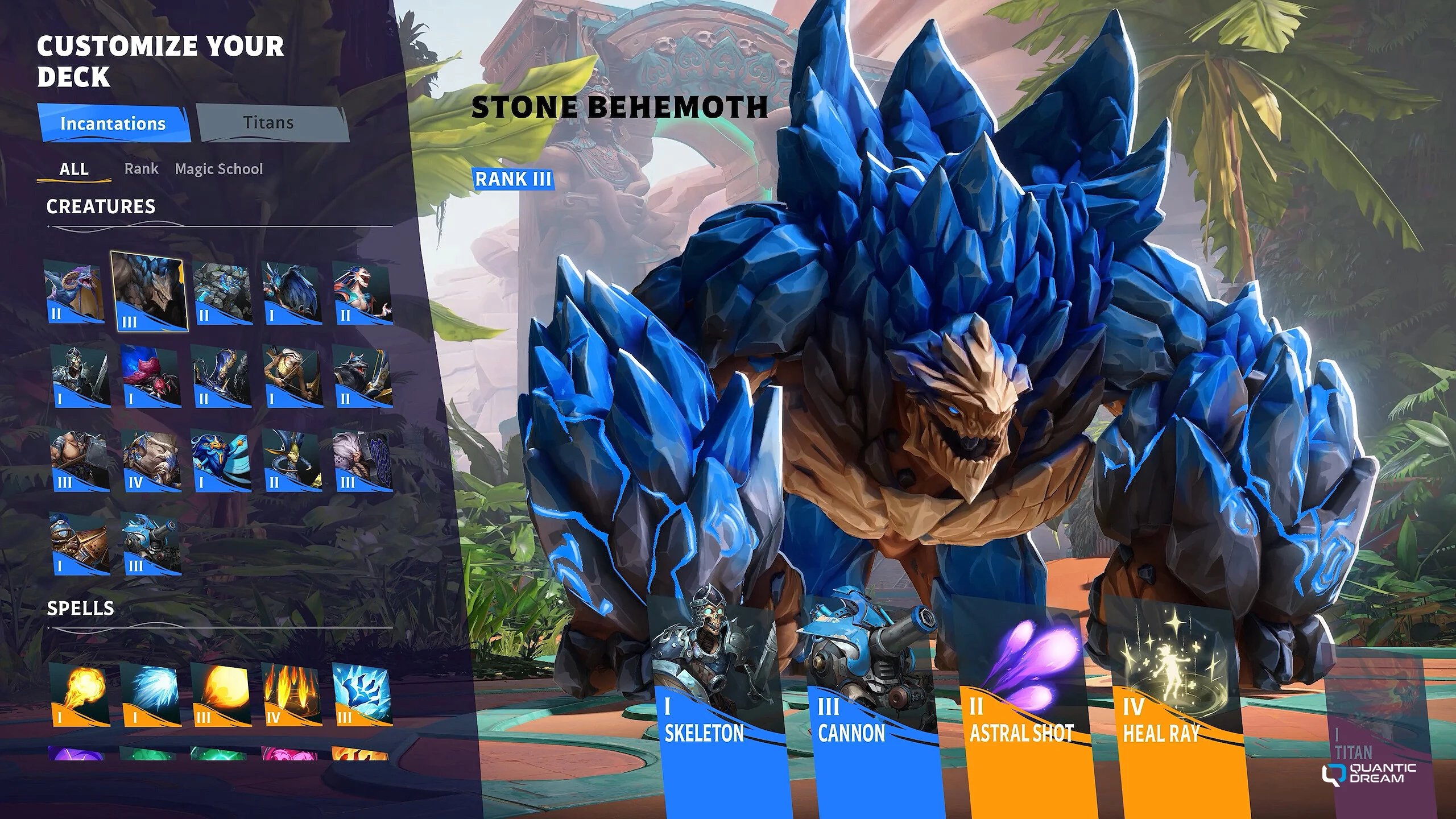
Spellcasters Chronicles features a deckbuilding system where players can choose from more than 50 spells and summons prior to a match. Unlike well-known titles such as League of Legends or Dota 2, this game focuses on “lane logistics” instead of emphasizing mechanical “outplay” strategies. Since structures are very resistant to player damage, winning largely hinges on effectively guiding summoned units and deploying “Titans,” which are massive entities that serve as the main objectives throughout matches.
Community Feedback and Technical Requirements
This design approach is easier for newcomers to grasp, but it has faced significant criticism for being perceived as “passive” during combat. Many initial reviews indicate that while the third-person flight mechanics offer unmatched mobility, the actual spell-casting lacks the “weight” and impact that usually characterize its competitors.
Additionally, the game has high demands for PC hardware, requiring 16 GB of RAM and an RTX 3070 for optimal performance. The launch has also been plagued by serious stability problems; community forums and “Mixed” reviews point out frequent crashes and the absence of a reconnect feature, which can be especially frustrating for players. Furthermore, there are no communication tools available, lacking even a basic text chat option.
Future Plans and Roadmap
Alongside the launch of Spellcasters Chronicles, Quantic Dream has shared a roadmap for 2026—promising features like voice chat, a new Technomancer class, and revamped ranked modes over the next six months of early access. However, the current version still needs substantial polishing. For more information, you can check out the game here.
Source:
Link