
Key Takeaways
1. Oura has filed lawsuits against Samsung, Zepp Health, Reebok, and Nexxbase Marketing, claiming they violated Oura’s patents in the smart ring market.
2. The legal actions focus on patents related to the design and placement of electronic components within smart rings.
3. Oura aims to pressure competitors into licensing agreements for royalties, which has already been accepted by some companies.
4. Rival brands argue that the layout of components in smart rings is essential and nearly unavoidable, raising concerns about innovation and patent rights.
5. Samsung has previously challenged Oura’s patent claims, and it remains uncertain whether they will attempt to invalidate Oura’s patents instead of paying licensing fees.
Oura has taken legal action against four new competitors in the smart ring market, which includes Samsung, alleging they have unlawfully imported and sold products that violate several of Oura’s patents. In a blog post, the company states that its lawsuits against Zepp Health, Reebok, and Nexxbase Marketing are based on the same patents that Oura successfully used in a U.S. International Trade Commission case against Ultrahuman and Ringconn, which resulted in sales bans of their products.
Legal Actions Against Rivals
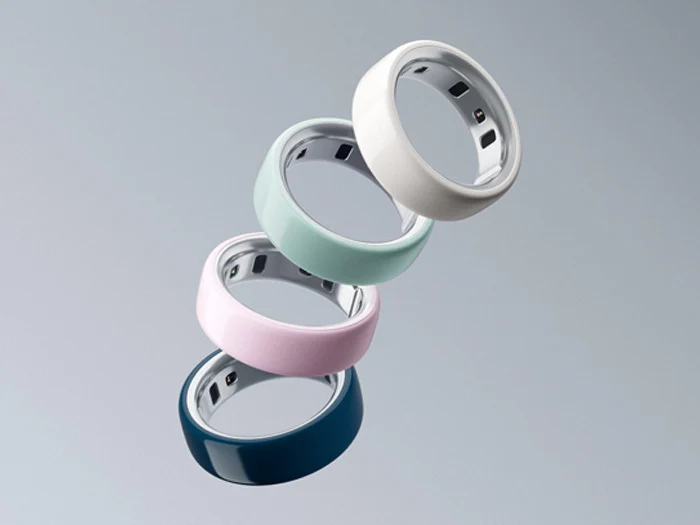
In addition, Oura filed another lawsuit against Samsung in the U.S. District Court last month, aiming to safeguard its interests after what it describes as unwarranted attacks on its patent rights. The main issue revolves around Oura’s patents related to the placement of electronic components, like batteries, flexible printed circuit boards, and sensors, between the inner and outer layers of a smart ring.
Competing Views on Innovation
Rival brands argue that this specific layout is nearly unavoidable, as curved components are essential for keeping a smart ring slim. Oura insists that while advancements are critical for the industry, competitors should maintain originality and honor intellectual property rights. The company employs these ITC lawsuits as a means to pressure competitors into entering licensing agreements, which would involve them paying royalties to keep selling their products in the U.S.
Circular, Ringconn, and OMATE have already accepted these terms, and Oura believes that a royalty-based license is the best way for Samsung, Zepp, Reebok, and Noise to offer compliant products. In contrast, Ultrahuman has rejected the licensing terms and is currently appealing a cease-and-desist order against its U.S. sales. Samsung had countersued Oura last year, arguing that Oura’s frequent patent claims posed a significant threat to its business. However, a U.S. federal judge dismissed that lawsuit in early 2025, stating that Oura had not made direct threats toward Samsung, but this latest legal action seems to confirm Samsung’s worries regarding Oura’s intentions.
Broader Implications for Smart Ring Market
Samsung has previously expressed that Oura’s patents are excessively broad, claiming them as ownership of features commonly found in nearly all smart rings, including sensors and electronics. It remains uncertain whether Samsung will seek to invalidate these patents completely instead of paying the fees that smaller companies like Zepp Health and Reebok might have to accept to avoid a sales ban.
Source:
Link