
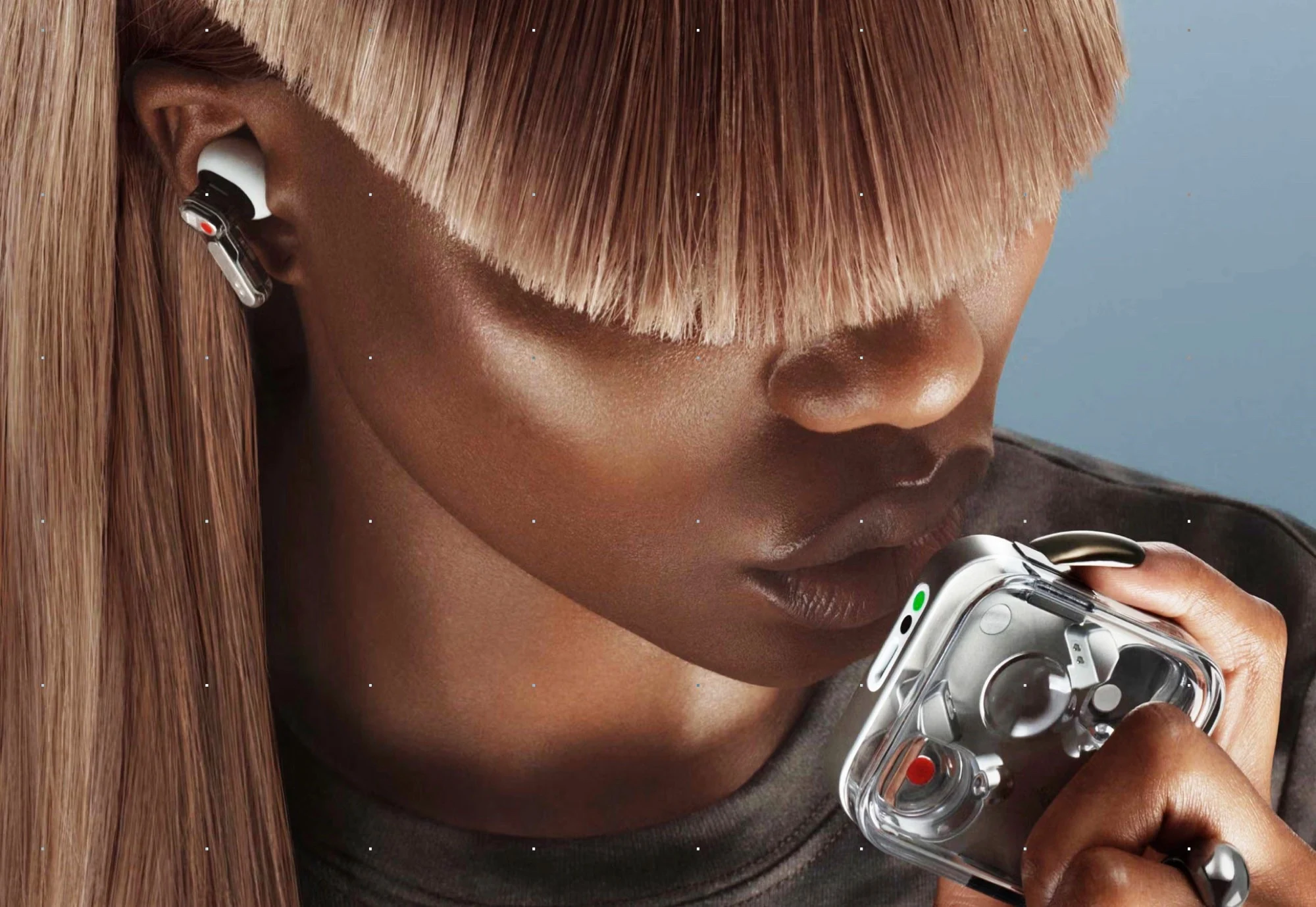
1. Nothing is developing AI glasses with cameras, microphones, and speakers, relying on smartphone and internet connection for AI processing.
2. The glasses are designed with a transparent housing and LED lighting, emphasizing fashion and style.
3. They are expected to launch in early 2027, around the same time as Apple’s first smart glasses, both without integrated displays and relying on voice interactions.
4. Integrated cameras will enable photo/video recording and AI-powered object recognition, offering features beyond typical earphones and smartwatches.
Experts claim that the tech giant Nothing is now working on a pair of smart AI glasses that come with cameras, microphones, and speakers. These clever gadgets are said to feature various AI functionalities, but they need to be linked to a smartphone and the internet to work properly because the processing occurs on a server, not on the glasses themselves.
Smart Glasses in Market
Smart glasses with customized AI features aren’t exactly new anymore, especially with the success of the Meta Ray-Ban Gen 2. But Nothing plans to stand out by designing their glasses with an eye-catching, distinctive look. Like the Nothing Phone (4a) Pro, which costs around $499, these glasses are described as having a see-through body with LED lights — making them more than just tech, but also a fashionable accessory. They are expected to arrive sometime early 2027.
Competition and Features
It appears that Nothing’s smart glasses will launch close to Apple’s first smart eyewear. Interestingly, both are said to avoid having a built-in display, so users will mainly rely on voice commands to operate them. This setup is similar to using wireless earbuds with AI features. However, thanks to the embedded cameras, these glasses could take photos, record videos, and use AI to identify objects and answer questions about the real world — options that are typically missing from most wearable devices like earbuds or smartwatches.