

Tag: Security Vulnerability

  • Samsung Galaxy S22 Ultra Becoming Unusable Due to Cyber Attacks

    Samsung Galaxy S22 Ultra Becoming Unusable Due to Cyber Attacks

    Key Takeaway

    1. The Galaxy S22 Ultra is experiencing serious security vulnerabilities allowing potential attackers to disable the device and access sensitive data.
    2. The issue involves a fake or malicious use of Knox Mobile Enrollment (KME), falsely indicating management from a non-existent company.
    3. Samsung has not issued an official response, and affected users should cease using their devices and contact support for assistance.

    Serious security issues with Samsung Galaxy S22 Ultra

    The Galaxy S22 Ultra, which is also a four-year-old device, is currently experiencing a huge problem, and its security vulnerabilities makes it pretty alarming for the people who own it. Many users have reported on Reddit and Samsung community forums that their phones are becoming unusable after certain actions. What’s strange about this problem is that it seems to affect private users, even though the device is supposed to be managed by a company or enterprise solution.

    The factory reset fiasco

    When a Galaxy S22 Ultra is factory reset and the setup begins anew, users are noticing a message that says something like, “This Galaxy S22 Ultra isn’t private.” Along with that, it claims that the device is managed by a company, and all data on the phone can be accessed by an administrator. This is linked to a feature called Knox Mobile Enrollment—designed to let companies manage many phones easily. But in this case, some officials think malicious attackers are exploiting this feature’s weakness to take control of the device.

    The mysterious “Numero LLC” and its implications

    Adding to the confusion, the affected phones seem to originate from private owners, but the device shows signs of being associated with a shady company called “Numero LLC,” which apparently doesn’t even exist. In several cases, users couldn’t set up their phones at all, while others found they could still use the device but with serious security risks. This is dangerous because hackers could potentially access private information. Support agents from Samsung have reportedly failed to help, even when users can prove their ownership was for personal reasons.

    Support and advice for impacted users

    • There hasn’t been an official statement from Samsung about this problem yet.
    • People impacted should get in touch with Samsung support, but recovery options are limited, and help might not be guaranteed.
    • Until clear solutions are offered, it’s strongly recommended to stop using these affected phones to protect your data.
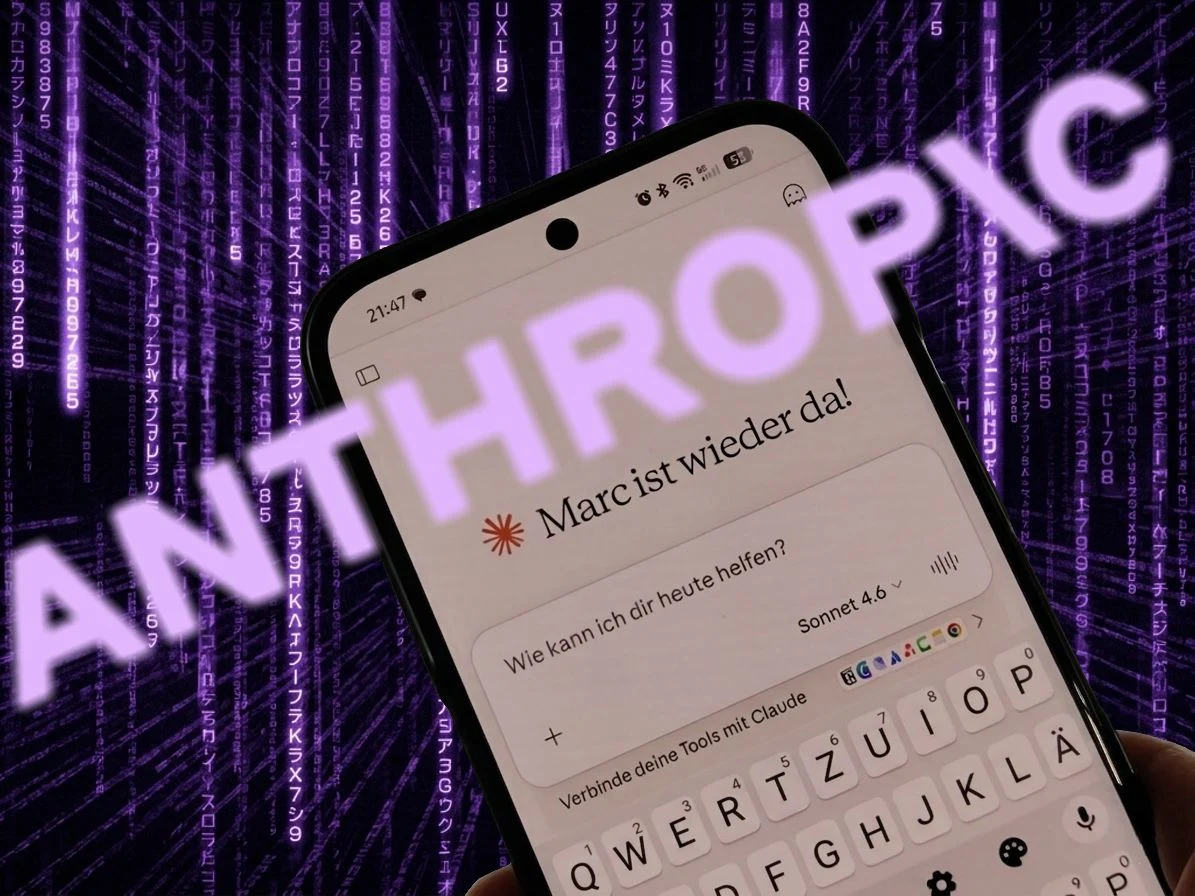
  • Claude Code Leak Discovered: First Vulnerability Found by Researchers

    Claude Code Leak Discovered: First Vulnerability Found by Researchers

    Key Takeaway

    1. A source code leak of Anthropic’s Claude Code revealed a critical security flaw allowing attackers to bypass permission rules through long command chains, risking data exfiltration.
    2. The vulnerability exploits the system’s limit of analyzing only 50 subcommands in complex chains, enabling malicious prompt injections once the limit is exceeded.
    3. Despite a fix in the leaked version 2.1.88, the publicly available code continued using an outdated parser, leaving the security flaw unaddressed in released versions until later updates.
    4. The flaw could enable attackers to extract sensitive information such as SSH keys or cloud credentials by manipulating the AI to execute lengthy command sequences that bypass deny rules.

    Recent Accidental Code Leak and Its Implications

    On March 31, Anthropic, the creators of Claude AI, mishandled their source code by unintentionally making a significant part of the underlying code accessible online. This leak happened when a source map file, which translates compiled code back to a human-readable form, was mistakenly published on npm, a popular JavaScript package manager. The leak revealed approximately 512,000 lines of TypeScript code, providing detailed insights into how the AI assistant operates. Despite no model weights or sensitive customer data being exposed, the blueprint nature of this leak has posed serious security concerns. It has opened doors for malicious actors to analyze vulnerabilities or replicate the tool for harmful purposes such as malware delivery.

    Security Flaw Discovered in Claude Code’s Permission System

    Claude Code is an AI-based terminal assistant capable of executing commands and editing files directly from the command line. To fight misuse, it employs a permission system where users can set deny rules blocking specific commands like “curl,” used for network data transfer, while allowing others like “git.” However, security researchers at Adversa AI uncovered a critical flaw. The vulnerability centers around how the system handles complex command chains, especially in scenarios where a chain exceeds 50 subcommands. To prevent slowdowns or interface freezes, Anthropic’s code skips detailed security checks beyond this limit, instead prompting users with a general confirmation. This behavior could be exploited by attackers through prompt injection techniques to bypass security checks altogether.

    Prompt Injection Attack Scenarios and Data Risks

    • The attack involves placing a specially crafted file named “CLAUDE.md” in a public code repository. This file contains commands or instructions designed to manipulate the AI’s responses.
    • When a developer clones the repository and prompts Claude Code to analyze or review the project, the AI might execute a lengthy chain of commands exceeding the 50-command threshold. Since detailed checks are skipped past this limit, the system becomes vulnerable.
    • In this way, an attacker can sneak in commands that retrieve sensitive data, such as SSH keys, cryptographic credentials used for secure connections, or cloud computing credentials stored on developer machines.
    • Crucially, because the system only asks for a simple confirmation at the end of the command chain, it fails to recognize that security policies are sidestepped. This allows attackers to secretly exfiltrate data without raising suspicions.

    Existing Fixes and the Discrepancy in Implementation

    Interestingly, the leaked version 2.1.88 of Claude Code included a fix for this problem. The developers had introduced a more sophisticated parser designed to be aware of deny rules regardless of how long a command chain is. Unfortunately, this improvement was not incorporated into the publicly available versions, which continued to use an older, flawed security mechanism. It wasn’t until version 2.1.90 that Anthropic addressed the issue officially, fixing the fallback deny-rule degradation described as “parse-fail fallback deny-rule degradation” in the changelog. Despite this, security researchers suggest that other attack methods might still exist, emphasizing that it’s a partially mitigated issue rather than a fully resolved one.