Key Takeaways
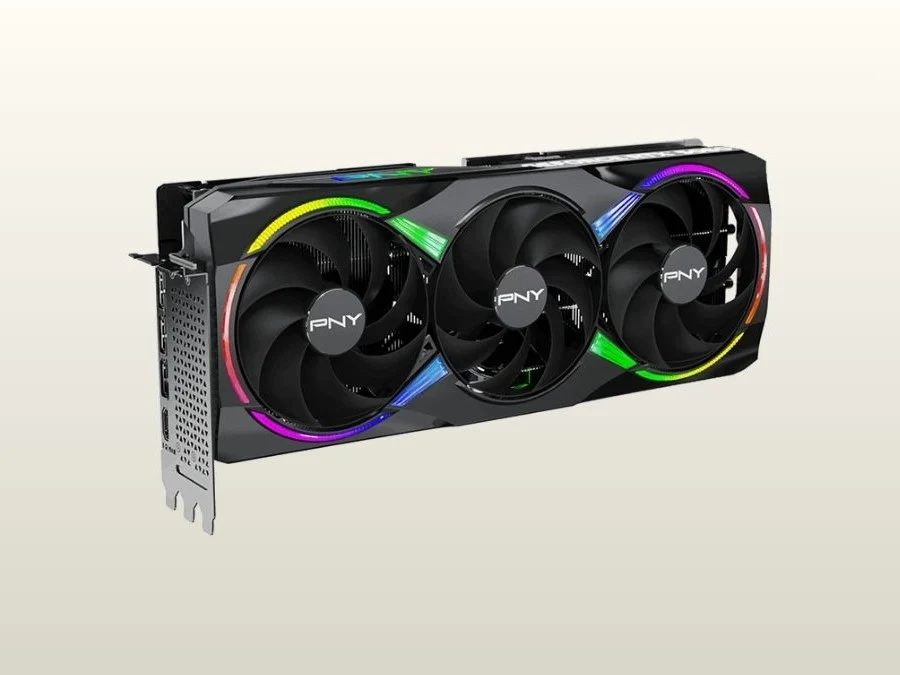
1. A gamer received a brick instead of the RTX 5080 GPU they ordered from the official PNY store on Amazon.
2. The incident raises concerns about potential supply chain fraud, as the package passed weight inspections.
3. Similar scams have been reported, including customers receiving pasta, rice, and blocks of metal instead of GPUs.
4. The customer has requested a refund and hopes to receive the correct GPU soon.
5. This situation highlights the risks of online shopping, even from trustworthy sources.
Many PC fans often spend a long time waiting to upgrade their graphics processing unit (GPU). However, what was meant to be a thrilling moment for one gamer turned into a letdown, as they received a brick in stead of a new GPU.
A Shocking Discovery
On Reddit, a user by the name of GlassHistorical5503 shared their experience in the PC Master Race community, posting a photo of the RTX 5080 box they had ordered. To their surprise, when they opened it, they found a brick snugly packed in the anti-static bag that is typically used for graphics cards. Instead of receiving one of the top GPUs available, this Reddit user ended up with a piece of construction material.
A Trustworthy Source
What makes this situation alarming is that the GPU was bought directly from the official PNY store on Amazon, meaning there was no sketchy third-party seller involved. This raises concerns that someone in the supply chain may have swapped the actual GPU with the brick before it got to the customer.
For reference, a typical brick weighs between two and three kilograms, which is about the same as a premium GPU like the RTX 5080 (including its packaging). In essence, the scammer made sure the package would pass automated shipping inspections, since the weight was quite similar.
A Pattern of Fraud
This isn’t an isolated incident—if we accept what Reddit users have reported. There was an earlier case where a Redditor in the Netherlands ordered an RTX 5090 from Amazon, only to find pasta and rice in the box instead of a GPU. In yet another surprising scenario, a Newegg customer who paid for an RTX 4090 received blocks of metal instead.
Regardless, the customer has already requested a refund through Amazon, and we hope they soon receive a proper RTX 5080 to replace the one that was never delivered.
Source:
Link